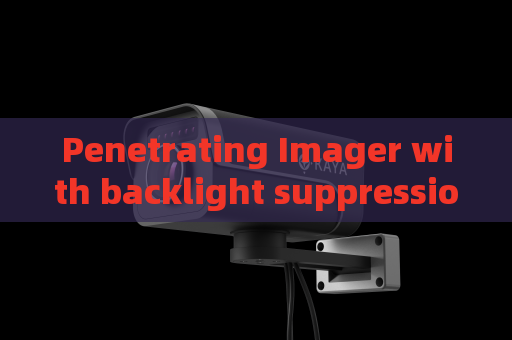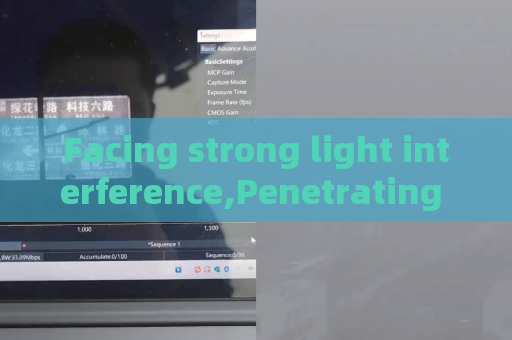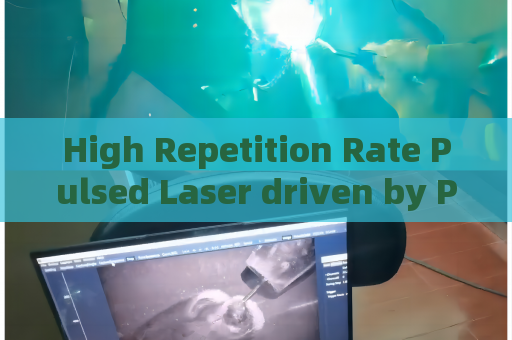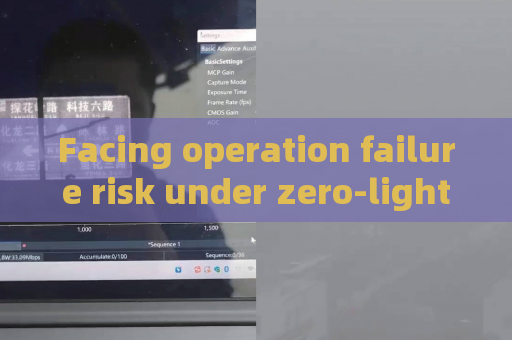
Facing operation failure risk under zero-light environment, Penetrating Imager adopts Zero-light Imaging to guarantee all-weather police duty At night, a high-risk traffic stop or checkpoint can fail before physical contact begins. The vehicle cabin behind tinted or rain-covered glass becomes a blind zone. Officers cannot confirm how many occupants are inside, where hands are positioned, or whether movement suggests a threat. White-light flashlights expose the police position, change the tactical balance, and often worsen vision by reflecting from glass. Headlights, roadside lamps, and emergency lights create glare and strong backscatter. Rain, fog, haze, and snow reduce contrast and blur the limited view that remains. In an environment with no useful ambient light, direct visual inspection through automotive glass is unreliable. The result is delayed decision-making, unsafe approach angles, and elevated operation failure risk. The Penetrating Imager is relevant to this specific police duty because the scenario demands optical confirmation through glass before officers commit to contact, not after the threat has already closed the distance. The applicable function is Zero-light Imaging, implemented through laser range-gated imaging, also called gated imaging. This active optical instrument combines a high-repetition-rate pulsed laser, an image-intensified gated camera with an MCP image intensifier, high-voltage module, timing module, beam expander, and imaging lens. Short light pulses leave the laser and pass through optical media such as vehicle windows. The gated camera opens for a brief, synchronized window that accepts only returning light from a selected distance. Light reflected from nearer surfaces, including raindrops, fog particles, haze, snow, and glass reflections, is largely rejected before it can degrade the image. The method produces high-contrast imaging with long operating distance, high resolution, strong anti-interference performance, and effective backscatter suppression. It is limited to optical media and is not designed for opaque solids. In the police vehicle-stop scenario, this function supports through-window tactical observation in zero-light conditions while the observer remains at a safer distance. In operation, the device can be mounted on a patrol vehicle, checkpoint frame, or tripod and aimed at the target vehicle glass. The range gate is adjusted to match the depth of the cabin behind the window. Laser pulses pass through the glass, illuminate the interior, and the gated camera captures the returning light. No visible flashlight or continuous illumination is required, so the observation remains covert from the perspective of the vehicle occupants. The resulting image can reveal seated positions, body outlines, hand movement, and general object shapes behind tinted or reflective windows. Strong light from headlights or emergency beacons is suppressed because the gate accepts only selected return light. Rain, fog, haze, and snow remain optical media that can be managed by the same timing and backscatter rejection, allowing all-weather police duty to continue when unaided vision fails. The check is optical and through-glass only. It does not replace tactical procedures, physical search, or officer judgment. It supplies a visual confirmation point that helps a team decide whether to approach, hold cover, or change positioning. During a felony stop, this visual confirmation can be maintained from behind cover while the vehicle remains contained and occupants are directed by verbal commands. The practical value in this single scenario is time and distance. At a zero-light checkpoint, a team can confirm interior occupancy and movement before opening a vehicle door or stepping into the fatal funnel. Decisions about approach, containment, or verbal control can be made with better visual information. The same capability supports continuous watch during rain, fog, haze, or snow, when ordinary cameras and eyes lose contrast. Limits must remain clear: the method addresses optical media such as automotive glass, not metal, opaque panels, or other solid barriers. It does not detect through dense smoke, and it is not a substitute for standard tactical clearing. Within those limits, the Penetrating Imager reduces the blind-approach problem by turning an unreadable vehicle cabin into a timed, high-contrast optical image. Continuous police operations gain a reliable optical check before contact, and zero-light conditions no longer force a choice between exposure and blindness.