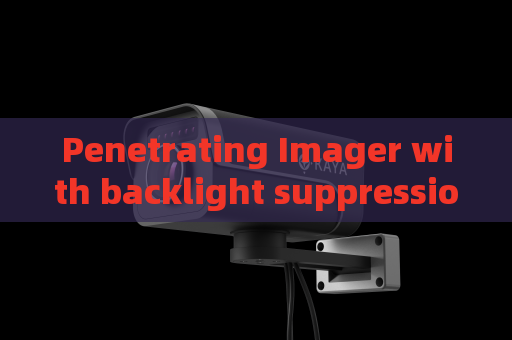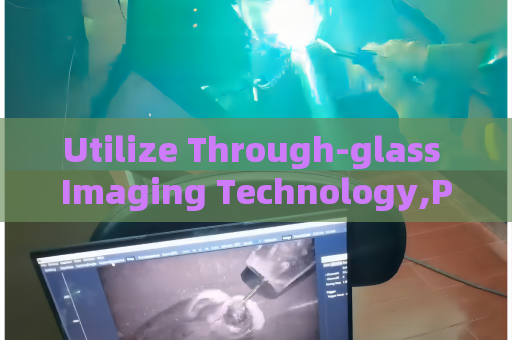
Utilize Through-glass Imaging Technology, Penetrating Imager supports vehicle hidden danger inspection to observe internal status Vehicles stopped at checkpoints, crash scenes, or abandoned lots often present an immediate need to assess the cabin without opening doors. Tinted windows, rain film, road grime, reflections from streetlights, and headlamp glare turn automotive glazing into a visual barrier. A flashlight beam bounces off the surface, creating a mirror effect that hides occupants, posture, smoke, unattended containers, or signs of medical distress. At crash scenes, a silent engine compartment may hide a trapped passenger; at abandoned vehicle reports, the cabin may contain a person in crisis or a hazard that cannot be seen from a distance. Officers must decide whether to approach, force entry, request medical aid, or withdraw. Each decision carries time pressure and safety risk. Conventional visual inspection from outside the glass can miss critical details. The Penetrating Imager addresses this exact pain point by supporting vehicle hidden danger inspection to observe internal status while personnel remain at a protected distance. The relevant capability is see-through vehicle glass imaging based on laser range-gated imaging, also known as gated imaging technology. The Penetrating Imager is an active optical system. A high-repetition-rate pulsed laser emits short light pulses. A beam expander shapes the illumination toward the vehicle window. An image-intensified gated camera, containing an MCP image intensifier, high-voltage module, and timing module, opens its gate for a very brief interval synchronized with returning light from inside the cabin. Surface reflections from the outer glass layer and atmospheric backscatter arrive outside the selected gate and are rejected. The short gate also rejects ghosting and flare that would otherwise obscure the cabin. The result is a high-contrast image of the internal status visible through the optical medium of the vehicle window. The same gated architecture provides long operating distance, high resolution, strong anti-interference performance, and effective backscatter suppression. It can work through optical media such as vehicle glass, and it can also maintain useful imagery in fog, haze, rain, snow, and fire conditions when those media affect the line of sight. The system does not look through opaque body panels; an optical path through glazing is required. Dense smoke remains a hard limit because the optical path cannot be recovered. Operationally, a checkpoint or traffic stop can place the Penetrating Imager on a tripod, vehicle mount, or handheld platform. The operator selects the window with the clearest optical path, aims at the cabin area, and views a real-time image. The system does not require the door to be opened, the window to be lowered, or the vehicle to be entered. Tint, low light, and glare from emergency lights can be managed through the gated exposure and active illumination. Gate delay and gain can be adjusted to match window thickness, tint level, and ambient light. A stable mount reduces motion blur. Images can be recorded for briefing or review, subject to policy. Officers can observe whether a driver is slumped over, whether passengers are restrained, whether a child is present, whether visible smoke or loose objects indicate fire risk, or whether movement suggests a hidden hazard. The image supports a tactical decision: approach normally, issue verbal commands, request fire and rescue, or hold position for additional resources. This use is especially valuable at night, in rain, and during high-risk stops where opening a door could expose personnel to an unknown threat. In roadside and emergency operations, Penetrating Imager supports vehicle hidden danger inspection to observe internal status without converting a routine check into an immediate entry. Through-glass imaging technology allows the optical path through automotive glazing to carry laser light into the cabin and returning light back to the gated camera. Strong reflections, low light, fog, rain, and glare are suppressed by the timing and intensification process. The resulting image gives responders a clearer view of occupants, visible hazards, and changing conditions. The workflow keeps the vehicle intact, preserves evidence, and reduces unnecessary door openings. It supports triage when multiple vehicles wait for inspection. If the glass is covered by an opaque material or the cabin is filled with dense smoke, the optical path is blocked and the system will not produce a meaningful internal view. Within its defined optical limits, the capability improves safety, preserves distance, and helps officers identify hidden dangers before committing to physical contact. Penetrating Imager supports vehicle hidden danger inspection to observe internal status as a focused optical inspection tool for glass-protected vehicle cabins.