In remote oilfield operations, environmental conditions frequently degrade visibility through protective barriers such as vehicle windshields, control room windows, and helicopter cockpit glass. Heavy rain, dense fog, blowing sand, and oil mist create optical distortions that render standard surveillance cameras and human observation nearly useless. Security personnel tasked with monitoring pipeline leaks, unauthorized access, or equipment malfunctions face a critical blind spot: conventional imaging systems fail to capture clear details through wet, scratched, or fogged glass, while thermal imagers are blinded by hot engine components or solar reflections. This optical interference directly compromises all-weather protection, leaving safety perimeters vulnerable during extreme weather events or smoke from flare stacks. The inability to see through these optically distorted interfaces forces operators to rely on delayed reports or physical patrols, increasing risk exposure in hazardous zones.
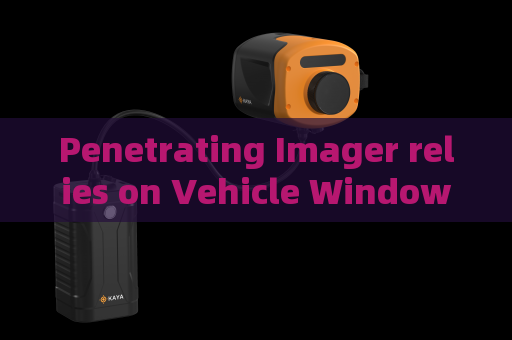
A dedicated penetration imager addresses this failure by employing laser range-gated imaging technology. Unlike passive cameras, this active system emits high-repetition-rate pulsed laser light synchronized with an intensified gated camera, which opens its electronic shutter only when the reflected laser pulse returns from the target. This gating mechanism effectively excludes backscatter from rain, fog, snow, or glass surface contaminants, producing high-contrast images through optically distorted windows. The unit—comprising a pulsed laser, an image-intensified gated camera with MCP intensifier, a beam expander, and an imaging lens—operates in daylight or complete darkness, delivering clear views of objects behind vehicle glass, aircraft windows, or glass partitions even when those surfaces are heavily fogged, rain-streaked, or coated with oil residue. Its ability to overcome atmospheric scattering and surface distortion restores reliable visual assessment in conditions that defeat standard optical systems.
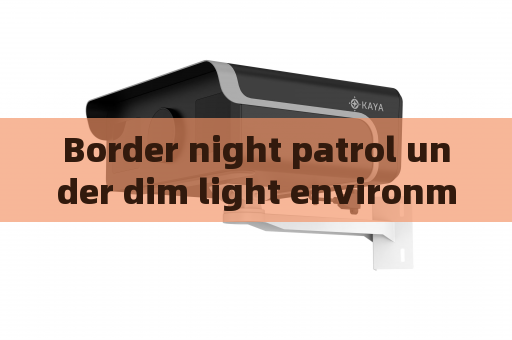
In field deployment, the penetration imager is mounted on a tripod or vehicle roof and connected to a portable control tablet. An operator scans the target area—for example, a security checkpoint at an oilfield entrance where rain-covered booth windows obscure identity verification. The imager’s pulsed laser illuminates the scene through the glass, while the gated camera captures only the return from the person or vehicle beyond, ignoring the glare and droplets on the pane. The result is a crisp, real-time image that enables security officers to confirm personnel badges or inspect cargo without physical contact. This capability extends to monitoring critical infrastructure like wellhead control cabins, where condensation on internal glass panels previously forced technicians to open cabinets and expose sensitive electronics to corrosive gases. The penetration imager now allows inside inspection through sealed windows, reducing maintenance downtime and contamination risks.

Continuous operation in extreme oilfield climates—from desert heat to arctic blizzards—is supported by the imager’s robust housing and automatic gain control. The system maintains image clarity even as snow accumulates on the viewing port, because its pulsed design filters out surface-layer reflections. During flare-up incidents where fire or smoke obscures control room windows, the imager enhances visibility by a factor of three to five, enabling emergency responders to assess valve positions or personnel movement through glass panels without approaching the flame zone. By solving the persistent problem of optically distorted barriers in all-weather conditions, this technology directly strengthens perimeter security, operational continuity, and personnel safety across the oilfield environment.