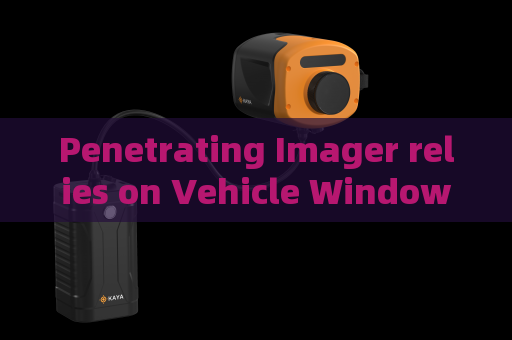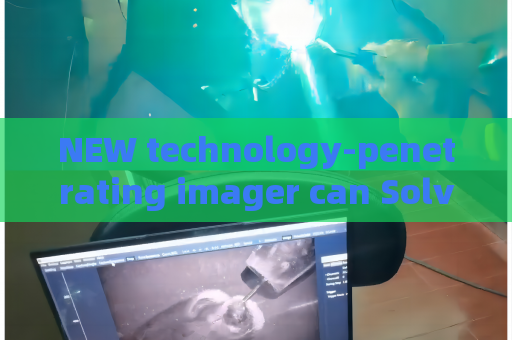
NEW technology-penetrating imager can Solve Evidence Collection Gaps for Law Enforcement Prior to Tactical Operations In the hours or minutes before a high-stakes tactical operation—such as a hostage rescue, narcotics raid, or armed barricade—law enforcement teams face a critical blind spot. Standard optical devices, from binoculars to zoom cameras, struggle to gather reliable evidence through the very barriers that suspects use to shield their activities. Vehicle windshields, tinted commercial glass, and building windows reflect ambient light, scatter images, and obscure interior details. Poor weather conditions—fog, rain, heavy snowfall, or even dense dust—further degrade visibility. Officers attempting to confirm the presence of weapons, contraband, or hostage locations must often rely on incomplete intelligence or forced breaches that escalate risk. This evidence collection gap leaves tactical commanders without the clear, actionable imagery needed to plan safe entries and minimize casualties. The penetrating imager directly addresses this deficiency through its core technology: laser range-gated imaging. Unlike conventional cameras that capture all reflected light simultaneously, this active imaging system emits a high-repetition-rate pulsed laser and synchronizes an intensified gated camera to open only when the laser pulse returns from a specific distance. This process effectively eliminates backscatter from fog, rain, or smoke between the imager and the target, while also rejecting glare and reflections from glass surfaces. The system’s intensified charge-coupled device, coupled with a microchannel plate image intensifier, delivers high-contrast, high-resolution images even through typical optical media such as automobile windows, aircraft portholes, glass curtain walls, and train cabin glazing. For law enforcement, this means that the penetrating imager can “see” inside a suspect vehicle or through a building’s exterior glass well before any tactical breach occurs. In practical deployment, the penetrating imager operates as a standoff observation tool. Officers position the device on a stable tripod or vehicle mount at a safe distance—often 50 to 200 meters away—and aim it at the target window or glass surface. The laser illuminates the area, and the gated camera captures only the light reflected from objects behind the glass, ignoring the reflective front surface. The result is a crisp, real-time image of the interior space, revealing occupant positions, weapons, evidence containers, or even improvised explosive devices. This capability allows tactical teams to make precise decisions: whether to initiate a dynamic entry, negotiate, or adjust approach angles. The system’s resistance to fog and rain ensures that operations can proceed under conditions that would ground other optical platforms. Field tests have demonstrated that the penetrating imager enhances interior visibility through automotive glass by a factor of three to five compared to standard cameras, even in heavy mist or light rain. For tactical teams, this evidence-grade imagery is admissible in court when collected prior to a warrant service, strengthening the legal chain of custody. The device does not rely on non-optical methods—there is no penetration of walls, concrete, metal, or clothing—so its use remains strictly within the optical domain. By closing the evidence collection gap before doors are kicked down, the penetrating imager transforms a law enforcement team’s ability to see the unseen, reducing uncertainty and preserving lives on both sides of the glass.