During high‑speed pursuits, law enforcement officers face a critical blind spot: the inability to see inside a fleeing vehicle. Windows glint with sunlight, aftermarket tints obscure visibility, and dirt or rain further degrade the view. Even at close range, the dynamic motion of a speeding car and the reflections from its glass surfaces make it nearly impossible to determine how many people are inside or whether the trunk holds suspicious cargo. This lack of real‑time intelligence forces officers to rely on assumptions, often escalating risks during stops or allowing suspects to abandon contraband unnoticed. The core challenge is not merely seeing through glass, but doing so from a safe stand‑off distance without relying on contact or invasive methods.
A penetrating imager, built around laser range‑gated imaging technology, directly addresses this operational gap. Unlike conventional cameras that struggle with glare and backscatter, the device emits high‑repetition‑rate laser pulses and synchronizes a gated intensified camera to capture only the light reflected from the target at a precise distance. This technique effectively eliminates the blinding effect of glass reflections and atmospheric scatter, producing a high‑contrast image of the vehicle’s interior through its windows. The penetrating imager is specifically designed to see through optical media—windshields, side windows, and even aircraft or train windows—while remaining impervious to fog, rain, snow, or smoke interference. It does not rely on radio waves, X‑rays, or any non‑optical principle, staying strictly within the domain of light amplification and gating.
In practical law enforcement operations, this capability transforms remote detection tactics. A pursuing unit can deploy the penetrating imager from a patrol vehicle or a stationary observation point several hundred meters away, acquiring a clear, real‑time view of occupants’ positions, movements, and any visible cargo inside the fleeing car. The system’s ability to overcome backscatter means that even under heavy rain or with a heavily tinted windshield, the image remains usable for decision‑making. Officers can confirm the number of individuals, identify potential weapons, or spot hidden containers in the rear seat area without ever closing the distance. This reduces the need for high‑risk pit maneuvers or box‑in techniques, as intelligence gathered remotely informs whether to give chase, call for backup, or establish a perimeter.
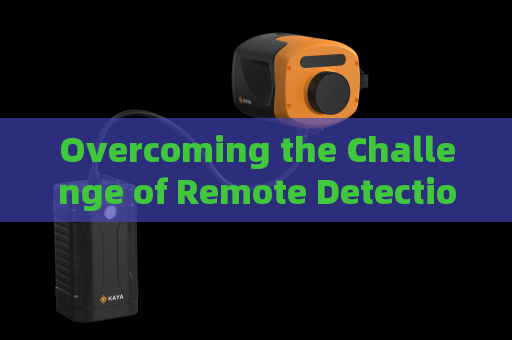
Operating the penetrating imager during a pursuit requires minimal training: the unit mounts on a stable tripod or vehicle platform, and the operator simply aims at the fleeing vehicle through a sighting scope while setting the gate delay to match the measured range. The imager’s pulsed laser automatically compensates for target motion, and the resulting video feed is displayed on a ruggedized monitor inside the command vehicle. Because the device is entirely optical and passive aside from the laser source, it presents no electronic interference with other vehicle systems and does not alert the suspects. This remote detection capability, anchored by the penetrating imager, gives patrol teams the information edge they need to resolve fleeing‑vehicle incidents safely and legally—transforming a traditionally reactive chase into an intelligence‑guided operation.




