Penetration Imaging Systems: Revolutionizing Port and Border Security with Unprecedented Through-Barrier Detection** In an era defined by globalized trade, heightened security threats, and the relentless movement of people and goods, safeguarding ports of entry and national borders presents a formidable and complex challenge. Traditional inspection methods for incoming vehicles and personnel often grapple with limitations in low-visibility conditions, the opacity of barriers, and the need for rapid, non-intrusive screening. Here, advanced penetration imaging systems emerge as a transformative force, playing a critical and multifaceted role in enhancing security, efficiency, and operational capability at these vital checkpoints.
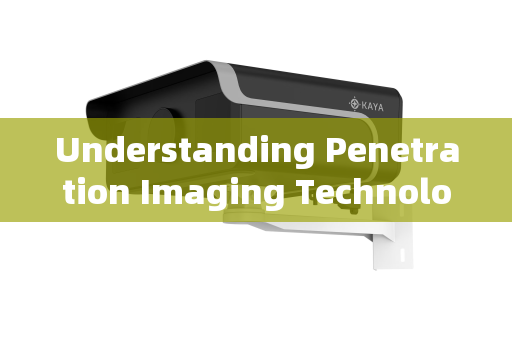
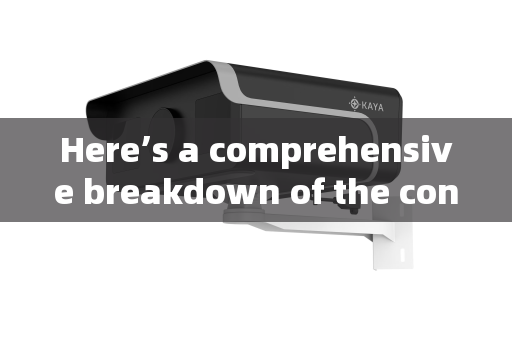
Penetration Imager Effect Images
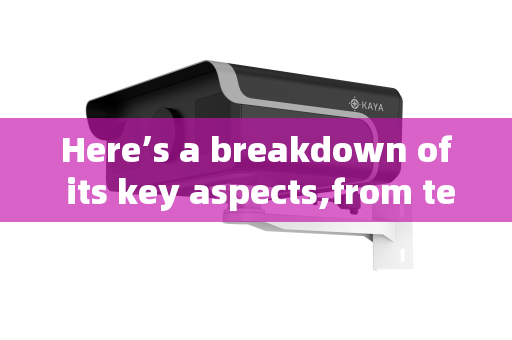
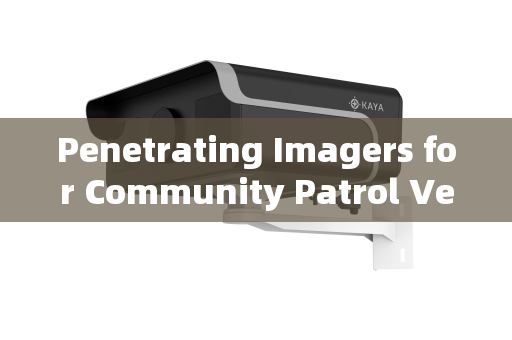
A penetration imaging system is not a conventional camera. It is a sophisticated active imaging platform that fundamentally changes how security forces "see" through obstacles. At its core, it employs Laser Range-Gated Imaging (LRG) or gated imaging technology. This innovative system synergizes a high-repetition-rate pulsed laser with a gated intensifier camera. The process involves emitting ultra-short (nanosecond) laser pulses toward a target scene. The camera's intensifier, synchronized with pinpoint temporal accuracy (often better than 10 picoseconds), acts as an ultra-fast optical shutter. It opens only for a precise, delayed window corresponding to the time it takes for light to travel to a specific "slice" of space and back. By progressively scanning through these time-delayed slices, the system constructs a high-contrast, detailed image of objects hidden behind or within obscuring media.
This methodology grants the system exceptional capabilities: long-range imaging, high range resolution, superior resistance to backscatter, and powerful anti-interference properties. It can effectively "see" through various transparent and semi-transparent barriers—such as vehicle windows (including tinted ones), glass facades, train windows, and aircraft portholes—even in total darkness, fog, smoke, rain, snow, or haze. The core components typically include a pulsed laser, a gated/intensified camera (featuring a Microchannel Plate - MCP - for gains exceeding 10^6), beam expanders, and imaging lenses.
Pivotal Role in Port and Border Inspections

Penetration Imager Effect Images
Enhanced Vehicle and Cargo Screening: At busy ports and border crossings, the primary role of penetration imaging is to conduct non-intrusive, rapid inspection of incoming vehicles—from personal cars to shipping containers on trucks. Traditional X-ray or gamma-ray systems are powerful but may have limitations with certain materials or raise safety concerns with personnel. Penetration imaging complements these by providing a covert, optical alternative.
- Concealed Compartments & Contraband: It can detect anomalies behind interior paneling, within door frames, or in false compartments, revealing hidden stowaways, weapons, drugs, or other illicit goods without physical dismantling.
- Cab Inspection: The system can scan a vehicle's cabin through windows to identify potential threats, verify driver identity against records, or check for unauthorized passengers in real-time, all while the vehicle may be in motion or at a slow roll.
- Under-Vehicle & Chassis Scan: In degraded visual conditions (night, fog), it can provide clear imaging of a vehicle's undercarriage for explosives, tracking devices, or tampering.
Personnel Screening and Covert Surveillance: While respecting privacy regulations, these systems offer unique advantages in perimeter security and specific threat scenarios.
- Through-Barrier Observation: From a safe standoff distance, security personnel can monitor activity inside buildings, holding areas, or other structures with windows, aiding in situational awareness and covert surveillance during high-risk interdiction or anti-terrorism operations.
- Search and Rescue Support: In the event of an incident within a port facility (e.g., a fire in a terminal, a person overboard), the system's ability to see through smoke, fog, or water surface glare is invaluable for search and rescue (SAR) operations, helping locate individuals quickly.
All-Weather, 24/7 Operational Readiness: Ports and borders operate continuously. Penetration imaging systems are force multipliers in low-light and adverse weather conditions.
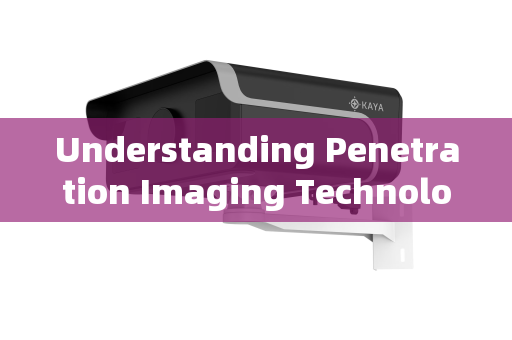
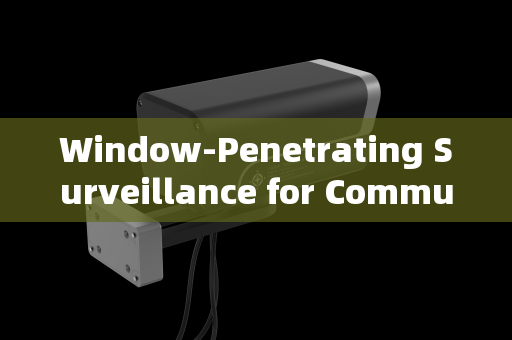
Penetration Imager Effect Images
- Maritime & Coastal Security: For coastal borders and port approaches, these systems enable long-range, through-fog imaging and glare suppression against water surfaces. This allows for the positive identification of vessels, monitoring of suspicious activities near critical infrastructure, and ensuring safe navigation during inclement weather, directly supporting maritime domain awareness and anti-smuggling operations.
- Perimeter and Area Surveillance: They extend the effective range of surveillance in darkness or obscurants, allowing fewer personnel to monitor larger areas of a border zone or port facility effectively.
Integration with Broader Security Missions
The utility of this technology extends seamlessly into related emergency response and law enforcement/military functions common in port and border environments:
- Emergency Response: Ports house hazardous materials and complex infrastructure. In a fire or HAZMAT incident, penetration imaging aids urban/industrial firefighting and technical rescue by allowing crews to see through flames and smoke to locate victims or assess structural integrity.
- Law Enforcement & Counter-Terrorism: The system supports counter-terrorism units, tactical teams, and customs & border patrol in scenarios involving armed suspects in vehicles or buildings, evidence collection through windows, or covert reconnaissance of smuggling operations.
Conclusion
The penetration imaging system is far more than a simple camera; it is a pivotal sensory extension for security forces at ports and borders. By mastering the physics of light and time, it strips away the advantages that darkness, weather, and man-made barriers once offered to illicit actors. Its role is fundamentally one of threat mitigation, operational persistence, and enhanced situational awareness. By enabling reliable through-barrier detection in virtually any environmental condition, it dramatically reduces blind spots, accelerates the flow of legitimate trade and travel, and creates a formidable, invisible layer of security. As global threats evolve, the adoption and integration of such proactive, cutting-edge imaging solutions will be indispensable for maintaining secure and resilient frontiers.