In the complex and high-stakes landscape of modern urban security, the ability to gain clear, actionable intelligence at checkpoints is paramount. Traditional surveillance and inspection methods often falter in low-visibility conditions, against obscured targets, or when faced with deliberate concealment. This is where advanced Penetration Imaging Systems (PIS) are emerging as a transformative force, fundamentally reshaping the capabilities of security personnel during urban checkpoint reconnaissance and operations.
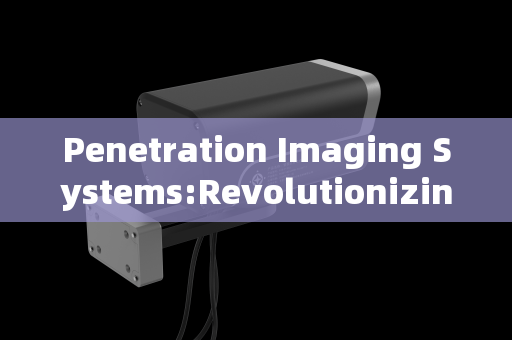
Penetration Imager Effect Images
Understanding Penetration Imaging Technology
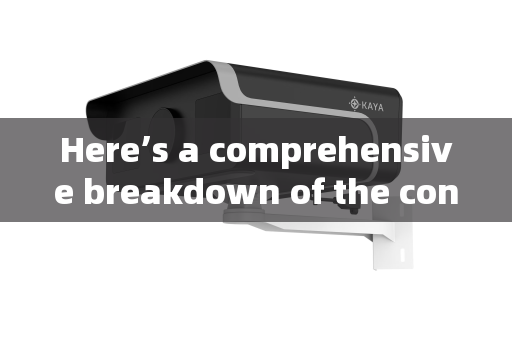
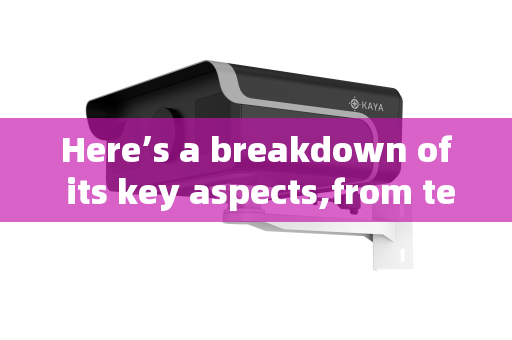
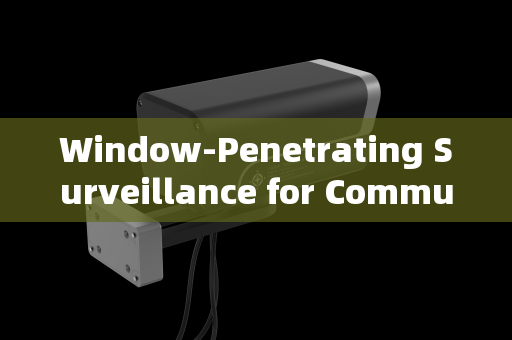
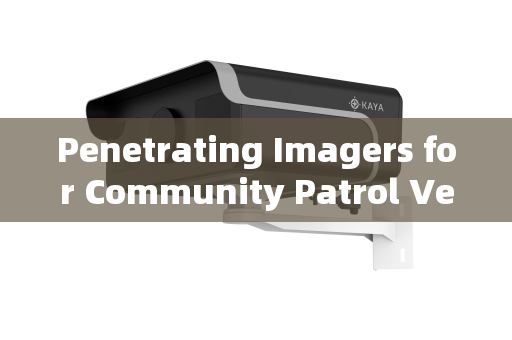
At its core, a Penetration Imaging System is a sophisticated electro-optical device designed to "see through" visual obstructions that render conventional cameras and the naked eye ineffective. It leverages cutting-edge Laser Range-Gated Imaging (LRG) or Gated Imaging technology. The system innovatively combines a high-repetition-rate pulsed laser with a gated intensifier camera. By achieving precise nanosecond-level synchronization between the laser pulse and the camera's ultrashort electronic shutter (gate), the system can selectively image only a specific "slice" of space at a predetermined distance. By sequentially stacking these time-sliced images, it constructs a clear composite view.
This method provides exceptional advantages: long imaging range, high distance resolution, superior resistance to back-scatter from obscurants, and robust performance against active interference. Crucially, it enables non-invasive detection through various transparent and semi-transparent barriers such as vehicle windows, glass facades, speciality glass (e.g., in high-speed trains or aircraft), and multiple environmental media including smoke, fog, haze, rain, snow, and even flames. Its capability extends to underwater imaging, showcasing remarkable versatility.
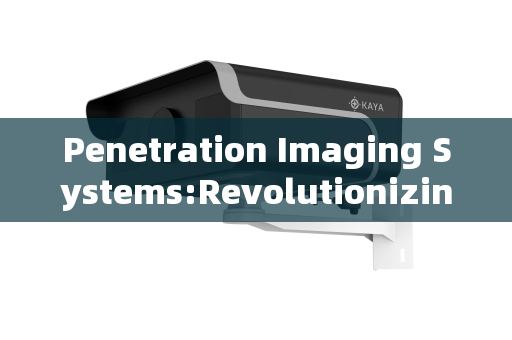
Penetration Imager Effect Images
Key components include a pulsed laser, a gated/intensified camera (often incorporating a Microchannel Plate - MCP - image intensifier), beam expanders, and imaging lenses. The camera's internal MCP, high-voltage modules, and timing circuitry enable extreme optical gain (exceeding 10^6), ultra-fast gating (below 3ns), and superb temporal synchronization precision (better than 10ps), allowing for high-accuracy 3D information acquisition of targeted subjects.
The Critical Role in Urban Checkpoint Reconnaissance
Urban checkpoints—whether for vehicular checkpoints, perimeter security of critical infrastructure, or during tactical urban operations—present a unique set of challenges: dense infrastructure, varied lighting, numerous potential concealment methods, and the constant pressure of rapid threat assessment. The PIS directly addresses these challenges in several key ways:
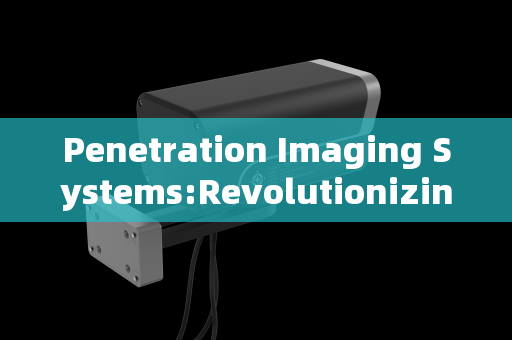
Penetration Imager Effect Images
- Covert Reconnaissance and Threat Identification: Security forces can conduct stand-off, non-intrusive surveillance of vehicle interiors, building rooms through windows, or other enclosed spaces from a safe distance. This allows for the detection of concealed persons (e.g., in trunk compartments), weapons, suspicious packages, or illicit materials without alerting the subjects, thereby preserving the tactical advantage and enabling preemptive planning.
- Overcoming Environmental Adversity: Checkpoint operations cannot be halted due to poor weather. The PIS's ability to penetrate fog, rain, and haze ensures continuous reconnaissance capability during night operations or in adverse conditions, maintaining a 24/7 security posture.
- Enhanced Situational Awareness for Crisis Response: In barricaded suspect scenarios, hostage situations, or active shooter events, first responders and tactical teams can use PIS to "see through" smoke from fires or deployed obscurants, and past windows, to locate threats, victims, and assess interior layouts before entry, dramatically improving operational safety and effectiveness.
- Counter-Surveillance and Counter-Sniper Operations: The system can be used to scan windows in high-rise buildings around a protected site or convoy route, identifying potential concealed observers or sniper positions behind tinted or reflective glass—a common tactic in urban environments.
Broader Application Ecosystem Reinforcing Urban Security
The utility of PIS in checkpoint reconnaissance is amplified by its proven performance in related domains:
- Emergency & Rescue Services: In urban firefighting, it helps locate victims through smoke and flames. In complex collapse rescue operations, it can peer through dust and debris. This same capability is vital for checkpoint scenarios following explosions or attacks.
- Law Enforcement & Military Operations: Beyond checkpoints, it supports counter-terrorism operations, evidence collection, anti-smuggling checks, and military urban warfare, providing a common technology base for inter-agency cooperation.
- Coastal & Border Security: Its long-range, all-weather imaging supports port security and border checkpoint monitoring, ensuring a layered defense approach that feeds into urban perimeter security.
- Smart City Integration: As part of Smart Safe City and Intelligent Policing initiatives, fixed or mobile PIS units can be integrated into networked surveillance architectures at key city entry points or around critical assets, providing automated or operator-driven threat detection layers.
Conclusion
The Penetration Imaging System is far more than a simple camera; it is a force multiplier for urban security forces. By granting the unique ability to conduct reconnaissance "through the unseen," it addresses critical gaps in checkpoint and urban operational security. Its capacity to operate in darkness, through weather, and—most importantly—behind concealing barriers like glass and smoke, provides an unprecedented level of situational awareness and pre-engagement intelligence. As urban threats evolve in complexity, technologies like PIS will become indispensable tools for law enforcement, military units, and security agencies tasked with protecting the urban domain, ensuring checkpoints remain a robust and intelligent filter against threats, rather than a vulnerable chokepoint. Its role is not just supportive but increasingly central to proactive, intelligence-led urban security paradigms.