In the ever-evolving landscape of security, checkpoint control at parks, encompassing everything from vast national reserves to urban recreational areas, represents a unique challenge. The imperative to ensure public safety, protect assets, and prevent illicit activities must be balanced against the need for efficient throughput and minimal invasiveness. Traditional surveillance and inspection methods often fall short in complex environments or against concealed threats. Enter the penetration imaging system—a technological paradigm shift that is redefining the capabilities of security personnel at these critical control points.
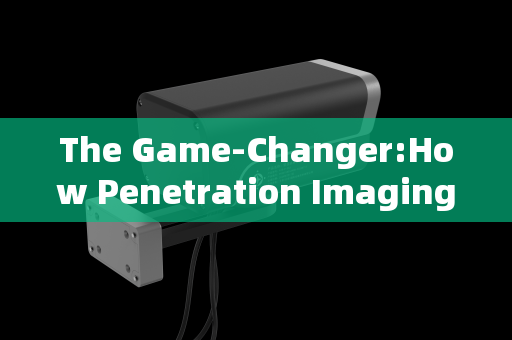
Penetration Imager Effect Images
Understanding the Technological Leap: Beyond Visible Light
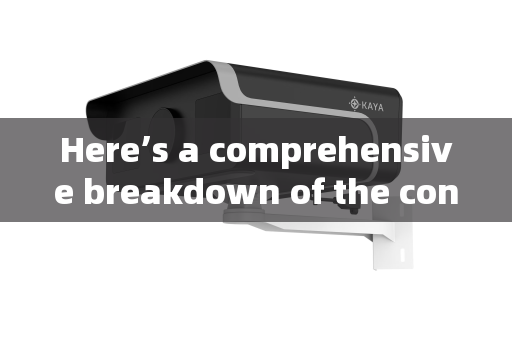
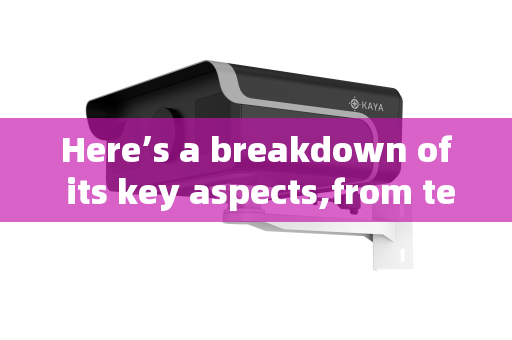
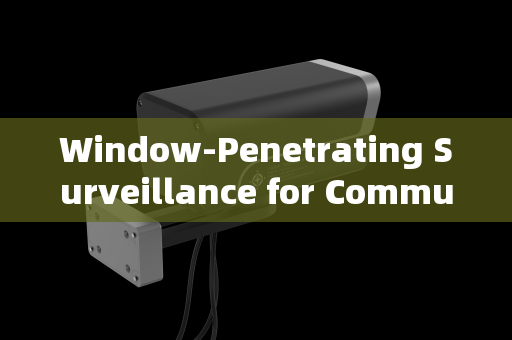
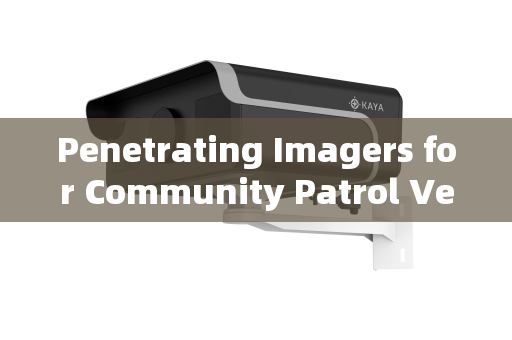
At its core, a penetration imaging system is not merely a camera; it is an advanced active imaging platform. It leverages Laser Range-Gated Imaging (LRG) technology, a sophisticated method that combines a high-repetition-rate pulsed laser with a gated, intensified camera. The system operates by emitting ultra-short, nanosecond laser pulses. A highly synchronized gated camera acts as an ultrafast optical shutter, opening only for a precise, delayed moment to capture the light reflected from a specific "slice" of space. By systematically scanning through these time-delayed slices, the system constructs a high-contrast image of the target area.
This method confers several decisive advantages crucial for security:
- Penetration Capability: It can "see through" various obscurants and interfaces that baffle conventional optics. This includes non-invasively penetrating vehicle windows (car glass, tinted windows, specialized train or aircraft panes), glass facades, and even visual barriers like smoke, fog, haze, light rain, and snow.
- Extended Range & High Resolution: It operates effectively in extreme low-light or total darkness at distances far beyond standard night vision, providing clear imagery for early threat assessment.
- Anti-Interference & Clutter Rejection: By precisely gating the return signal, it effectively suppresses backscatter from particles in the air (like fog or smoke) and overwhelming ambient light (e.g., headlights), which typically drown out targets in conventional imaging.
The Hardware Core: Precision Engineering for Demanding Missions
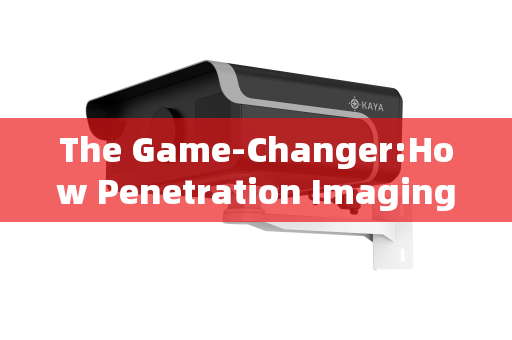
Penetration Imager Effect Images
The system's prowess stems from its key components: a pulsed laser emitter, beam expander, imaging lens, and crucially, the Gated Intensified Camera. This camera integrates a Microchannel Plate (MCP) image intensifier, delivering optical gain exceeding 10^6. Coupled with high-voltage, timing, and gating modules, it achieves an optical shutter speed faster than 3 nanoseconds and timing synchronization precision better than 10 picoseconds. This allows not just for imaging but for the extraction of high-accuracy three-dimensional data of the scene.
Transformative Role at Park Security Checkpoints
The application of this technology at park entry/exit points and internal security checkpoints is transformative:
-
Vehicle Screening and Occupant Verification: Upon approach or at checkpoints, security teams can discreetly scan vehicles. The system can penetrate windshields, side windows, and rear glass to verify the number of occupants, identify suspicious behavior, or detect potential threats (weapons, unauthorized persons in cargo areas) without requiring the occupant to roll down windows or exit the vehicle. This enables non-contact, non-invasive inspection, enhancing both security and procedural efficiency.
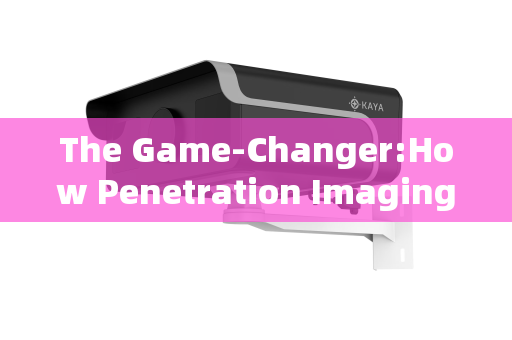
Penetration Imager Effect Images
-
Counter-Concealment and Threat Detection: It addresses the critical gap in detecting items concealed behind glass or within light obscurants. Whether it's contraband hidden in a vehicle's dashboard, weapons obscured by tinted windows, or suspicious packages within a stationary vehicle, the penetration system provides a clear visual advantage. This is vital for counter-terrorism, anti-smuggling (narco-trafficking, wildlife products), and general contraband interception efforts.
-
All-Weather, All-Light Condition Operations: Parks are subject to diverse and often harsh environmental conditions—nighttime, fog, mist, or smoke from controlled burns. Traditional CCTV becomes blinded. Penetration imaging systems ensure continuous surveillance and inspection capability regardless of time or weather, guaranteeing uninterrupted security protocol enforcement.
-
Enhanced Situational Awareness for Patrols: For mobile patrol units monitoring vast park areas, vehicle-mounted systems offer the ability to conduct long-range reconnaissance. They can observe distant structures, vehicles, or activities through atmospheric clutter or windows, aiding in investigation, evidence gathering, and covert surveillance operations against illegal poaching, trespassing, or other criminal activities.
-
Critical Incident Response: In the event of a security breach, hostage situation, or armed threat within a park facility, first responders can use the system to gather vital intelligence. It allows for safe stand-off assessment of a vehicle or building interior through windows, identifying hostile positions, number of subjects, or victim status without exposing personnel—directly supporting tactical rescue and law enforcement intervention.
Broader Context: A Multi-Role Security Asset
While pivotal at park checkpoints, the value of penetration imaging extends seamlessly into related domains that often intersect with park security, such as emergency services (search and rescue in smoke-filled or dark areas for park rangers/firefighters) and broad-area homeland security. Its utility in coastal and border patrol for long-range, clutter-penetrating surveillance mirrors its application in monitoring large, remote park perimeters.
In conclusion, the penetration imaging system moves park checkpoint security from a reactive, visibility-dependent model to a proactive, intelligence-driven one. It empowers security forces to detect what was previously undetectable, operate in conditions once deemed prohibitive, and conduct inspections with unprecedented discretion and depth. As parks worldwide face increasingly complex security challenges, integrating such advanced imaging technology is not just an upgrade—it is an essential step towards creating a robust, resilient, and effective security infrastructure for the protection of both people and preserved natural heritage.