Introduction
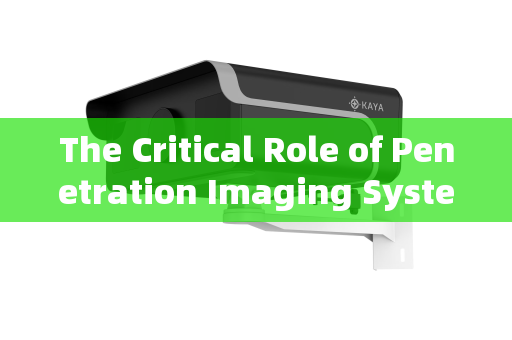
Penetration Imager Effect Images
Security control at bonded zones, where goods are stored, handled, and processed under customs supervision without immediate duty payment, presents a unique and formidable challenge. These areas are critical nodes in global supply chains, making them potential targets for smuggling, trafficking, and other illicit activities. Traditional inspection methods, while essential, often face limitations in non-invasive, rapid, and all-weather threat detection. The emergence of advanced Penetration Imaging Systems, leveraging cutting-edge Laser Range-Gated Imaging (LRG) technology, is revolutionizing security protocols at these sensitive checkpoints. This article explores the pivotal role these systems play in enhancing visibility, efficiency, and effectiveness in bonded zone security.
Understanding Penetration Imaging Technology
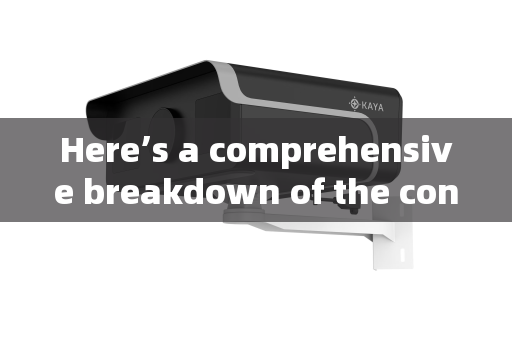
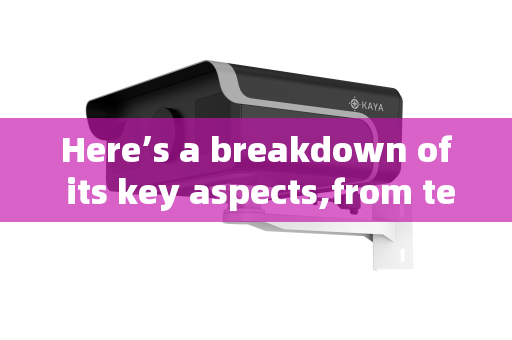
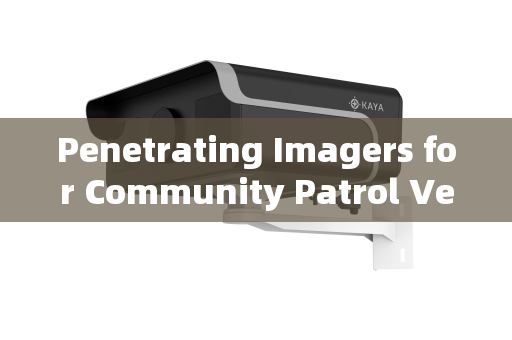
A Penetration Imaging System is a sophisticated electro-optical device designed to acquire clear visual information under extreme conditions where conventional cameras fail. Its core innovation lies in the precise synchronization of a high-repetition-rate pulsed laser and a gated intensifier camera. The system operates by emitting nanosecond laser pulses and controlling the camera’s ultra-fast optical shutter (with gating times below 3ns) to open only for the precise moment when light reflected from a specific "slice" of space returns. By systematically delaying this synchronization, the system performs a "slice-stacking" scan of the scene.
This time-slicing technique is the key to its remarkable capabilities:
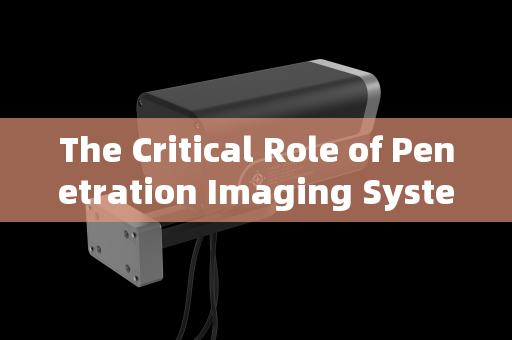
Penetration Imager Effect Images
- Overcoming Backscatter & Medium Penetration: It effectively rejects light scattered by obscurants (smoke, fog, haze, rain, snow, dust) or reflected from intermediate surfaces like glass. This allows it to see through vehicle windows (including tinted ones), train glass, aircraft portholes, and various specialized glass barriers with minimal sensation to occupants.
- Long-Range, High-Contrast Imaging: It provides high-contrast imagery at significant distances, even in complete darkness or very low light, by achieving optical gains exceeding 10^6.
- All-Weather/Day-Night Operation: Its active illumination and gating principle make it largely immune to adverse weather and lighting conditions.
- 3D Data Acquisition: With precision timing synchronization better than 10ps, the system can extract accurate depth information for each pixel, enabling high-precision three-dimensional profiling of targets.
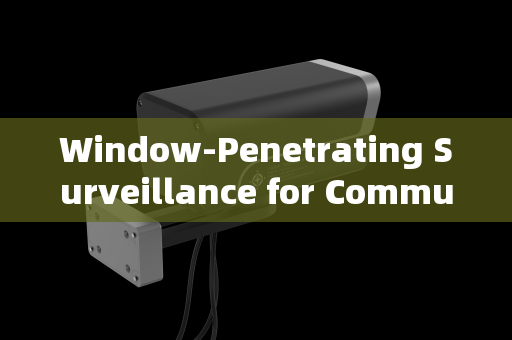
The primary components include a pulsed laser, a beam expander, an imaging lens, and the gated intensifier camera. The camera integrates a Microchannel Plate (MCP) image intensifier, high-voltage modules, and precise timing/gating electronics to achieve its performance.
Application in Bonded Zone Checkpoint Security
At bonded zone checkpoints—encompassing vehicle entry/exit gates, cargo inspection bays, and perimeter surveillance points—penetration imaging systems deliver transformative advantages across several critical operational scenarios:
Non-Intrusive Vehicle and Cargo Inspection:
Penetration Imager Effect Images
- Covert Cabin Inspection: Security personnel can discreetly scan the interiors of trucks, containers on chassis, and personnel vehicles through windscreens and side windows from a safe stand-off distance. This allows for the detection of concealed stowaways, unauthorized personnel, weapons, or contraband without physical search or alarming drivers, facilitating smuggling interdiction and border control.
- Cargo Hold & Container Reconnaissance: While not replacing full X-ray scanning for dense cargo, the system can peer through windows or gaps into cargo holds and the driver cabins of sealed containers, providing an initial rapid assessment for anomalies or human presence.
Enhanced Surveillance and Threat Detection:
- All-Weather Perimeter Security: Mounted on fixed poles or pan-tilt units, these systems maintain clear surveillance over fence lines, storage yards, and dock areas through fog, rain, or haze, ensuring uninterrupted intrusion detection and patrol support.
- Counter-Surveillance and Investigation: They aid in counter-terrorism reconnaissance and law enforcement investigations within the zone by enabling observation through windows of buildings or vehicles suspected of illicit activity, supporting evidence collection.
Support for Emergency Response and Safety:
- Fire and Rescue Scenarios: In the event of a fire or Hazmat incident within the zone, firefighters can use the system to see through smoke and flames to locate personnel, assess structural integrity, and identify hazards from a safe distance, directly enhancing firefighting efficiency and urban search and rescue (USAR) operations.
- Security Breach Response: During an active threat scenario, tactical teams can utilize the system to gather intelligence on suspect locations and movements through visual barriers without direct exposure.
Maritime and Coastal Bonded Area Security:
- For bonded zones adjacent to ports, the system's capability for long-range imaging through fog and glare suppression is invaluable. It supports maritime domain awareness, monitoring vessel approaches, and ensuring security during ship-to-shore operations in poor visibility.
Integration into Broader Security Frameworks
The penetration imaging system does not operate in isolation. It is a force multiplier within a layered Smart Security architecture for Smart Cities and Intelligent Policing. Integrated with radar, thermal cameras, license plate readers, and command/control software, it provides a crucial layer of visual intelligence. Its data can feed into analytics platforms for automated threat detection, enhancing overall proactive security management at bonded zones.
Conclusion
The penetration imaging system, built upon advanced laser gated imaging technology, plays an indispensable and evolving role in modernizing security control at bonded zone checkpoints. By delivering the unique ability to conduct non-invasive, long-range, and all-weather visual reconnaissance through various obscurants and transparent barriers, it directly addresses core vulnerabilities in these high-stakes environments. Its applications in anti-smuggling operations, covert surveillance, counter-terrorism, tactical law enforcement, and emergency response significantly bolster the capabilities of security agencies. As threats evolve and the demand for efficient, non-disruptive trade flows increases, the adoption of such powerful imaging technology will continue to be a cornerstone of robust, intelligent, and effective bonded zone security regimes worldwide.