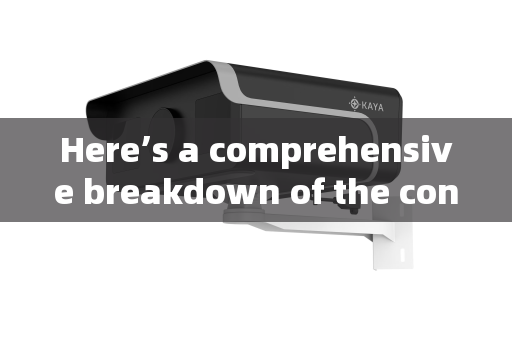
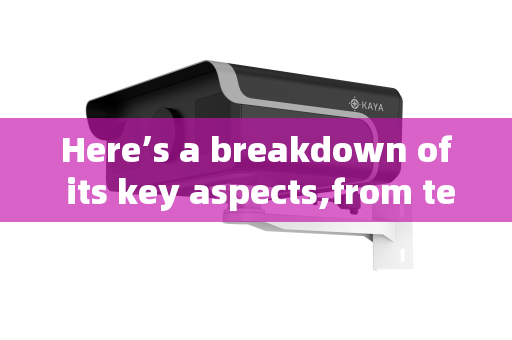
Beyond the Surface: The Critical Role of Penetration Imaging Systems in Airport Vehicle and Personnel Security Inspections** The global aviation network stands as a pillar of modern civilization, facilitating commerce, connectivity, and cultural exchange. Its very foundation, however, rests upon an uncompromising commitment to security. Ensuring the sanctity of airport perimeters, terminals, and aircraft requires constant vigilance and the most advanced technological tools. In this high-stakes environment, Penetration Imaging Systems (PIS) have emerged as a transformative force, redefining the capabilities of security personnel in conducting vehicle and personnel inspections at airport ports.
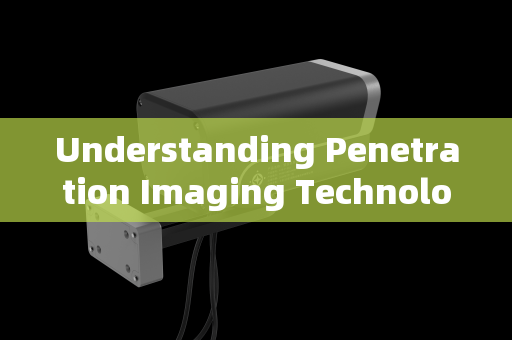
Penetration Imager Effect Images
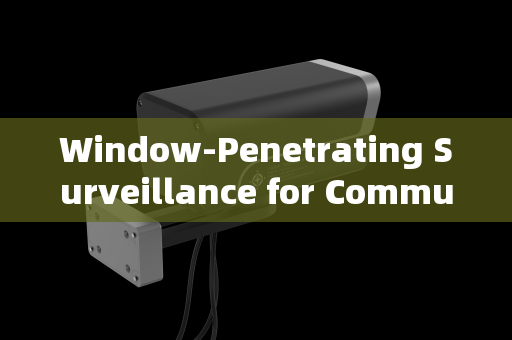
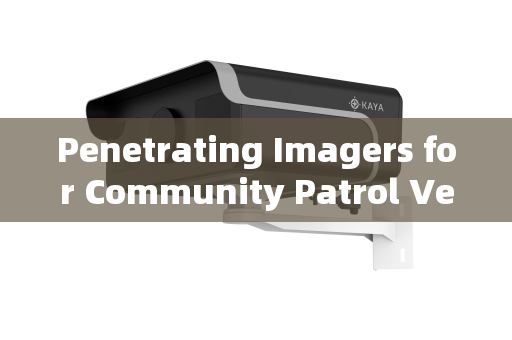
At its core, a Penetration Imaging System is a sophisticated optoelectronic device engineered to "see" through visual obstructions that traditionally hamper surveillance and inspection. It employs advanced Laser Range-Gated Imaging (LRGI) or Gated Imaging technology. This innovative approach synergistically combines a high-repetition-frequency pulsed laser with a gated intensifier camera. The system's intelligence lies in its precise nanosecond-level synchronization. By controlling the precise time delay between the laser pulse emission and the camera's shutter opening, the system can selectively image specific "slices" of space at varying distances. This slice-by-slice scanning and stacking process constructs a clear image with exceptional contrast.
This methodology grants the PIS remarkable advantages crucial for airport security: long-range imaging capability, high-distance resolution, superior resistance to various interferences, and, most importantly, effective suppression of backscatter. Backscatter, the reflection of light from obscurants like fog, smoke, or glare, is a common adversary for conventional cameras. The PIS inherently overcomes this, allowing it to maintain performance in challenging conditions.
The Airport Security Imperative: Vehicles and Personnel

Penetration Imager Effect Images
Airports are complex ecosystems involving a constant flow of service vehicles, cargo trucks, fuel tankers, catering vans, and private vehicles accessing restricted areas. Simultaneously, thousands of personnel—from flight crew and maintenance staff to cleaners and officials—move through secure portals. Traditional inspection methods, while necessary, can be intrusive, time-consuming, and sometimes limited.
Role in Vehicle Inspection: A PIS acts as a powerful force multiplier for security teams responsible for screening vehicles approaching sensitive areas like tarmacs, cargo holds, or fuel depots. Its ability to penetrate various types of glass—car windows, laminated windshields, bus glass, and even the specialized windows of aircraft (e.g., cockpit windscreens, passenger cabin windows) or high-speed train carriages—is revolutionary.
- Covert Surveillance & Threat Detection: Security personnel can conduct standoff detection from a safe, discreet distance. Without alerting the occupants, they can scan a vehicle's interior for concealed individuals, suspicious packages, weapons, or illicit materials. This is invaluable for counter-terrorism, anti-smuggling (drugs, contraband), and preventing unauthorized access.
- All-Weather, All-Condition Operation: Airport operations continue in rain, snow, fog, or haze. The PIS's capability to image through such mediums (rain, snow, fog, haze, smoke) ensures continuous security oversight regardless of weather, a critical requirement for 24/7 port security.
- Overcoming Glare and Reflections: Strong sunlight or artificial lights on vehicles can create blinding reflections, hiding the interior from standard cameras. The PIS's gated imaging effectively mitigates this glare suppression, providing a clear view inside.
Role in Personnel Screening and Perimeter Security: While primary passenger screening occurs inside terminals, security for staff entrances, perimeter fences, and restricted zones is equally vital.
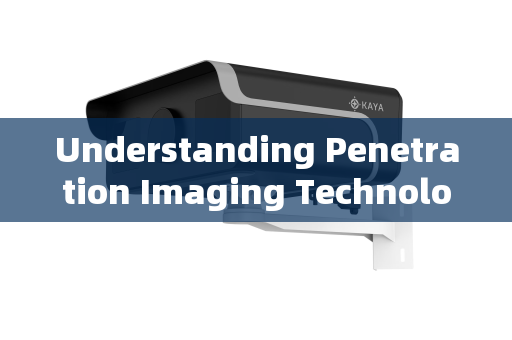
Penetration Imager Effect Images
- Enhanced Perimeter Monitoring: Integrated into fixed or pan-tilt-zoom (PTZ) platforms, PIS can monitor vast perimeter areas. It can detect and assess individuals or activities behind glass barriers, within light fog, or in low-light conditions, providing early warning of potential intrusions.
- Incident Response and Forensic Investigation: In a security breach or threat scenario, responders can use handheld or vehicle-mounted PIS units to safely assess a situation from behind cover or through windows—be it a barricaded individual in a building or a suspicious vehicle on the apron. This provides critical tactical intelligence without exposing officers to direct threat.
- Non-Intrusive Inspection Points: At high-security personnel gates, PIS can offer an additional, non-intrusive screening layer, capable of verifying the contents of bags or identifying anomalies on a person's body that might be obscured by clothing layers when viewed through certain materials or in poor light, though it is not a replacement for dedicated body scanners used for passengers.
Integration into the Broader Security Architecture
The true power of Penetration Imaging is realized when integrated into a broader Smart Airport, Smart Security framework. Data from PIS can feed into centralized command and control systems, using video analytics for automatic threat detection, object recognition, and behavioral analysis. This contributes significantly to predictive policing and intelligence-led security operations at airports.
Conclusion
The Penetration Imaging System is far more than just a camera; it is a strategic enabler for airport security forces. By granting them the ability to conduct effective, long-range, and non-invasive inspections through visual barriers and in adverse environmental conditions, it directly addresses critical vulnerabilities in vehicle and personnel screening. It enhances operational safety for officers, increases the throughput and efficiency of security checks, and creates a formidable deterrent against malicious actors. As threats evolve and the demand for seamless yet secure travel grows, technologies like PIS will remain indispensable in safeguarding the complex and vital nodes of global aviation, ensuring that security measures extend truly beyond the surface.