Shattering the Glass Veil: The Role of Penetration Imaging Systems in Monitoring and Reconnaissance of Illegal Activities within High-Rise Financial Buildings**
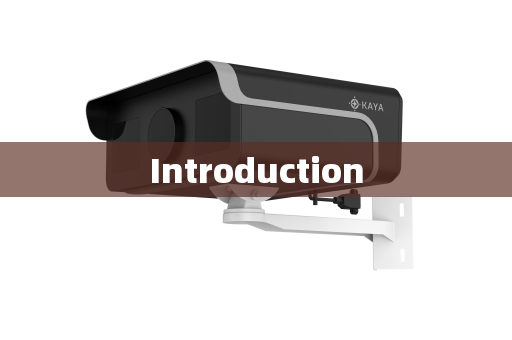
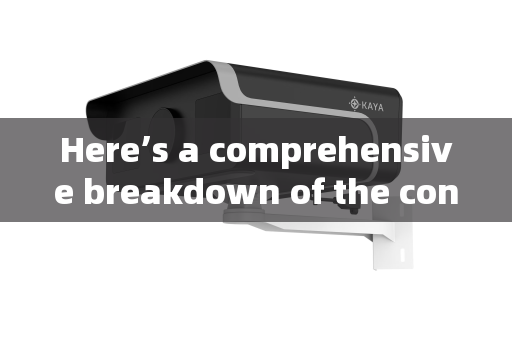
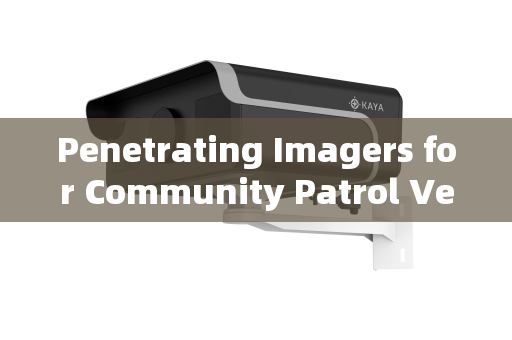
Penetration Imager Effect Images
High-rise financial buildings, symbols of economic power and global commerce, paradoxically present a unique and formidable challenge for security and law enforcement agencies. Their towering facades of glass, steel, and concrete are not just architectural statements but also potential shields for illicit activities ranging from financial fraud and insider trading to more severe threats like terrorism planning or hostage situations. Traditional surveillance methods—optical cameras, thermal imaging—often falter against the reflective, obstructive barriers of modern glass curtain walls, tinted windows, and complex interior layouts. In this high-stakes environment, advanced penetration imaging systems are emerging as a transformative technology, offering unprecedented capabilities for monitoring and reconnaissance to safeguard these critical infrastructures.
Understanding Penetration Imaging Technology
A penetration imaging system, specifically leveraging advanced Laser Range-Gated Imaging (LRG) or Gated Imaging Technology, represents a paradigm shift in surveillance. It innovatively combines a high-repetition-rate pulsed laser with a gated intensifier camera. The core principle involves precise, nanosecond-level synchronization between the laser pulses and the camera’s electronic shutter.
Here’s how it works: The system emits short, intense pulses of laser light. The gated camera’s shutter opens only for an extremely brief window (as short as 3 nanoseconds), precisely timed to capture photons reflected only from a specific, user-defined "slice" of distance. By progressively delaying this time gate, the system performs a "slice-and-stack" scan of the entire scene. This sophisticated process delivers high-contrast images by effectively eliminating backscatter from obscurants like smoke, fog, rain, or snow that plague conventional imaging. Crucially, it can "see through" various types of glass—standard windows, tinted glass, laminated security glass, and even specialized aircraft or vehicle windows—by filtering out the primary specular reflection from the glass surface and capturing the faint return from the objects behind it.
Key components include a pulsed laser, a gated intensifier camera (incorporating a Microchannel Plate (MCP) image intensifier, high-voltage modules, and precision timing circuitry for >10^6 optical gain and <10ps synchronization accuracy), beam expanders, and imaging lenses. This allows for long-range, high-resolution 3D information acquisition even in pitch darkness or harsh conditions.
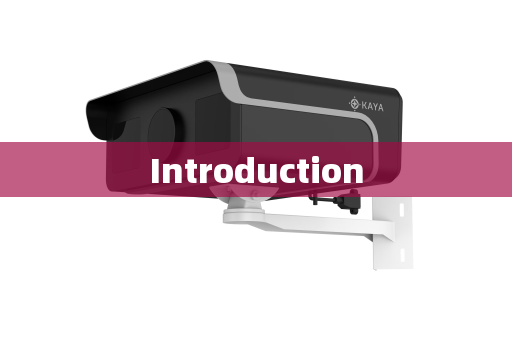
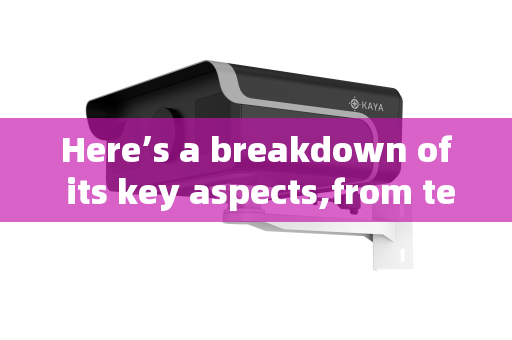
Penetration Imager Effect Images
Application in Monitoring High-Rise Financial Buildings
The application of this technology in the context of high-rise financial buildings is multifaceted and powerful:
-
Through-Glass Surveillance and Reconnaissance: This is the system's primary advantage. Law enforcement or intelligence units can conduct remote, standoff observation of activities inside offices, trading floors, or executive suites from a concealed position in a neighboring building or ground vehicle, without physical intrusion or the target’s knowledge. This enables the gathering of critical visual evidence on suspicious meetings, unauthorized document handling, or the deployment of threatening devices, all through the building’s glass facade.
-
Overcoming Environmental and Structural Challenges: Financial districts are often located in urban cores prone to light pollution, smog, and adverse weather. Penetration imaging systems maintain operational effectiveness in these conditions, providing clear imagery through haze, light rain, or at night, ensuring continuous monitoring capability.
-
Supporting Counter-Terrorism and Hostage Rescue Operations: In a crisis such as a terrorist takeover or armed intrusion, these systems can be deployed to gather vital real-time intelligence. They can map interior layouts, identify the number and positions of hostiles or hostages, and detect weapons or explosives through windows, significantly enhancing situational awareness for tactical teams planning an intervention.
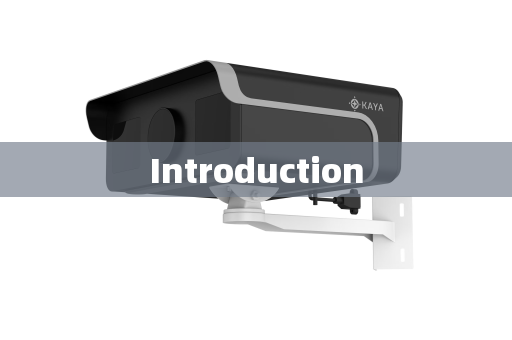
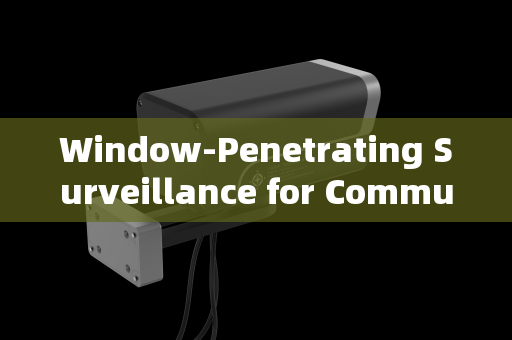
Penetration Imager Effect Images
-
Investigating Financial Crimes and Insider Threats: For agencies investigating complex financial crimes, the ability to discreetly monitor specific individuals or groups within a building can provide corroborative evidence. Observing the physical transfer of documents, access to secure servers, or clandestine meetings can complement digital forensic investigations.
-
Perimeter and VIP Protection: For continuous security monitoring, these systems can be integrated into a building’s own security apparatus or used by protective details to scan surrounding high-rise structures for potential sniper threats or observation posts aimed at VIPs within the financial building.
Broader Context in Security and Emergency Response
While invaluable for financial building security, the utility of penetration imaging systems extends across the security and emergency spectrum, underscoring their versatility:
- Law Enforcement & Military Scenarios: They are critical for counter-terrorism operations, surveillance and evidence collection, anti-smuggling/details, covert tracking, and military reconnaissance, playing a key role in Smart City, Smart Security, and Smart Policing initiatives.
- Emergency Response: In urban firefighting, they enable firefighters to "see" through smoke and flames to locate victims and assess structural integrity. They are equally vital for search and rescue (SAR) in collapsed structures, forest fire monitoring, and maritime incidents.
- Coastal and Border Defense: These systems facilitate long-range haze-penetrating imaging and glare suppression, ensuring the continuity of maritime security operations, port safety, and border patrol activities in poor visibility.
Conclusion
In the opaque world of threats facing high-rise financial centers, penetration imaging systems serve as a critical "glass breaker" for security forces. By mastering the light itself to see through visual barriers and environmental clutter, they provide a decisive intelligence, surveillance, and reconnaissance (ISR) advantage. Their role transcends simple observation; they empower proactive threat detection, informed tactical planning, and ultimately, the preservation of security, order, and trust within the vital nerve centers of the global economy. As threats evolve, so too will this technology, ensuring it remains an indispensable tool in the advanced security arsenal.