The Silent Scout: How Penetration Imaging Systems Revolutionize Pre-Assault Reconnaissance in Counter-Terrorism Operations** In the high-stakes world of counter-terrorism, the moments before a raid are the most critical. The difference between mission success and catastrophic failure often hinges on the quality of intelligence gathered during the vital pre-assault reconnaissance phase. Operatives need to see the unseen: to identify threats, locate hostages, and map interiors without alerting adversaries. Traditional optical and thermal imaging often fall short against barriers like windows, smoke, or complex environmental conditions. This is where the penetration imaging system emerges as a game-changing force multiplier, providing an unprecedented tactical advantage through its ability to "see through" visual obstacles.
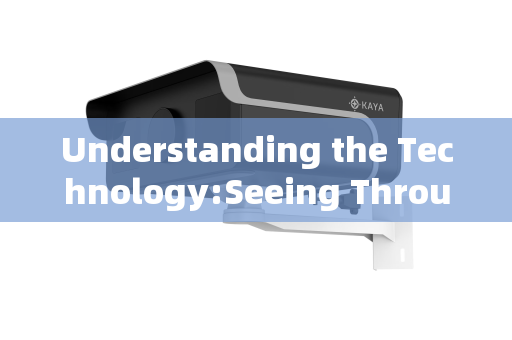
Penetration Imager Effect Images
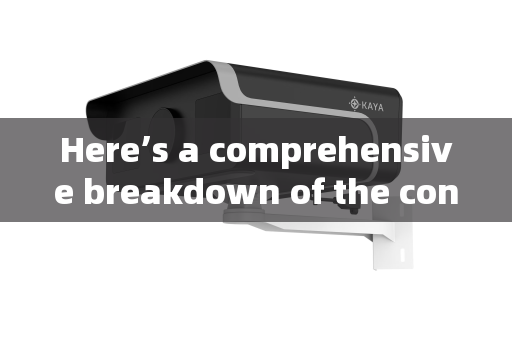
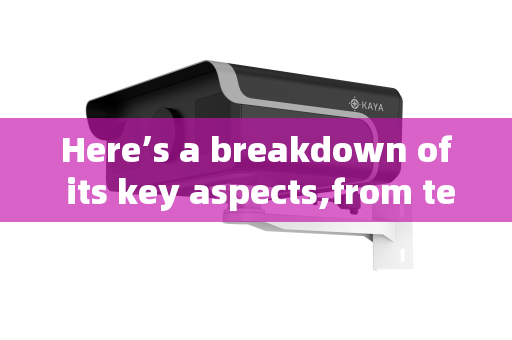
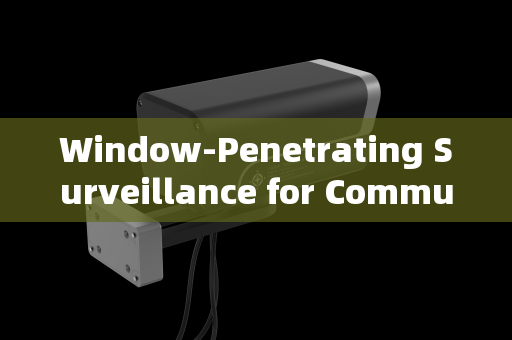
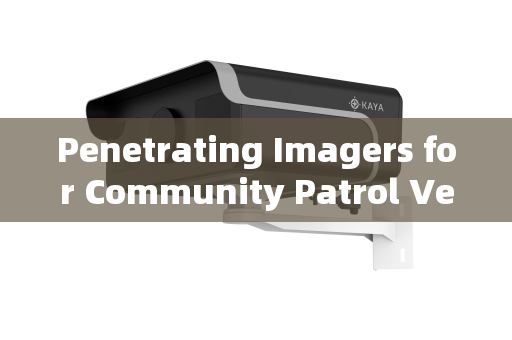
A penetration imaging system is not merely a camera; it is a sophisticated electro-optical sensor built on advanced Laser Range-Gated (LRG) or Gated Imaging technology. Its core innovation lies in the precise synchronization of a high-repetition-rate pulsed laser and a gated, intensified camera. The system works by emitting ultra-short, nanosecond-duration laser pulses toward a target scene. The camera's sensor, or "gate," is electronically shuttered and opens only for an extremely brief, precisely timed window—synchronized to the exact moment the laser light reflected from a specific, user-selected distance slice returns.
This process, known as time-gating, effectively slices the environment into thin volumetric sections. By selectively imaging only the light returning from a chosen distance (e.g., from behind a window), the system eliminates nearly all back-scattered light from obscurants like smoke, fog, rain, or the glass surface itself. The key components—a pulsed laser illuminator, a beam expander, an imaging lens, and the gated intensifier camera containing a Microchannel Plate (MCP)—work in concert. The MCP provides immense optical gain (>10^6), while the gating electronics achieve phenomenal synchronization precision (better than 10 picoseconds), enabling high-contrast, high-resolution imaging even in total darkness or through visually hostile media.
The Pre-Assault Reconnaissance Imperative in CT Operations
Before breaching a stronghold believed to house terrorists or hostages, teams must answer life-or-death questions: How many individuals are inside? Where are they positioned? Are they armed? What is the interior layout? Are there explosives or booby-traps? Conventional surveillance methods—human intelligence, drones with standard cameras—may be compromised by barriers, weather, or the need for covertness.
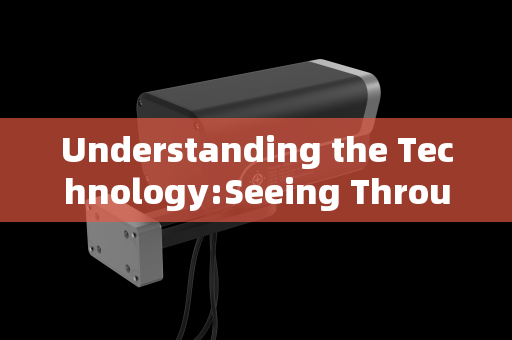
Penetration Imager Effect Images
The penetration imaging system directly addresses these challenges. Mounted on a ground vehicle, UAV, or operated from a concealed position hundreds of meters away, it acts as a silent, non-invasive scout.
Key Roles in Pre-Raid Reconnaissance:
-
Covert Through-Barrier Surveillance: The system's ability to penetrate various types of glass—car windows, building fenestration, specialized laminates in vehicles or aircraft—is paramount. Operatives can conduct long-range, undetected observation of a target vehicle's interior at a checkpoint or scan the rooms of a building from a standoff distance, gathering real-time intelligence on occupant numbers, activities, and potential armament without any physical contact or visible laser signature.
-
Negating Environmental & Intentional Obscurants: Terrorists may use smoke grenades, start fires, or operate in inherently low-visibility conditions (night, heavy weather). The system's exceptional rejection of back-scatter allows it to maintain a clear view through smoke, haze, mist, and light precipitation. This ensures that the assault element does not lose vital visual information even if adversaries attempt to create visual chaos as the raid commences.
Penetration Imager Effect Images
-
3D Mapping and Intelligence Fusion: Advanced systems can perform stacked "slice" imaging, building a high-resolution, three-dimensional representation of the space behind a barrier. This data can be integrated with blueprints or architectural plans to create highly accurate assault maps, identifying potential strongpoints, choke points, and safe approaches.
-
Enhanced Situational Awareness (SA): By fusing penetration imaging feeds with other surveillance data (COMINT, SIGINT, thermal), commanders in the Joint Operations Center gain a comprehensive, real-time visual understanding of the dynamic target area. This dramatically improves decision-making regarding breach points, entry timing, and threat prioritization.
Beyond the Raid: A Tool for Broader Security
While its value in pre-assault phases is profound, this technology's utility extends across the security spectrum. In emergency response, it allows firefighters to locate victims through flames and smoke. In border and maritime security, it enables long-range surveillance through fog and glare for interdiction missions. For critical infrastructure protection, it provides a means to inspect vehicles and containers covertly.
Conclusion
In counter-terrorism, knowledge is the ultimate weapon, and time is the most precious resource. The penetration imaging system delivers both. By granting law enforcement and military units the ability to conduct detailed, covert reconnaissance through barriers and in adverse conditions, it transforms the pre-assault phase. It reduces uncertainty, minimizes surprise, and ultimately, saves the lives of operators, hostages, and innocent bystanders. As this technology continues to evolve, its role as the "silent scout" will only become more indispensable in ensuring the success of high-risk operations and maintaining the tactical edge against asymmetric threats.