In the complex and often opaque landscape of modern urban security, monitoring and countering organized gang activities present a persistent challenge for law enforcement agencies worldwide. Traditional surveillance methods frequently encounter physical and environmental barriers, from tinted vehicle windows concealing illicit transactions to the obscuring effects of smoke, fog, or darkness that shield covert meetings. The emergence of advanced Penetration Imaging Systems represents a paradigm shift, offering law enforcement a powerful, stealthy, and resilient technological tool to overcome these obstacles and gain a critical intelligence edge.
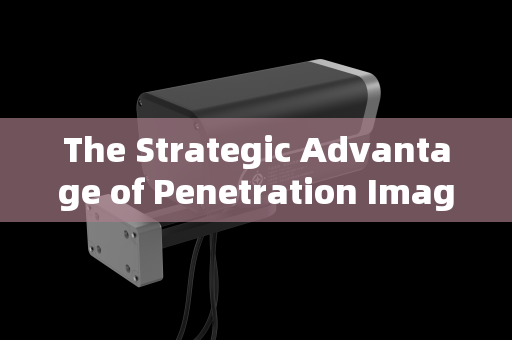
Penetration Imager Effect Images
Understanding the Penetration Imaging System
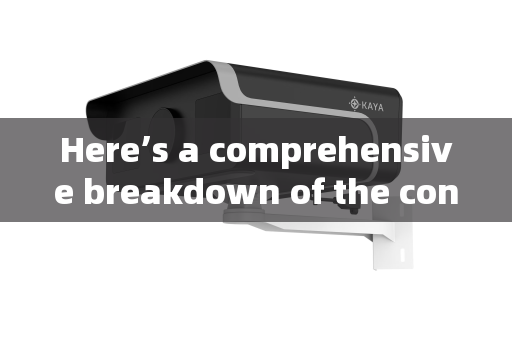
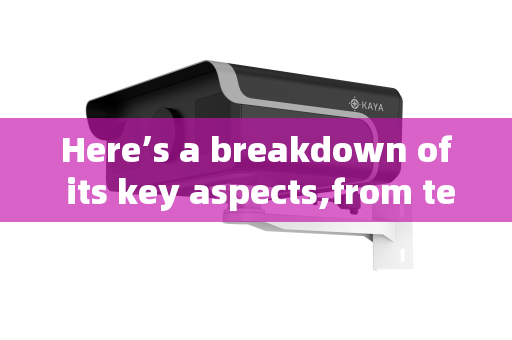
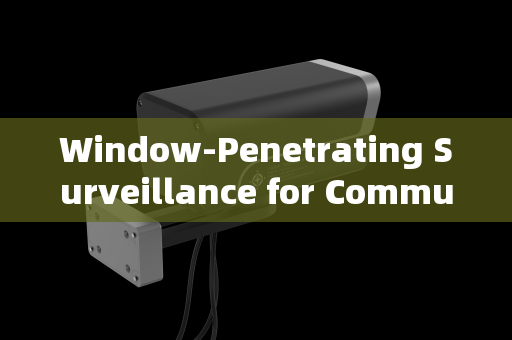
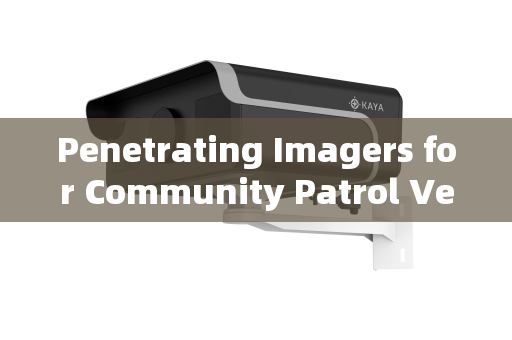
At its core, a Penetration Imaging System is not a mere camera but a sophisticated active imaging platform. It leverages advanced Laser Range-Gated Imaging (LRG) technology, innovatively combining a high-repetition-rate pulsed laser with a gated, intensified camera. The system's genius lies in its precise temporal control. By synchronizing nanosecond laser pulses with the camera's ultra-fast electronic shutter with picosecond precision, it effectively "slices" the field of view into discrete distance segments. It illuminates and captures only the light returning from a specific, user-defined range slice, rejecting scattered light from obscurants like fog, smoke, or rain within other slices. This process, known as "stack-scanning," builds a clear, high-contrast image.
The key components include a pulsed laser, a gated intensifier camera (featuring a Microchannel Plate (MCP) image intensifier, high-voltage module, and precise timing/gating electronics), beam expanders, and imaging lenses. The MCP intensifier provides extraordinary optical gain (>10^6), while the gating mechanism acts as an optical shutter faster than 3 nanoseconds. This enables the system to see through various media with remarkable clarity.
Capabilities: Seeing the Unseeable
The operational advantages of this technology in a law enforcement context are transformative:
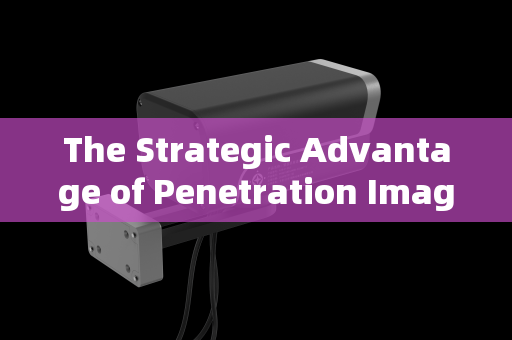
Penetration Imager Effect Images
- Penetrating Visual Barriers: It can discreetly "see through" common urban obstructions such as heavily tinted car windows, building glass facades, and specialty glass (e.g., in trains or aircraft), revealing occupants, objects, and activities inside without alerting the subjects.
- Defying Environmental Adversity: The system's exceptional backscatter suppression allows it to maintain imaging capability through smoke (from fires or deliberate obfuscation), fog, haze, light rain, and snow—conditions where conventional optics and thermal cameras fail.
- Long-Range, Covert Surveillance: It operates effectively in extreme low-light or pitch-dark conditions without requiring visible illumination, enabling long-range, passive observation. The laser illumination is typically invisible to the naked eye, preserving the covert nature of the operation.
- High-Resolution Intelligence Gathering: Beyond 2D imaging, the precise time-gating provides accurate distance data for each pixel, facilitating the creation of 3D models of a scene, which is invaluable for planning tactical interventions.
Application in Monitoring Urban Gang Activities
For police and federal agencies tasked with dismantling gang networks, the Penetration Imaging System is a force multiplier across several critical operational domains:
-
Covert Vehicle Surveillance and Tracking: A primary application is the non-invasive inspection of suspected gang vehicles. From a standoff position, officers can identify the number of occupants, witness handovers of contraband, spot hidden weapons, or document evidence without initiating a high-risk traffic stop prematurely. This is crucial for building strong court-admissible evidence and understanding logistics chains.
-
Safe-House and Location Reconnaissance: Monitoring gang-affiliated residences or warehouses often involves observing through windows from a distance. This system can penetrate curtains, dirty or reflective glass, and ambient darkness to monitor internal movements, count individuals, or identify specific assets, all while keeping surveillance teams at a safe and concealed distance.
-
Operations in Obscured Environments: Gangs may use smoke screens or operate in perpetually dimly lit areas (e.g., under bridges, in tunnels, industrial yards). Whether during a raid or extended surveillance, this technology provides clear visual intelligence where standard equipment is blinded, enhancing officer safety and operational effectiveness.
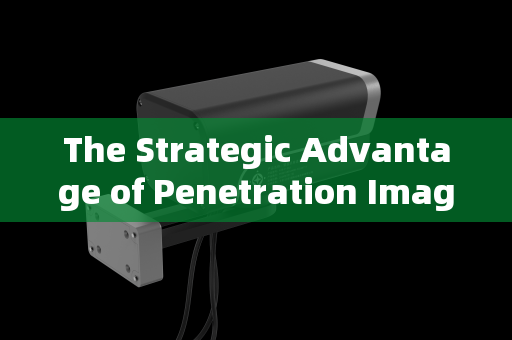
Penetration Imager Effect Images
-
Evidence Collection and Tactical Planning: The high-resolution imagery and 3D data can be used to create detailed models of a location before a raid, allowing for precise planning of entry points and movement. It can also capture critical visual evidence through barriers during an ongoing incident.
-
Border and Port Security: In intercepting gang-related smuggling operations (drugs, weapons, human trafficking), these systems can inspect shipping containers' interiors through glass or thin barriers and monitor vessels approaching docks despite thick fog or darkness, tightening the net around transnational gang logistics.
Integration into Broader Security Infrastructure
The potential of Penetration Imaging extends beyond direct law enforcement operations. Its integration into Smart City and Smart Policing frameworks could revolutionize urban security. Fixed systems could be deployed at critical infrastructures, high-crime zones, or major entry points, feeding real-time, all-weather, all-light visual data into centralized command centers. This creates a persistent surveillance capability that actively denies gangs the cover of darkness and weather, disrupting their operational patterns.
Conclusion
The Penetration Imaging System is far more than a simple camera; it is a decisive technological agent that redefines the possibilities of urban surveillance. By rendering traditional concealment methods ineffective and mastering challenging environmental conditions, it provides law enforcement with an unmatched capability for intelligence-led policing against gang activities. As urban security challenges grow more complex, the adoption of such cutting-edge, discriminator technologies will be pivotal in ensuring public safety, enabling proactive crime prevention, and securing convictions through superior evidence gathering—all while maintaining the vital element of operational stealth and officer safety.