The shadowy networks of organized crime groups present a persistent and evolving threat to global security. Their operations, often concealed within legitimate fronts, protected by hardened infrastructures, and shrouded by deliberate obfuscation, demand sophisticated and discreet surveillance capabilities from law enforcement and intelligence agencies. In this high-stakes arena, where traditional observation methods frequently reach their limits, penetration imaging systems have emerged as a transformative, force-multiplying technology for covert reconnaissance.
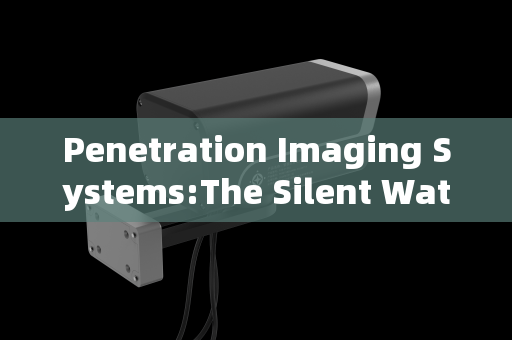
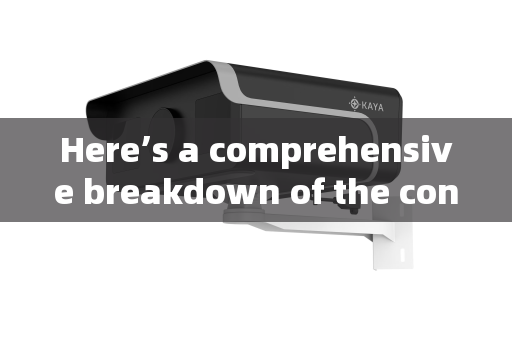
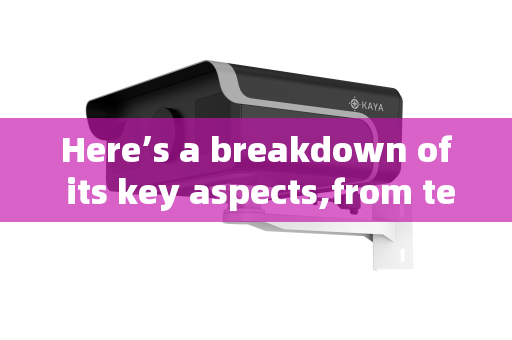
Penetration Imager Effect Images
Understanding the Technology: Seeing the Unseeable
At its core, a penetration imaging system is a sophisticated active imaging device designed to acquire visual intelligence through obscurants and barriers that defeat conventional optics and thermal cameras. It operates on the principle of Laser Range-Gated Imaging (LRGI) or Gated Imaging. The system integrates a high-repetition-rate pulsed laser illuminator and a gated, intensified camera. The key innovation lies in the precise, nanosecond-level synchronization between the laser pulse and the camera's electronic shutter.
Here’s how it works: The system emits a short, powerful pulse of laser light. The gated camera remains "closed" initially, ignoring the intense backscatter from proximate obscurants like fog, smoke, or a dirty window. After a precisely calculated time delay—corresponding to the time it takes for light to travel to a specific distance slice and back—the camera's shutter opens for just a few nanoseconds. It captures only the photons reflected from the target at that specific "slice" of space, rejecting all other scattered light. By stacking multiple slices or scanning the delay, the system builds a high-contrast image of the target, effectively "seeing through" the intervening medium.
This grants the system unique attributes critical for covert work: extreme standoff detection range, high range resolution, powerful resistance to backscatter and ambient interference, and the ability to function in total darkness or extreme low-light conditions.
The Covert Reconnaissance Edge in Anti-Crime Operations
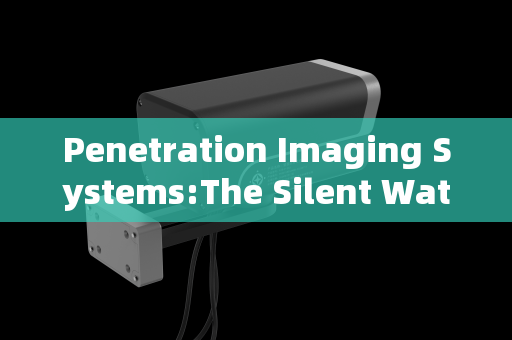
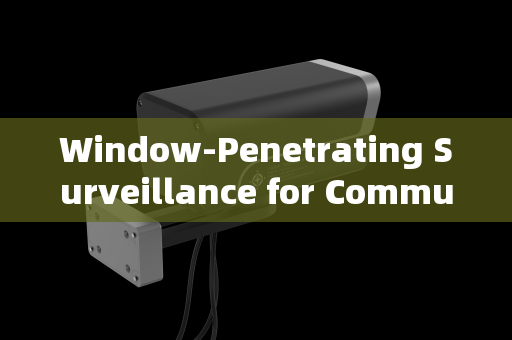
Penetration Imager Effect Images
For agencies tasked with dismantling organized crime syndicates—involved in narcotics trafficking, human smuggling, extortion, and money laundering—penetration imaging provides unparalleled tactical advantages:
-
Non-Invasive Vehicle and Structure Penetration: A quintessential application is the covert, standoff inspection of vehicles and buildings. Organized crime relies heavily on mobile operations (using vehicles for drug drops, cash smuggling, or human trafficking) and secure facilities (for storage, processing, or meetings). Penetration imaging can "see through" vehicle windows (car, train, aircraft), building glass facades, and even certain specialty tinted or laminated glass from a safe, concealed distance. This allows operatives to identify occupants, count individuals, observe activities, or detect concealed items inside without ever approaching the target, thereby preserving operational secrecy and officer safety.
-
Overcoming Environmental Camouflage: Crime often thrives under cover of darkness and恶劣天气. Whether it's a coastal smuggling operation under thick fog, a rendezvous in heavy rain, or activities obscured by industrial smoke or urban haze, traditional surveillance may fail. Penetration imaging systems excel in adverse weather conditions (fog, rain, snow, mist) and darkness, ensuring continuous surveillance capability when criminal elements believe they are invisible.
-
Barrier Penetration for Evidence Gathering and Situational Awareness: Beyond glass, these systems can peer through other visual barriers. In scenarios like a hostage situation inside a barricaded building obscured by smoke or a fire set to destroy evidence, penetration imaging can provide lifesaving intelligence to rescue teams. While not X-ray vision, its ability to mitigate the effects of fire, dense smoke, and light foliage offers a critical view where other sensors are blinded.
-
Enhanced Maritime and Border Surveillance: For syndicates involved in cross-border or maritime crime, coastal and riverine areas are key vectors. Penetration imaging systems deployed on patrol vessels, aircraft, or fixed sites provide long-range, over-water surveillance with superior fog-penetration and glare suppression capabilities. This is vital for tracking suspect vessels, monitoring unauthorized approaches, or conducting interdictions in poor visibility, directly supporting coast guard, border patrol, and naval interdiction missions.
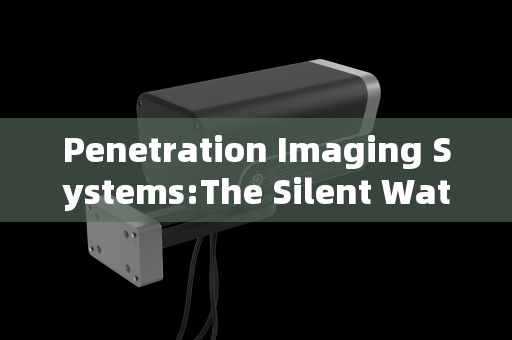
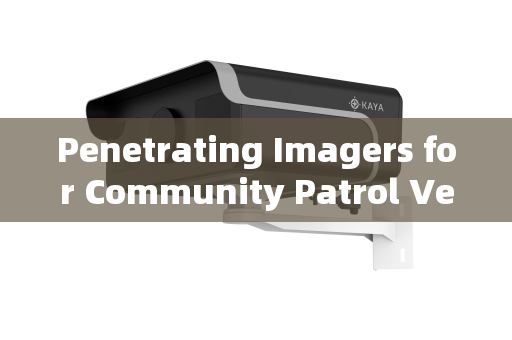
Penetration Imager Effect Images
-
Tactical Pre-Assault and Dynamic Entry Reconnaissance: Before a high-risk warrant service or raid on a fortified criminal location, knowing what lies behind a window, door, or within a smoke-filled room is paramount. These systems can be used to clear "fatal funnels," identify immediate threats behind barriers, and provide real-time visual intelligence to the assault team, dramatically increasing operational effectiveness and reducing risk.
Operational Advantages and Considerations
The value of penetration imaging in covert reconnaissance against organized crime is multifaceted. It provides a non-contact, passive-friendly (when used discreetly) method of intelligence collection, minimizing the risk of alerting the target. It extends operational windows into darkness and poor weather, denying criminals their favored conditions. Most importantly, it delivers actionable visual intelligence on targets that were previously considered "protected" by simple visual barriers.
However, its deployment requires expertise. Operators must understand its limitations (e.g., effectiveness varies with barrier material and thickness) and synchronize its use with broader intelligence, electronic surveillance, and human sources. The technology is a powerful piece of the puzzle within a multi-layered investigative framework.
Conclusion
In the relentless, clandestine battle against organized crime, information superiority is the ultimate weapon. Penetration imaging systems represent a significant leap forward in covert optical surveillance. By mastering the photon's journey with picosecond precision, they strip away the layers of concealment—be it darkness, weather, or man-made barriers—that criminals rely on. As these systems continue to evolve, becoming more compact, capable, and integrated with other sensor data, they will remain an indispensable asset for law enforcement and security agencies worldwide, ensuring that even in the deepest shadows, the silent watcher prevails.