In the chaos of a structural fire, dense smoke often creates a zero-visibility environment, turning rescue operations into a desperate search against time and elements. Traditional thermal cameras can detect heat signatures but struggle to provide clear, detailed imagery through obscurants like thick smoke, dust, and intense flames. This is where advanced penetration imaging systems come into play, offering a technological lifeline. But what principle enables these systems to achieve clear, smoke-penetrating imaging for rescue?
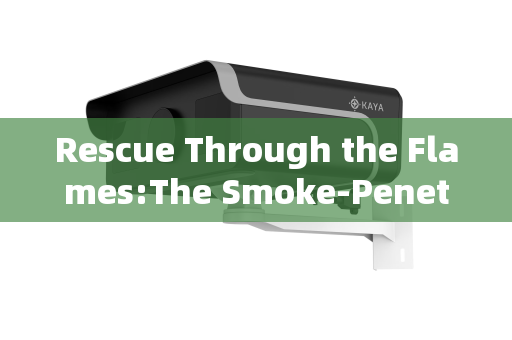
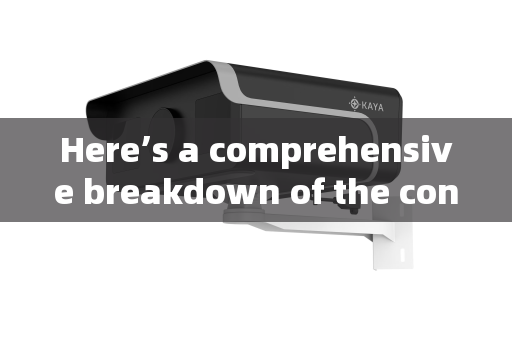
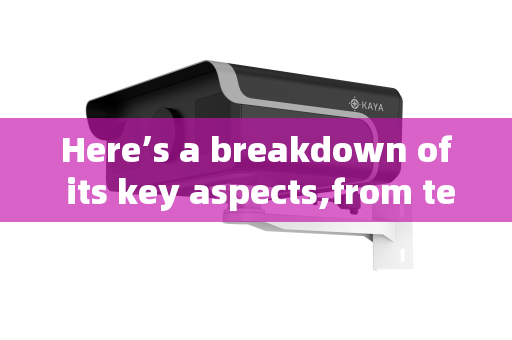
Penetration Imager Effect Images
The core technology is known as Laser Range-Gated (LRG) Imaging or Gated Imaging. This sophisticated method moves beyond passive detection, actively illuminating the scene and intelligently filtering out visual noise. Here’s how it works to see through the visually impenetrable.
The Principle: Active Illumination and Time-Sliced Vision
Imagine trying to see a person in a foggy room while someone shines a bright flashlight directly into your eyes. The light scatters off the fog particles near you, creating a blinding "backscatter" effect. A penetration imaging system solves this problem with precision timing. It combines a high-repetition-rate pulsed laser with a specialized gated intensifier camera.
The process is a masterpiece of synchronization:
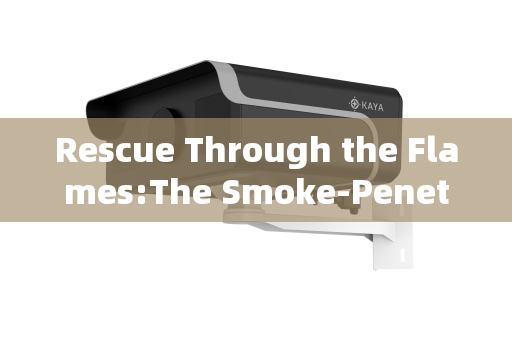
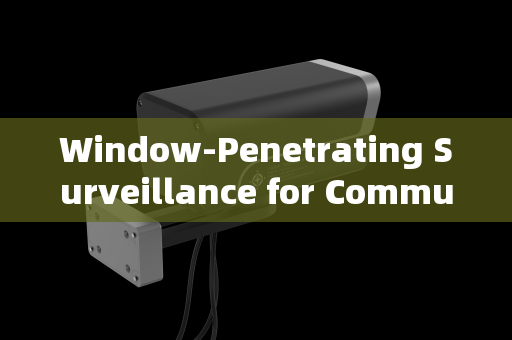
Penetration Imager Effect Images
- Pulsed Illumination: The system emits an extremely short, powerful burst of laser light (in the nanosecond range) towards the target area.
- Precision Gating: The camera's sensor, or "gate," remains closed during the initial journey of the laser pulse. This is critical. It blocks the intense backscattered light from smoke, dust, or water particles close to the camera.
- Synchronized Capture: After a precisely calculated time delay—corresponding to the time it takes for the laser light to travel to a specific slice of the scene and back—the camera's gate opens for an equally brief moment (e.g., less than 3 nanoseconds). It collects only the light reflected from objects at that specific distance.
- Slice-by-Slice Reconstruction: By rapidly adjusting the time delay, the system scans through different distance "slices" of the environment. These slices are then computationally stacked to build a high-contrast, detailed image of the entire scene, effectively rendering nearby obscurants invisible.
System Composition and Capabilities
A typical penetration imaging system comprises a pulsed laser illuminator, an imaging lens, a beam expander, and the heart of the system: the Gated Intensifier Camera. This camera integrates a Microchannel Plate (MCP) image intensifier, a high-voltage power supply, and precision timing (gate & sync) modules. This setup enables extraordinary performance:
- Extreme Optical Gain (>10^6): Amplifies extremely faint reflected signals.
- Ultra-Fast Gating (<3 ns): Acts as a super-high-speed shutter to exclude unwanted scattered light.
- Picosecond-Level Synchronization: Ensures perfect timing between laser pulse and camera gate for accurate distance slicing.
This allows the system not only to penetrate smoke but also to see through various glass types (vehicle windows, building facades, aircraft portholes) and other media like light fog, rain, and snow. It can also be adapted for underwater imaging.
Application Scenarios in Rescue and Beyond
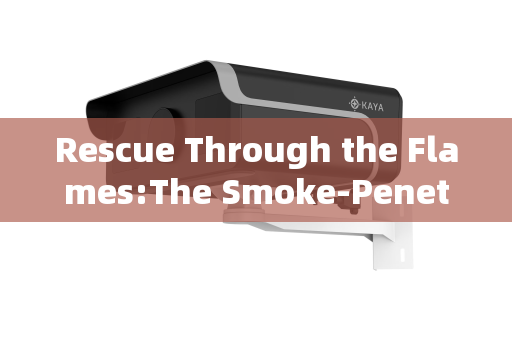
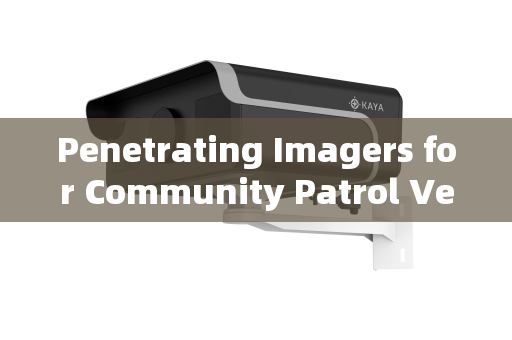
Penetration Imager Effect Images
The ability to acquire clear visual information in extreme conditions makes this technology transformative across critical fields:
-
Emergency & Firefighting: This is the primary rescue domain. Firefighters can use these imagers to navigate through smoke-filled buildings, locate victims with clarity, identify structural hazards, and assess fire spread in urban firefighting, forest fire monitoring, and industrial disaster (mine, chemical plant) rescue. It dramatically improves situational awareness, operational efficiency, and responder safety. It is also invaluable for training in live-fire simulation facilities.
-
Law Enforcement & Security: Tactical teams employ penetration imaging for covert surveillance through windows, counter-terrorism operations in obscured environments, search and evidence collection in challenging conditions, and border security to detect illegal activities at night or in adverse weather. It aids in anti-smuggling operations and hostage rescue scenarios where visual intelligence is paramount.
-
Maritime & Border Security: For coast guard and naval operations, these systems provide long-range fog-penetration imaging and glare suppression, ensuring safe navigation, vessel identification, port security, and the execution of maritime missions regardless of weather conditions.
-
Smart City & Critical Infrastructure Protection: Integrated into broader smart security and smart policing networks, these imagers enhance perimeter protection for high-value assets like power plants, data centers, and government buildings, offering reliable 24/7 vision.
In conclusion, the smoke-penetrating capability of modern penetration imaging systems is rooted in the elegant principle of Laser Range-Gated Imaging. By marrying pulsed laser illumination with nanosecond-precision camera gating, it selectively captures light from targeted distances, cutting through visual clutter caused by scattering media. This technology transcends the limitations of human sight and conventional optics, providing a clear "eye" for rescuers piercing through the veil of smoke and for security forces operating in the world's most visually hostile environments. It represents a critical tool in the global mission to save lives and enhance security.