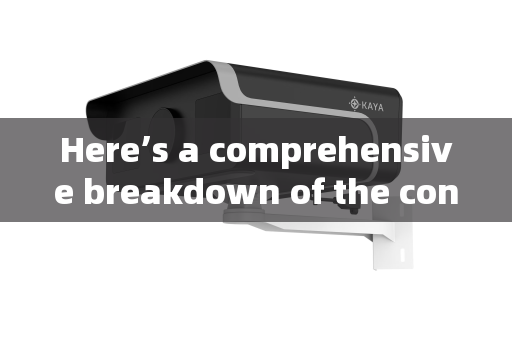
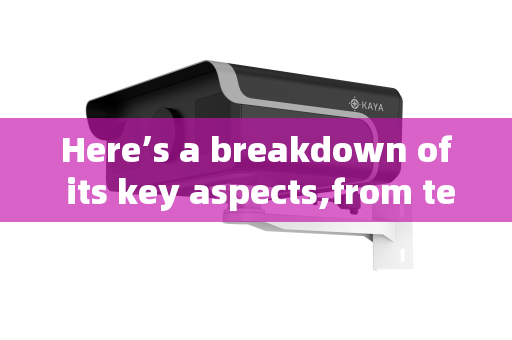
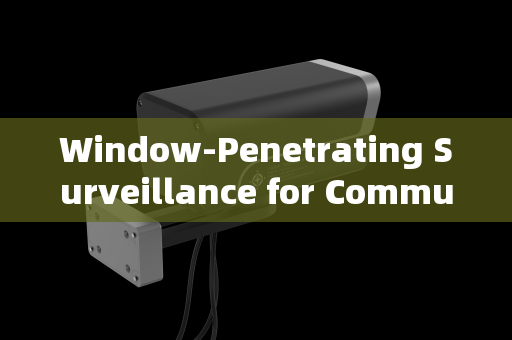
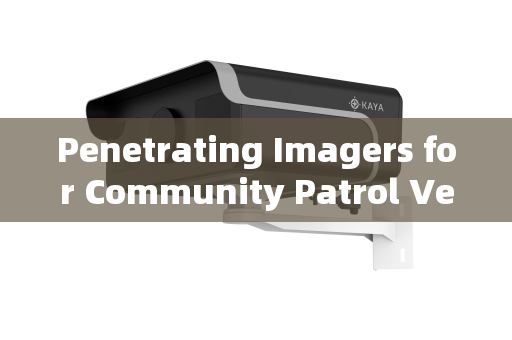
In the high-stakes, zero-visibility environment of a structural fire or a wildfire, every second counts for first responders. Traditional thermal imaging, while invaluable, can be challenged by intense heat saturation, blinding backscatter from particulates, and opaque barriers like smoke-filled or tinted windows. This is where advanced Penetration Imaging Systems, leveraging Laser Range-Gated (LRG) Imaging Technology, emerge as a transformative force. These systems provide critical, actionable intelligence that significantly enhances situational awareness, operational safety, and mission effectiveness for fire and rescue teams.
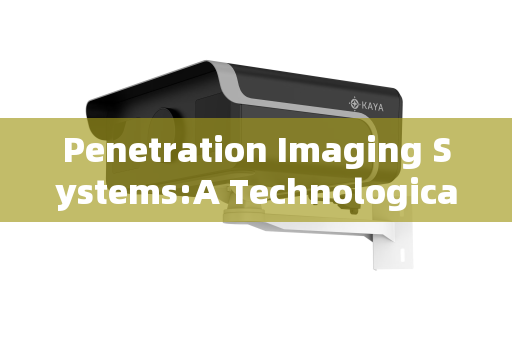
Penetration Imager Effect Images
Understanding the Core Technology and Capabilities
A Penetration Imaging System is not merely a camera; it is a precision-engineered active imaging suite. It innovatively combines a high-repetition-rate pulsed laser with a gated intensifier camera. The core principle involves emitting a powerful, ultrashort (nanosecond) laser pulse and precisely synchronizing the camera’s shutter to open only for the miniscule time window when the light reflected from a specific “slice” of space returns. By rapidly scanning through different time delays (distance slices), the system constructs a high-contrast image of the target scene.
This methodology grants it unparalleled advantages for emergency response:
- Superior Penetration & Clarification: It effectively overcomes backscatter from obscurants like smoke, fog, dust, rain, and snow, providing a clearer view than passive sensors.
- Long-Range, High-Resolution Imaging: Capable of acquiring detailed imagery from significant distances, even in total darkness or extreme low-light conditions.
- Barrier Penetration: A key lifesaving feature is its ability to non-invasively “see through” various glass barriers—car windshields, building windows (including tinted or reflective), train glass, and aircraft portholes—without requiring physical breach. This allows for rapid interior reconnaissance.
- Precision Timing: With components like a Microchannel Plate (MCP) intensifier and dedicated timing electronics, these systems achieve optical gains exceeding 10⁶ and gating precision better than 10 picoseconds, enabling high-fidelity 3D data acquisition of the environment.
Critical Support in Fire Rescue Operations
For firefighters and USAR (Urban Search and Rescue) personnel, this technology translates into direct, on-the-ground support across multiple phases of an operation:
Penetration Imager Effect Images
-
Initial Scene Assessment & Size-Up: Arriving at a structure fire or a wildfire flank, commanders can use the system to conduct rapid, long-range reconnaissance. It can penetrate thick smoke curtains to identify the fire’s seat, estimate its intensity, and detect structural weaknesses or potential flashover conditions before crews enter. In wildland scenarios, it can map fire fronts through dense smoke.
-
Search and Rescue (SAR) Enhancement: This is arguably its most vital function. The ability to scan a smoke-obscured room or a crashed vehicle from outside by looking through windows allows responders to quickly locate and assess victims—determining their number, position, and mobility—without blindly committing resources. It drastically reduces initial search time and guides efficient extrication pathways.
-
Interior Navigation & Hazard Identification: For interior attack teams, handheld or helmet-mounted variants can serve as superior navigation aids, cutting through smoke to identify doors, hallways, stairwells, and hazards like fallen debris, chemical containers, or energized equipment, preventing disorientation and casualty.
-
Overcoming Water/Steam Obstruction: During suppression activities, the environment often turns into a mix of steam and smoke, which can blind conventional thermal imagers. LRG technology can maintain better imaging performance in these conditions, ensuring teams do not lose visual contact with their exit routes or team members.
-
Post-Fire Investigation & Overhaul: During the overhaul phase, the system can help identify lingering hot spots deep within walls or debris piles more effectively than surface-looking thermal cameras, ensuring complete extinguishment and preventing rekindle.
Penetration Imager Effect Images
Broadening the Emergency Response Horizon
The utility of penetration imaging extends beyond urban firefighting:
- Forest Firefighting: Enables aerial or ground-based observation of fire behavior and perimeter mapping through canopy smoke.
- Industrial & Mining Disasters: Can peer through gaseous and particulate hazards in chemical plant fires or mine incidents to locate survivors.
- Maritime & Water Rescue: Its capability for underwater imaging (in clearer conditions) and surface penetration through spray and fog supports water rescue operations and shipboard firefighting.
- Training: Used in state-of-the-art live-fire training simulators to safely monitor trainees through observation windows in realistic, obscured environments.
Integration with Law Enforcement & Homeland Security
In complex incidents where fire response converges with law enforcement (e.g., arson, terrorism, active shooter scenarios), these systems provide critical dual-purpose intelligence. They can aid in hostage rescue situations by conducting covert surveillance through building windows, support SWAT operations in smoke-filled environments, and assist in evidence collection and post-blast investigation by safely examining compromised structures or vehicles.
Conclusion
The penetration imaging system, built on laser range-gated technology, represents a paradigm shift in fire service optics. It moves beyond detecting heat signatures to actively clarifying the obscured environment. By delivering clear visual intelligence through smoke, darkness, and glass, it empowers incident commanders with better decision-making tools, enhances the safety and effectiveness of front-line responders, and ultimately, creates a higher probability of survival for victims. As this technology becomes more integrated into fire apparatus, command vehicles, and personal protective equipment, it will undoubtedly solidify its role as an indispensable lifeline in the modern firefighter’s arsenal, setting a new standard for rescue operations in visually denied environments.