Introduction
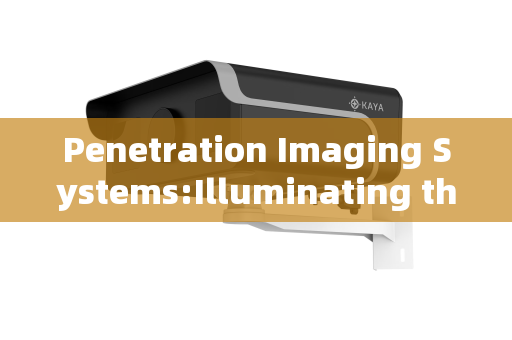
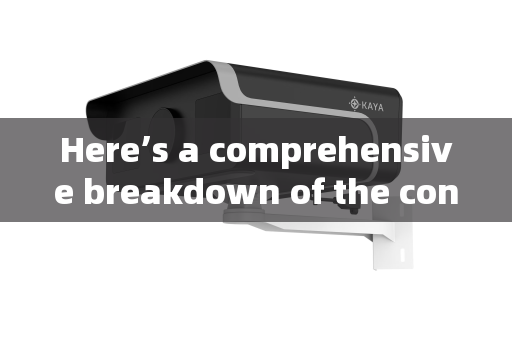
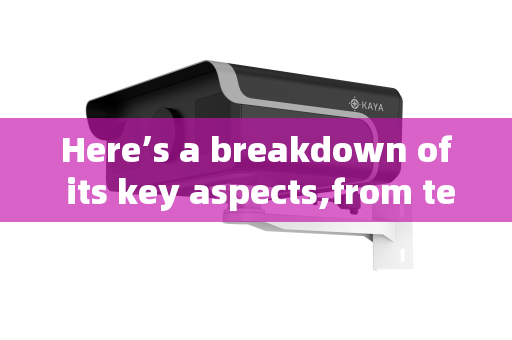
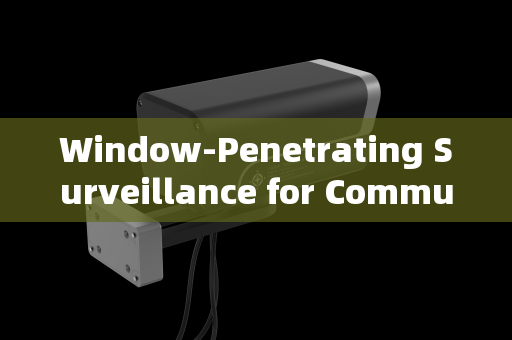
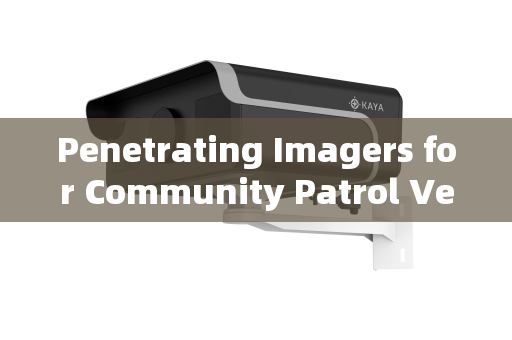
Penetration Imager Effect Images
In the demanding fields of emergency response, law enforcement, military operations, and security, the ability to see clearly through obscurants and barriers is not just an advantage—it is a critical, often life-saving, necessity. A Penetration Imaging System (PIS) represents a quantum leap in imaging technology, designed specifically to overcome the severe limitations of conventional cameras and human vision in challenging environments. But what exactly is a penetration imaging system? At its core, it is an advanced active imaging solution that utilizes Laser Range-Gated Imaging (LRGI) or "gated imaging" technology to achieve high-contrast visualization of targets through various media and under extreme low-light or no-light conditions.
Core Technology: The Principle of Gated Imaging
The fundamental innovation of a modern Penetration Imaging System lies in its sophisticated marriage of high-repetition-rate pulsed lasers and gated intensified cameras. Unlike passive systems that rely on ambient light or continuous illumination, a PIS actively illuminates the scene with short, powerful pulses of laser light. The system's true intelligence is in its precise nanosecond-level synchronization.
Here is how it works:
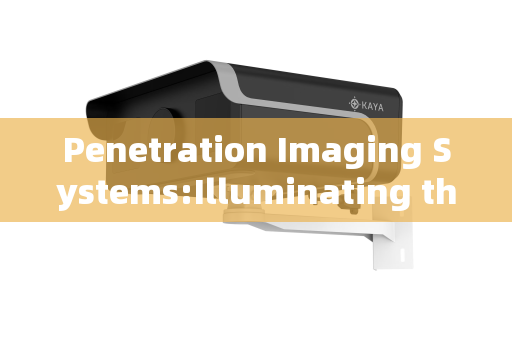
Penetration Imager Effect Images
- Pulsed Illumination: A pulsed laser emits a brief, intense burst of light towards the target area.
- Gated Detection: The system's key component, the gated intensifier camera, contains a high-speed optical shutter (the "gate") synchronized with the laser pulse. This gate only opens for an extremely short, precisely timed window—often less than 3 nanoseconds.
- Time-Slicing and Scatter Rejection: By carefully delaying the opening of the camera's gate relative to the laser pulse, the system selectively captures light returning from a specific "slice" of space at a desired distance. Light backscattered from particles close to the observer (like fog, smoke, or a dirty window) arrives earlier and is excluded while the gate is closed. Only the light reflected from the target at the specific range arrives during the open gate period and is amplified and captured.
- Image Reconstruction: This process is repeated rapidly, effectively "stacking" range slices to build a clear, high-contrast image of the target, free from the veiling effects of intervening media.
This time-of-flight discrimination grants PIS its remarkable capabilities: long imaging range, high range resolution, exceptional resistance to backscatter and glare, and powerful anti-interference characteristics.
System Components and Performance
A typical PIS comprises several high-precision modules:
- Pulsed Laser Illuminator: Provides the coherent, pulsed light source.
- Beam Expander: Shapes and projects the laser beam to uniformly illuminate the scene.
- Imaging Lens: Collects the returning light.
- Gated Intensified Camera: The heart of the system. It integrates a Microchannel Plate (MCP) Image Intensifier delivering optical gains exceeding 10^6, a high-voltage power supply, and precision timing and gating modules. These enable the ultra-fast shutter and synchronization precision better than 10 picoseconds, allowing for precise 3D information acquisition alongside 2D imaging.
Application Scenarios
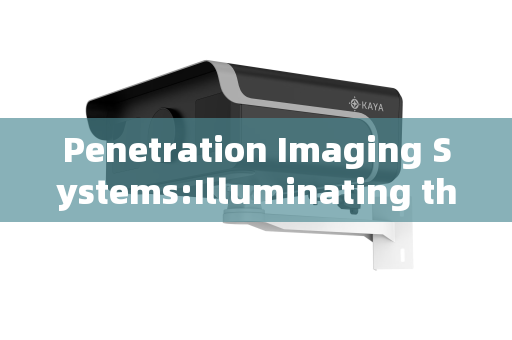
Penetration Imager Effect Images
The unique capabilities of Penetration Imaging Systems have opened transformative possibilities across multiple critical sectors.
Emergency Response & Firefighting: In urban and wildland firefighting, PIS enables first responders to "see through" dense smoke, flames, and steam to locate victims, identify structural integrity, and navigate zero-visibility environments, significantly improving rescue efficiency and reducing casualties. It is equally vital for mine rescue, water rescue, and national disaster response teams. Furthermore, it serves high-level training needs in live-fire training simulation systems and the protection of critical infrastructure like landmark buildings and training facilities.
Law Enforcement, Security & Military Operations: For police and special forces, PIS is a force multiplier. It allows for covert surveillance and tracking through windows, tinted glass, and curtain walls from a standoff distance. It is invaluable for counter-terrorism operations, evidence collection, tactical entry, drug interdiction, anti-smuggling operations, and checkpoint security (e.g., detecting vehicle overloading or concealed occupants). Its ability to penetrate various glazing (car windows, train glass, aircraft portholes) makes it indispensable for security screening and reconnaissance.
Coastal & Border Defense, Maritime Security: In maritime and border surveillance, adverse weather is a constant challenge. PIS excels at long-range imaging through fog, haze, rain, and snow, and provides strong glare suppression against sunlight reflection on water. This ensures the continuity of critical missions such as naval operations, port and harbor security, vessel approach monitoring, and coastal patrol activities, maintaining situational awareness when other sensors fail.
Conclusion
The Penetration Imaging System is far more than just a camera; it is a sophisticated photonic tool that manipulates light and time to reveal what was previously hidden. By leveraging advanced laser gating technology, it empowers first responders, law enforcement officers, and military personnel to operate effectively in the very conditions designed to obscure and hinder. As the technology continues to evolve, its integration into Smart City frameworks, Intelligent Security networks, and next-generation public safety platforms will further solidify its role as a cornerstone technology for preserving security and saving lives in an increasingly complex world.