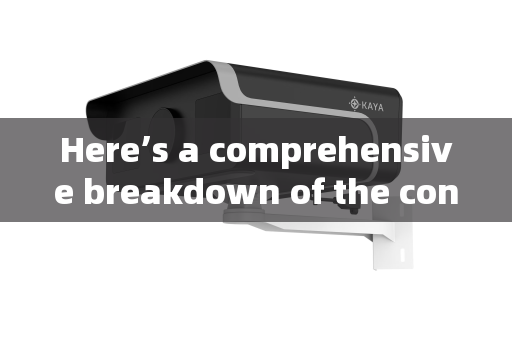
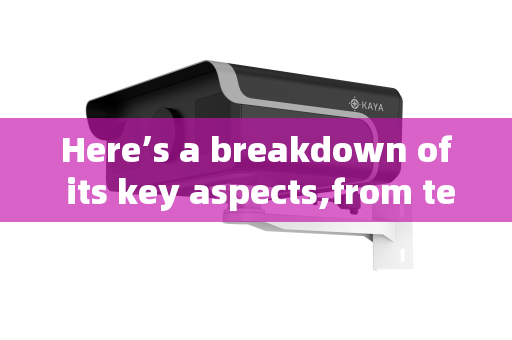
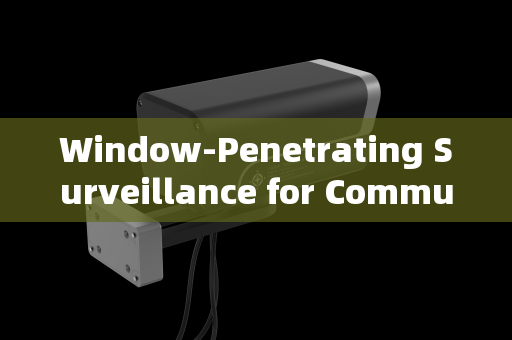
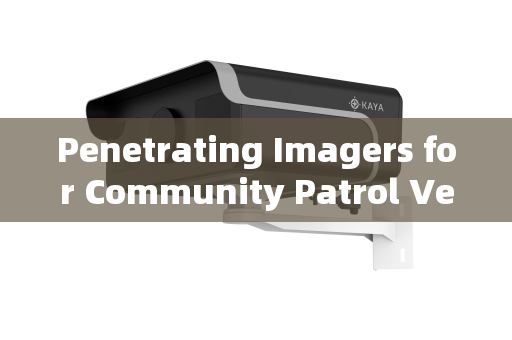
In the demanding fields of emergency response, law enforcement, and military operations, the ability to see clearly through visual obstructions is not just advantageous—it can be mission-critical and lifesaving. Vehicle windows present a significant challenge, acting as reflective barriers that can obscure threats, victims, or critical details within. Penetration imaging systems, leveraging advanced Laser Range-Gated Imaging (LRGI) technology, provide a revolutionary solution, cutting through this "glass veil" to deliver actionable intelligence where conventional optics fail.
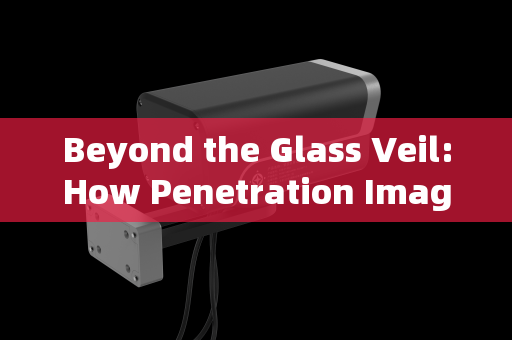
Penetration Imager Effect Images
Demystifying Penetration Imaging: Core Technology
At its heart, a penetration imaging system is a sophisticated active imaging device designed to defeat backscatter and specular reflections from transparent and semi-transparent media, such as vehicle windows, glass facades, or atmospheric obscurants (smoke, fog, rain). It achieves this through a precise, time-sliced methodology.
The system’s core components are a high-repetition-rate pulsed laser and a gated, intensified camera—often an Intensified Charge-Coupled Device (ICCD) camera. The process is a marvel of synchronization:
- Pulsed Illumination: The system emits extremely short, powerful bursts of laser light (nanosecond pulses) towards the target area.
- Precision Gating: The heart of the technology lies in the camera’s "gate." This is an ultra-fast optical shutter, typically based on a Microchannel Plate (MCP) image intensifier, capable of opening and closing in less than 3 nanoseconds.
- Time-Delay Synchronization: A precision timing module synchronizes the laser pulse and the camera gate with exquisite accuracy (better than 10 picoseconds). By introducing a carefully calculated time delay between the laser pulse and the opening of the camera gate, the system selects only the light returning from a specific "slice" of space.
- Rejecting Unwanted Light: Light reflecting off the windshield’s surface (the primary, unwanted backscatter) reaches the camera first. By keeping the camera gate closed during this initial return and only opening it slightly later, this blinding reflection is effectively blocked. The gate then opens precisely when the laser light that has travelled through the window, reflected off the interior objects (occupants, cargo), and returned back through the window arrives at the camera lens. This "sliced" light contains the desired scene information.
By rapidly stacking or scanning multiple such "time slices," the system builds a high-contrast image of the interior while suppressing the glare from the glass itself. The MCP intensifier provides over 10^6 optical gain, enabling clear imaging in pitch darkness or extremely low-light conditions.

Penetration Imager Effect Images
Overcoming the Automotive Window Challenge
Vehicle windows are problematic for standard cameras and night vision due to their reflectivity and potential tinting. Penetration imaging directly addresses this:
- Supressing Specular Reflection: The primary technical hurdle is the bright reflection of ambient light or the system’s own illuminator off the glass. The nanosecond-level gating actively filters out this reflection based on its time-of-arrival.
- Defeating Tint and Glare: The powerful, spectrally tailored laser illumination can penetrate various tints, while the gating rejects glare from external light sources (e.g., streetlights, sun).
- 3D Capability: By analyzing the precise time-of-flight of light for different scene elements, some advanced systems can extract high-precision 3D information, allowing for range mapping of a vehicle's interior.
Broad Application Matrix
This capability translates into powerful advantages across multiple domains:
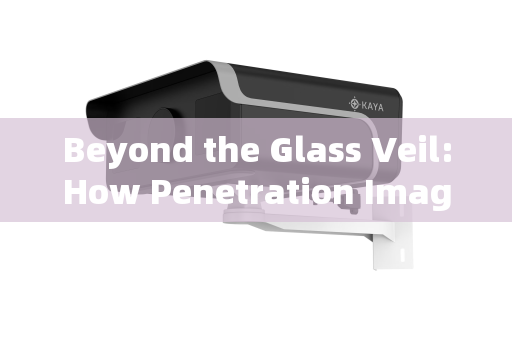
Penetration Imager Effect Images
Emergency & Rescue Services:
- Firefighting: For urban and wildland firefighting, it enables responders to see through smoke-obscured vehicle windows at accident scenes or search for occupants in structure fires from a safe distance, improving rescue efficiency and firefighter safety.
- Search and Rescue (SAR): In urban search and rescue (USAR), mountain rescue, or maritime rescue operations, it can peer through windows of damaged buildings or vehicles to locate victims without requiring physical entry.
- Training: Used in live-fire training facilities and simulations to monitor trainees through observation windows in total safety.
Law Enforcement & Security:
- Covert Surveillance/Reconnaissance: Enables standoff detection and intelligence gathering on suspects inside vehicles without alerting them, vital for counter-terrorism, drug interdiction, and VIP protection operations.
- Checkpoint & Vehicle Screening: At security checkpoints or during traffic stops, it can quickly identify the number of occupants, suspicious movements, or potential threats (weapons) through windows, enhancing officer safety during felony stops and tactical vehicle assaults.
- Crisis Response: In barricaded subject or hostage situations, it provides critical interior situational awareness through windows.
Military & Border Security:
- Reconnaissance and Targeting: Provides the ability for long-range surveillance and target acquisition through vehicle windows, building glass, or aircraft portholes.
- Border & Coastal Patrol: Enhances maritime domain awareness and port security by allowing inspection of ship cabin interiors from patrol boats or through obscurants like fog. Useful for non-compliant vessel boarding preparation and counter-smuggling operations.
- All-Weather Operation: The technology’s inherent ability to penetrate haze, light rain, and snow ensures operational continuity in adverse conditions for persistent surveillance.
Niche & Emerging Applications:
- Transportation Security: Potential for screening occupied high-speed train cabins or aircraft from the exterior.
- Subsurface Imaging: Certain configurations allow for underwater imaging, useful for hull inspections or subsea rescue.
Conclusion
Penetration imaging systems represent a paradigm shift in surveillance and reconnaissance capabilities. By mastering the dimension of time at the nanoscale, they effectively "see around" the visual obstruction presented by glass. From saving lives in fiery crashes to uncovering threats during covert police operations and ensuring dominance in maritime security, this technology empowers first responders, law enforcement, and military personnel to operate with unprecedented clarity and safety. As the technology matures and becomes more accessible, its role in smart city infrastructures, advanced threat detection systems, and integrated command and control platforms will only expand, solidifying its status as a cornerstone of modern security and emergency response toolkits.