Introduction
Penetration imaging systems represent a groundbreaking advancement in optical imaging technology, designed to overcome traditional limitations in low-visibility and harsh environmental conditions. By leveraging advanced laser range-gated imaging (or gated imaging) techniques, these systems combine high-repetition-rate pulsed lasers with intensified gated cameras to achieve high-contrast, long-range imaging. They excel in penetrating various media such as glass, smoke, fire, rain, snow, fog, and haze, making them indispensable for scenarios where conventional imaging fails. This article explores the diverse fields where penetration imaging systems are applied, emphasizing their role in enhancing safety, security, and operational efficiency across emergency services, law enforcement, and coastal defense.
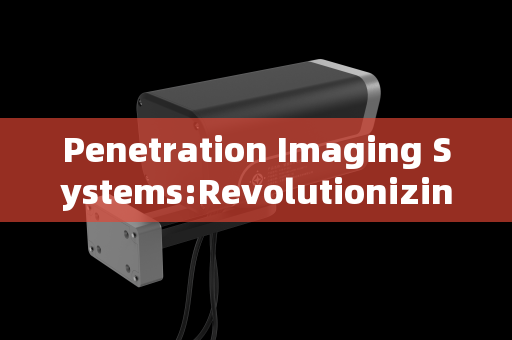
Penetration Imager Effect Images
Technical Overview of Penetration Imaging Systems
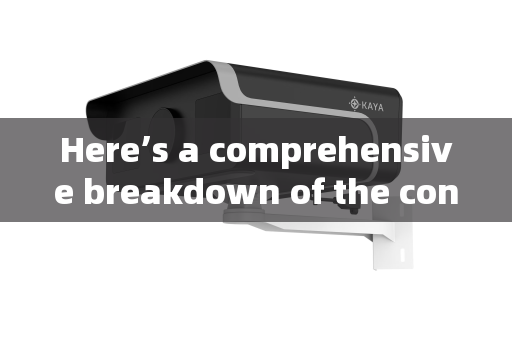
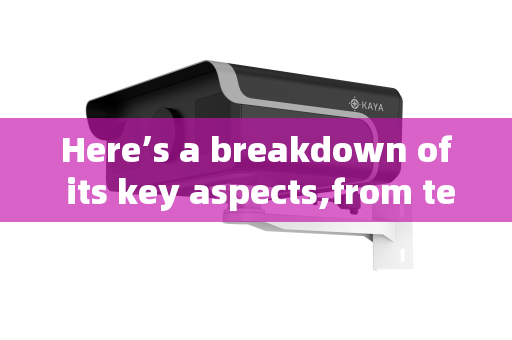
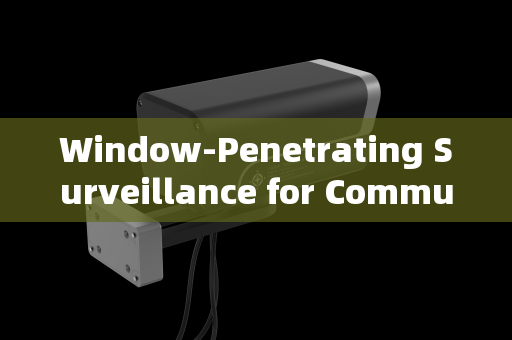
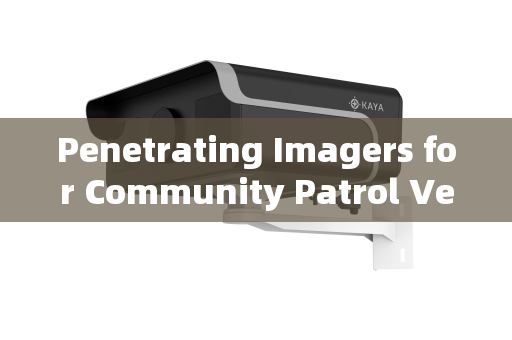
Penetration imaging systems utilize a sophisticated integration of "high-repetition-rate pulsed laser + intensified gated camera" technology. Through precise time synchronization between the nanosecond pulsed laser illumination and the gated camera, these systems perform slice-by-scan imaging of different spatial distances based on time delays. This process enables high-resolution 3D information acquisition with features like extended imaging range, high distance resolution, strong anti-interference capabilities, and effective suppression of backscatter. Key components include pulsed lasers, intensified gated cameras (equipped with microchannel plate intensifiers, high-voltage modules, timing modules, and gating circuits), beam expanders, and imaging lenses. The camera can achieve over 10^6 times optical gain, optical shutters faster than 3ns, and timing synchronization precision better than 10ps, ensuring reliable performance in extreme conditions. This technology allows for unobtrusive penetration through automotive windows, glass facades, special glass (e.g., in high-speed trains and aircraft), and other barriers, while also supporting underwater imaging.

Penetration Imager Effect Images
Applications in Emergency Response Scenarios
In emergency contexts, penetration imaging systems are vital for improving rescue efficiency and reducing casualties. They are deployed in:
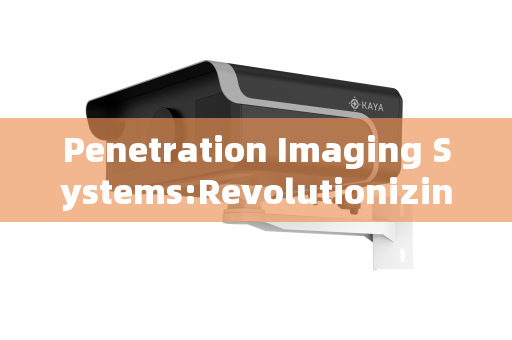
Penetration Imager Effect Images
- Urban and Wildland Firefighting: These systems enable firefighters to see through smoke, flames, and debris during structure fires or forest blazes, facilitating rapid victim localization and hazard assessment. They are integrated into search and rescue operations for urban fire departments and wildfire response teams.
- Disaster Rescue: In mining accidents, collapsed buildings, or hazardous material incidents, the systems provide clear imagery through dust, rubble, and chemical plumes, aiding rescue personnel in navigating dangerous environments.
- Water Rescue: For maritime or flood emergencies, penetration imaging assists in detecting submerged objects or individuals through murky water, enhancing dive team operations.
- Training and Infrastructure: They are used in fire training facilities, simulation systems for real-fire drills, and high-security buildings (e.g., landmarks or skyscrapers) to support advanced fire safety protocols and preparedness exercises.
Applications in Law Enforcement and Military Operations
Penetration imaging systems play a critical role in law enforcement, security, and defense, offering covert surveillance and enhanced situational awareness:
- Security and Counter-Terrorism: Agencies employ these systems for anti-terror operations, surveillance in low-light conditions, and penetrating vehicle windows or building glass during stakeouts or hostage situations. They aid in evidence collection, suspect tracking, and border patrol activities like drug interdiction and smuggling prevention.
- Public Safety and Traffic Management: Used for overload detection on vehicles, crowd monitoring during large events, and riot control, the systems help maintain public order. They are also integral to smart city initiatives, integrating with智慧安防 (smart security) and智慧公安 (smart policing) networks for proactive crime prevention.
- Military Engagement: In combat zones, penetration imaging supports reconnaissance, target acquisition, and operations in adverse weather (e.g., sandstorms or heavy rain), ensuring mission success with minimal risk to personnel.
Applications in Coastal and Border Defense
For maritime and border security, penetration imaging systems ensure operational continuity in challenging conditions:
- Maritime Surveillance: They enable long-range imaging through fog, mist, and glare on the water, assisting in ship identification, port security, and navigation during poor visibility. This is crucial for coastal patrols, smuggling interdiction, and defense operations in hostile environments.
- Border Protection: Along land borders, the systems detect intrusions through foliage, smoke, or adverse weather, supporting border guards in monitoring remote areas and preventing illegal crossings.
Benefits and Future Prospects
The advantages of penetration imaging systems include their adaptability to extreme environments, ability to provide real-time intelligence, and compliance with stealth requirements (e.g., unobtrusive penetration without alerting targets). As technology evolves, these systems are poised for broader adoption in sectors like industrial inspection (e.g., through opaque materials), environmental monitoring, and aerospace. Their integration with AI and IoT platforms could further enhance applications in smart infrastructure and autonomous systems.
Conclusion
Penetration imaging systems are transformative tools with wide-ranging applications in emergency response, law enforcement, and coastal defense. By overcoming visibility barriers in glass, fire, smoke, and adverse weather, they empower professionals to perform safer and more effective operations. As global challenges in security and disaster management grow, the demand for these systems will likely expand, solidifying their role as a cornerstone of modern surveillance and rescue technologies.