Border security remains a paramount concern for nations worldwide, with smuggling activities—ranging from narcotics and weapons to human trafficking—posing persistent and evolving threats. Traditional surveillance methods often fall short in extreme conditions, such as darkness, fog, smoke, or when suspects employ concealment tactics behind barriers like tinted vehicle windows or specialized glass. This is where advanced Penetration Imaging Systems emerge as a critical technological force multiplier for modern border reconnaissance and interdiction operations.
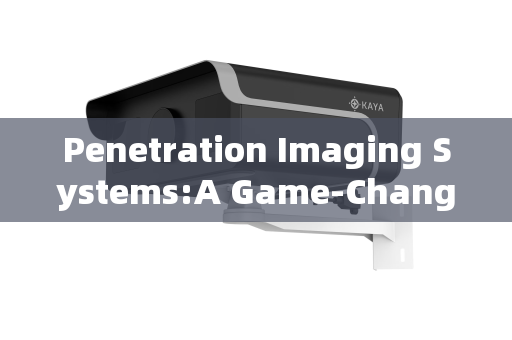
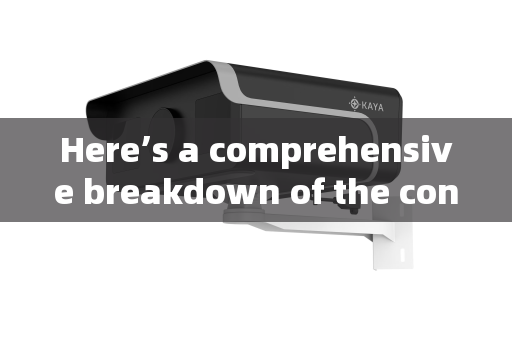
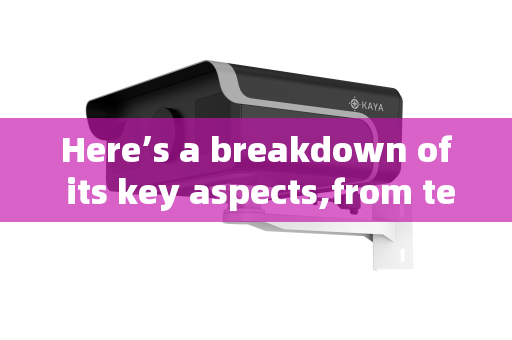
Penetration Imager Effect Images
Understanding Penetration Imaging Technology
At its core, a penetration imaging system is not a conventional camera. It is a sophisticated electro-optical system built upon Laser Range-Gated Imaging (LRGI) or gating technology. The system innovatively integrates a high-repetition-rate pulsed laser with a gated intensified camera. The principle involves emitting ultra-short, nanosecond-duration laser pulses toward a target scene. The system’s camera, synchronized with picosecond-level precision, acts as an ultrafast optical shutter. It opens only for a precise, delayed time window corresponding to the return of light from a specific "slice" of distance. By progressively scanning through these time-distance slices, the system constructs a high-contrast image of the target zone.
This method effectively eliminates backscatter from obscurants like fog, smoke, rain, or snow that plague standard imaging. Furthermore, by tuning the gate delay, the system can selectively image through transparent and semi-transparent barriers—such as vehicle windows, glass幕墙, aircraft portholes, or train windows—ignoring the reflection from the glass surface itself to reveal the concealed interior.
Technical Prowess for Demanding Environments
The hardware suite typically comprises a pulsed laser, a beam expander, an imaging lens, and the crucial gated intensified camera. This camera incorporates a Microchannel Plate (MCP) image intensifier, delivering optical gains exceeding 10^6, coupled with high-voltage and precision timing modules. This enables an optical shutter speed of less than 3 nanoseconds and synchronization precision better than 10 picoseconds. The result is a system capable of:
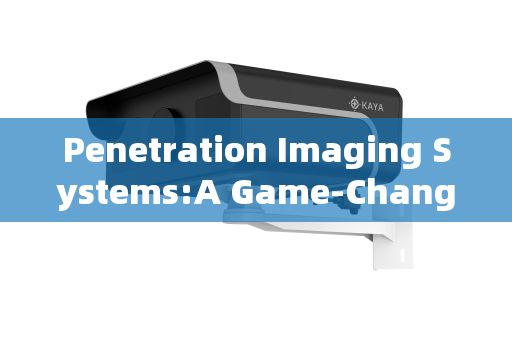
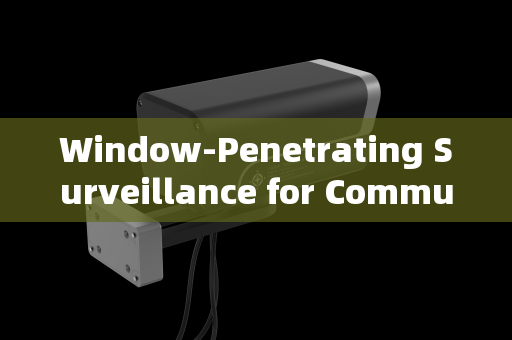
Penetration Imager Effect Images
- Long-Range, High-Resolution Imaging: Detecting and identifying targets at significant distances, even in pitch darkness.
- Superior Penetration Capability: Seeing through various media including glass, flames, and atmospheric obscurants with minimal signal degradation.
- Strong Anti-Interference Ability: Resisting glare, ambient light pollution, and deliberate counter-surveillance measures.
- 3D Information Potential: Providing accurate distance data for each pixel, enhancing situational awareness.
The Critical Role in Border Smuggling Reconnaissance
In the context of border and coastal security, penetration imaging systems transform reconnaissance capabilities in several key areas:
Covert Vehicle and Cargo Inspection: Smugglers frequently use modified vehicles with hidden compartments or heavily tinted windows. Stationary or mobile penetration imagers can scan vehicles at checkpoints or from a standoff distance, passively "looking through" windows and certain container walls to detect concealed contraband, weapons, or irregular human cargo without alerting the occupants. This enables targeted interdiction based on actionable intelligence.
All-Weather, Day/Night Coastal and Border Surveillance: Maritime smuggling often exploits poor weather for cover. These systems' ability to penetrate fog, mist, and haze ensures continuous surveillance of coastal waters, ports, and remote border regions. They can monitor vessel approaches, identify suspicious night-time activities on beaches or unmarked trails, and track movement through smoke from wildfires or deliberate smokescreens.
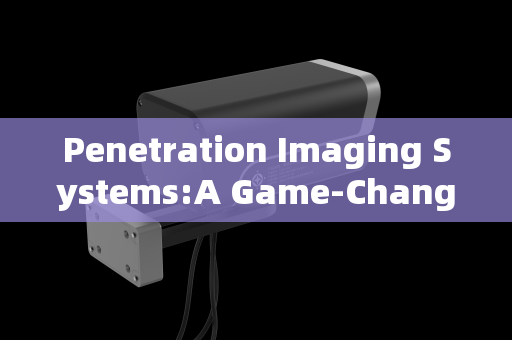
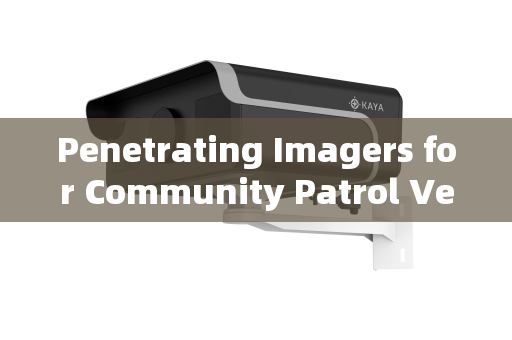
Penetration Imager Effect Images
Overcoming Environmental and Man-Made Obstacles: Borders span diverse terrains. Whether it's seeing through light foliage, dust storms, or the glare off water or snow, penetration imagers maintain operational effectiveness. They can also peer into structures like warehouses near border zones or through the windows of trains and aircraft being used for smuggling routes.
Enhanced Safety for Law Enforcement Personnel: By providing clear intelligence at a distance, these systems allow reconnaissance and evidence-gathering from a safe standoff position. Officers can assess a potentially hostile situation—such as a suspected smuggling vehicle or a vessel—before initiating close-contact operations, thereby reducing risk.
Integration with Broader Security Infrastructures: As a powerful sensor, penetration imaging data can feed into Command and Control (C2) centers, AI-powered analytics platforms for automatic threat detection, and broader Homeland Security ecosystems. This integration is vital for the "Smart Border" and "Smart Coastline" concepts, creating a layered, technology-driven defense.
Application in Related Domains
The value of this technology is further proven in adjacent law enforcement and emergency response fields, which share similar operational challenges with border agencies:
- Police & Counter-Terrorism: Used for hostage rescue situational awareness through windows, evidence collection in low-light crime scenes, and surveillance in counter-narcotics or counter-terrorism operations.
- Fire & Rescue: Enables firefighters to "see through" smoke and flames during urban or wildland firefighting, locating victims and identifying structural hazards, directly saving lives.
Conclusion
The penetration imaging system is far more than just a camera; it is a decisive reconnaissance asset that pierces the veils of darkness, weather, and concealment favored by smuggling networks. By delivering reliable, high-resolution visual intelligence in conditions where traditional methods fail, it empowers border security forces to proactively detect, deter, and disrupt illicit cross-border activities. As smuggling tactics grow more sophisticated, the continued deployment and advancement of such cutting-edge electro-optical surveillance tools will be instrumental in maintaining the integrity of national borders and ensuring homeland security. Its role is not merely supportive but is increasingly becoming foundational to modern, effective border reconnaissance strategies.