Penetration Imaging Systems: A Critical Technological Enabler in Border Security and the Interception of Illegal Immigration**
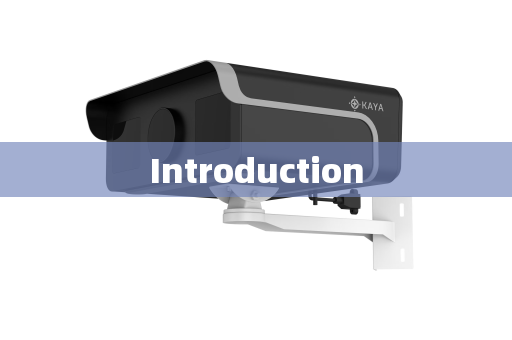
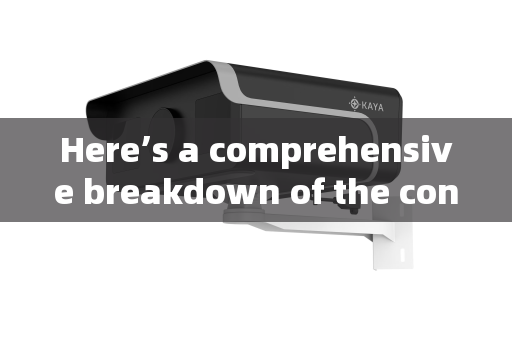
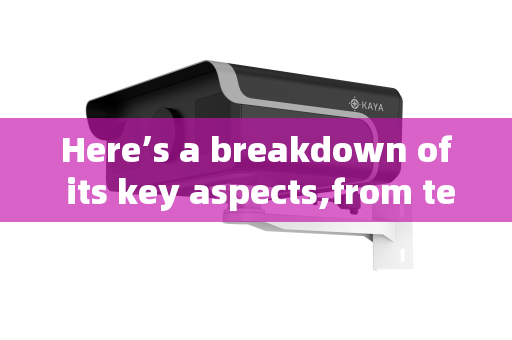
Penetration Imager Effect Images
Border security remains a paramount challenge for nations worldwide, tasked with balancing open yet secure frontiers against threats ranging from terrorism to transnational crime, including the critical issue of unauthorized migration. Interdicting illegal immigration requires not only personnel and physical barriers but also sophisticated technological solutions capable of detecting clandestine entries, often attempted under the cover of darkness, adverse weather, or within concealed compartments of vehicles. Among the most advanced tools emerging in this domain is the penetration imaging system. Leveraging cutting-edge laser range-gated imaging technology, these systems are redefining surveillance and interdiction capabilities, offering a decisive advantage in the persistent cat-and-mouse game along vast and often inhospitable border regions.
Understanding Penetration Imaging Technology
At its core, a penetration imaging system is designed to "see the unseen." It is not a conventional camera but a sophisticated active imaging platform that overcomes the fundamental limitations of passive visible-light and thermal imaging, especially in scenarios involving obstructions and environmental degradation.
The system’s operational principle is based on Laser Range-Gated Imaging (LRGI), or gated imaging technology. It innovatively combines a high-repetition-rate pulsed laser with a gated image-intensified camera. The process is meticulously timed: the system emits a powerful, ultrashort (nanosecond-scale) pulse of laser light. The gated camera’s shutter, synchronized with nanosecond and even picosecond precision, opens only for a fleeting moment exactly when the light reflected from a specific, pre-selected distance "slice" of space returns. By sequentially adjusting this time delay, the system effectively scans and stacks multiple distance slices, building a clear, high-contrast image of the target area.
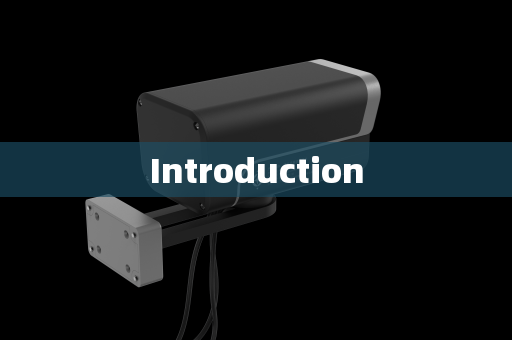
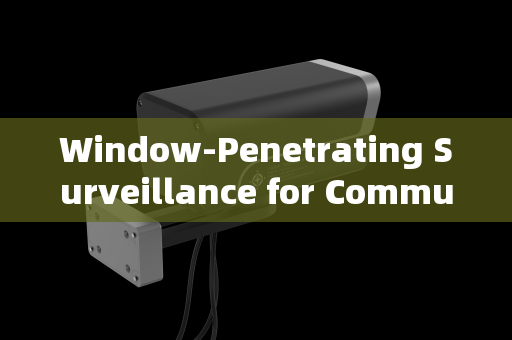
Penetration Imager Effect Images
This methodology confers several breakthrough capabilities:
- Superior Penetration: It can "see through" various obscurants and interfaces that scatter or block light, including vehicle windows (car, train, aircraft), certain types of特种玻璃 (special glass), smoke, fog, haze, rain, snow, and even flames. This allows inspection of vehicle interiors without physical contact.
- Extended Range & High Resolution: It achieves long imaging ranges with high spatial and distance resolution, crucial for monitoring wide border areas.
- Overcoming Backscatter: A major limitation for conventional laser or light-based systems in poor weather is backscatter from particles close to the source. By gating out this early-returning light, the system effectively eliminates this "veiling glare," providing a clear view of the distant target.
- All-Weather, All-Light Operation: It functions effectively in complete darkness, low-light conditions, and through most meteorological adversities.
The system's hardware typically comprises a pulsed laser illuminator, a gated/intensified camera (featuring a Microchannel Plate (MCP) image intensifier for gains exceeding 10^6, high-voltage and timing modules enabling shutter speeds below 3ns and synchronization precision better than 10ps), beam expanders, and imaging lenses. This setup allows for precise 3D information acquisition of targets.
Application in Border Interception of Illegal Immigrants
In the specific context of border security, penetration imaging systems play a transformative, multi-faceted role:
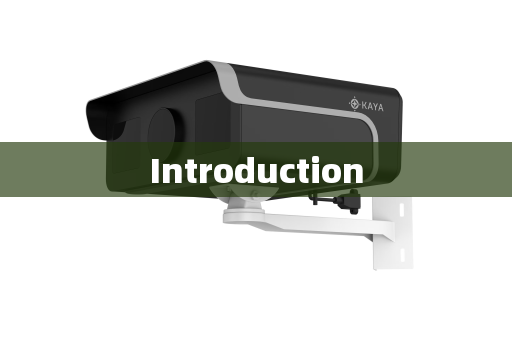
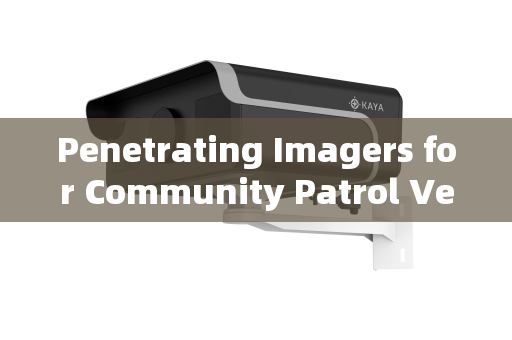
Penetration Imager Effect Images
-
Non-Invasive Vehicle Interrogation and Concealment Detection: At vehicle checkpoints or through long-range surveillance of border roads, these systems can scan approaching or stationary vehicles. They can penetrate standard car windows, tinted glass, and even some modified panels to reveal the number, location, and posture of occupants inside trunks, cargo holds, or hidden compartments. This allows officers to identify potential human smuggling loads—instances of overcrowding (overloading) or concealed stowaways—without necessitating a physical search until a high-probability alert is generated, enhancing both efficiency and officer safety.
-
Long-Range, All-Weather Border Zone Surveillance: Mounted on fixed towers, mobile units, or aerial platforms (UAVs), these systems provide persistent wide-area monitoring. Their ability to perform long-range fog-penetration imaging and glare suppression is invaluable. Border patrols can detect and track the movement of individuals or groups attempting crossings at night, through dense fog over mountainous terrain, or in sandstorms/rain, conditions where traditional thermal imagers may suffer from reduced contrast and range. This enables early warning and interception before the border is breached.
-
Enhanced Maritime and Riverine Border Security: For coastal borders or those defined by rivers/lakes, the system's capability for strong light suppression is critical for countering dazzle from other vessels or shore lights. Combined with fog/rain penetration, it ensures continuous surveillance during ship docking, port approaches, and general maritime patrols, helping to intercept vessels used for illicit human trafficking even in poor visibility.
-
Integration with Broader Security and "Smart Border" Architectures: Penetration imaging feeds high-quality, actionable intelligence into broader Smart Border, Smart Security, and Smart Policing ecosystems. The data can be fused with radar tracks, thermal camera feeds, seismic sensors, and AI-driven analytics to create a comprehensive common operational picture. This aids in investigation and evidence collection (forensics), controlled interdiction operations (anti-smuggling/anti-trafficking raids), and strategic deployment of resources.
-
Countering Evasion Tactics: Smugglers often use darkness and bad weather as allies. By nullifying these advantages, penetration imaging systems directly counter these evasion tactics. Their ability to detect targets through light foliage or thin cover adds another layer of difficulty for those attempting stealthy crossings.
Conclusion
The penetration imaging system is far more than just a new camera; it is a force multiplier in border security architecture. By delivering clear, actionable visual intelligence in conditions that would blind other sensors, it plays an indispensable role in the interdiction of illegal immigration. It transforms night into day, sees through obscurants, and reveals hidden threats within vehicles. From checkpoint security (security inspection) to wide-area surveillance (reconnaissance and surveillance), and from maritime domain awareness to integrated command and control systems, its contributions are vital. As border threats evolve in sophistication, the deployment of such advanced, physics-defying technologies is not merely advantageous but essential for maintaining sovereign control, ensuring security, and upholding the rule of law in increasingly complex operational environments.