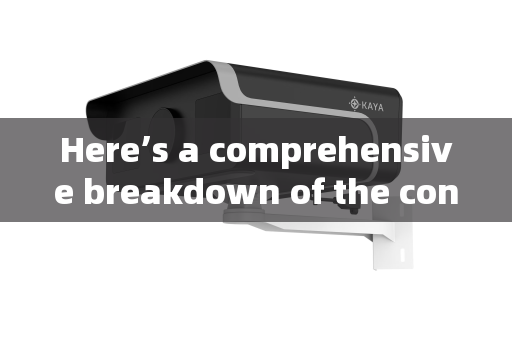
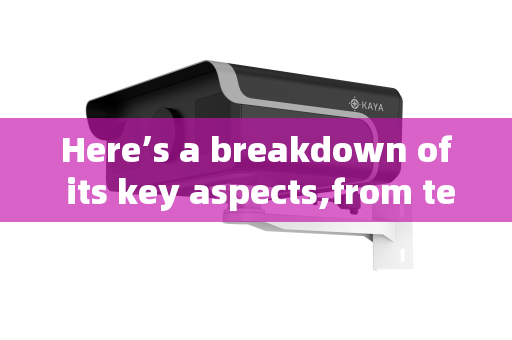
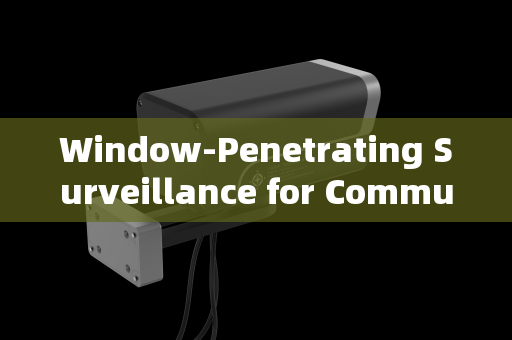
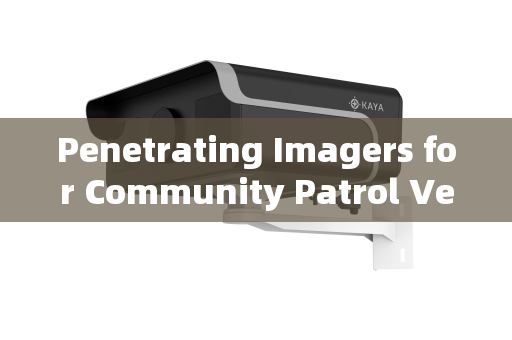
Penetration Imaging Systems: Revolutionizing Surveillance and Reconnaissance Against Illegal Activities in High-Rise Financial Buildings In the evolving landscape of global security, high-rise financial buildings represent both symbols of economic power and high-value targets for illicit activities. These structures, often clad in extensive glass幕墙, house sensitive operations, valuable assets, and critical data, making them potential venues for corporate espionage, financial fraud, terrorism, and other clandestine operations. Traditional surveillance methods, challenged by glass obstructions, low-light conditions, and environmental factors, can leave significant blind spots. This is where advanced Penetration Imaging Systems (PIS), leveraging cutting-edge Laser Range-Gated Imaging (LRGI) technology**, are playing an increasingly pivotal role in monitoring and reconnaissance, offering unparalleled capabilities to law enforcement, security agencies, and building management.
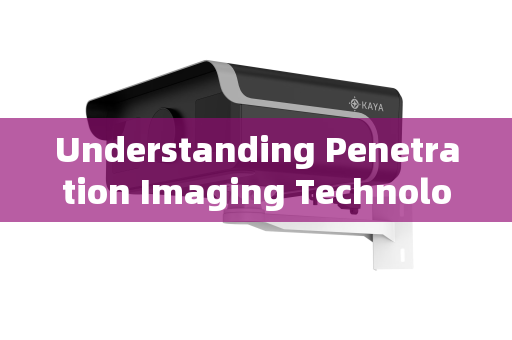
Penetration Imager Effect Images
At its core, a Penetration Imaging System is a sophisticated electro-optical device designed to "see through" visual obstructions and adverse conditions. Its operational principle is based on Gated Imaging Technology. The system integrates a high-repetition-rate pulsed laser with an intensified gated camera. By emitting ultra-short (nanosecond) laser pulses and precisely synchronizing the camera's optical shutter to open only for the brief moment when the reflected light from a specific distance "slice" returns, the system effectively rejects unwanted backscatter from intervening media like fog, smoke, or, critically, glare and reflections from glass surfaces.
This time-slicing, or "stack-scanning," of space allows for the construction of high-contrast images with exceptional range resolution. Key components include a pulsed laser, a beam expander, an imaging lens, and the crucial Intensified Gated Camera. This camera incorporates a Microchannel Plate (MCP) image intensifier, high-voltage modules, and precision timing circuitry, enabling optical gains exceeding 10^6, ultra-fast gating (below 3ns), and timing synchronization precision better than 10 picoseconds. This facilitates not only high-quality 2D imaging through obstructions but also the acquisition of precise 3D spatial data of targets.
The Imperative for Advanced Surveillance in Financial Towers
Financial high-rises are uniquely vulnerable. Their glass facades, while architecturally striking, can shield internal activities from standard CCTV and visual patrols. Illegal activities may include:
- Covert Surveillance/Espionage: Competitors or state actors using rooms to monitor trading floors or executive offices.
- Illegal Monitoring/Data Theft: Installation of unauthorized listening or transmission devices.
- Perimeter Breach & Intrusion: Unauthorized access to restricted floors, especially during off-hours.
- Hostage Situations or Barricaded Subjects: Critical for situational awareness during violent incidents.
- Contraband Storage/Hidden Compartments: Concealment of illicit goods, documents, or weapons within office spaces.
- Terrorist Reconnaissance or Pre-Attack Planning.
Standard optical systems fail in low-light, at long range, or when faced with reflections from multiple glass panes (e.g.,双层幕墙, tinted windows, or specialized security glass).
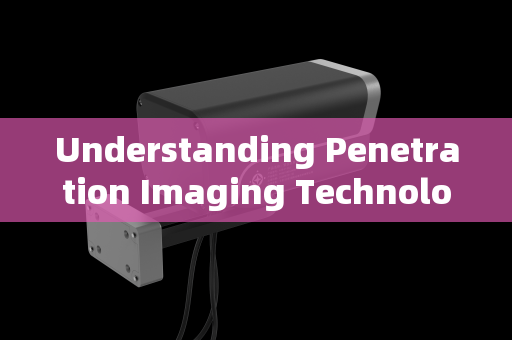
Penetration Imager Effect Images
Application in Monitoring and Reconnaissance Operations
Penetration Imaging Systems transform the approach to securing these environments:
-
Long-Range, Non-Intrusive Reconnaissance: Security teams or law enforcement can operate from a concealed position hundreds of meters away—from another building, a ground vehicle, or an aerial platform. The PIS can "see through" the external glass幕墙, providing a clear view into offices, lobbies, or atrium spaces without alerting occupants. This is invaluable for covert surveillance, verifying intelligence, or conducting pre-raid assessments of illegal operations.
-
All-Weather, All-Condition Operation: Financial districts are often located in coastal or metropolitan areas prone to fog, smog, rain, or snow. The LRGI technology's inherent ability to suppress backscatter ensures operational continuity in these adverse weather conditions, a critical factor for persistent surveillance.
-
Overcoming Light Challenges: Many illegal activities occur at night under minimal lighting. The extreme sensitivity of the intensified camera, combined with active laser illumination, enables effective low-light and no-light imaging. This allows for 24/7 monitoring capability without revealing the surveillance effort through visible light sources.
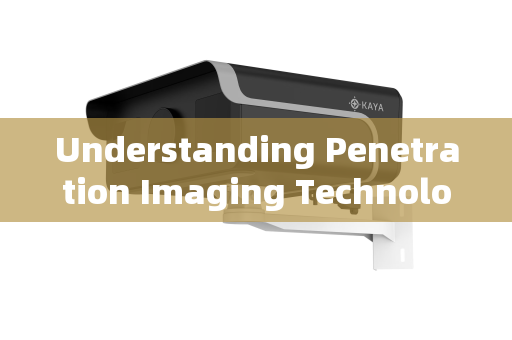
Penetration Imager Effect Images
-
Enhanced Situational Awareness for Emergency Response: In scenarios like an active shooter, terrorist attack, or fire, PIS can be deployed by SWAT teams, counter-terrorism units, or tactical response teams. The ability to penetrate smoke inside a building or see through fire-affected windows provides commanders with real-time intelligence on threat locations, hostage situations, or trapped individuals, directly informing breach strategies and rescue operations, thereby reducing responder risk and civilian casualties.
-
Integration with Broader Security and "Smart City" Ecosystems: As part of a Smart Security or Intelligent Policing framework, PIS can be integrated with other sensors (acoustic, RF), AI-powered analytics, and command-and-control centers. Automated detection of anomalous behaviors (e.g., unusual movement in a secured server room after hours) through穿透 imaging can trigger alerts for further investigation.
Broader Context: A Multi-Role Platform
The utility of PIS extends beyond financial buildings, underscoring its value for agencies responsible for their security. In urban and forest firefighting, it locates victims through flame and smoke. In maritime and border security, it enables long-range identification through fog. For counter-narcotics and anti-smuggling operations, it can inspect vehicles and containers. This multi-role capability makes it a cost-effective force multiplier for agencies facing diverse threats.
Conclusion
The penetration imaging system is no longer speculative technology but a critical tool in the modern security arsenal. For the unique and high-stakes environment of high-rise financial buildings, it fills a crucial gap in surveillance and reconnaissance capabilities. By enabling long-range, non-detectable, all-condition visual intelligence gathering through glass and other obscurants, it empowers authorities to proactively monitor for illegal activities, conduct safer and more effective interventions, and ultimately protect vital economic infrastructure and human life. As threats evolve, the fusion of such advanced imaging with AI and networked systems will define the next generation of architectural security, making financial skyscrapers not just smarter, but truly transparent to those sworn to protect them.