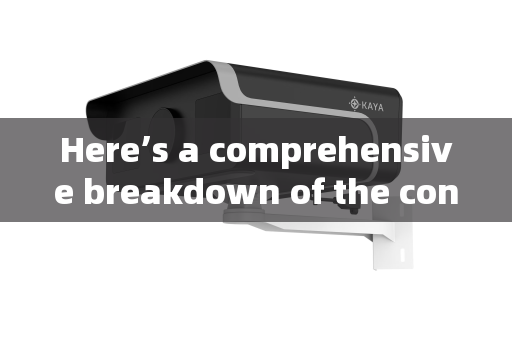
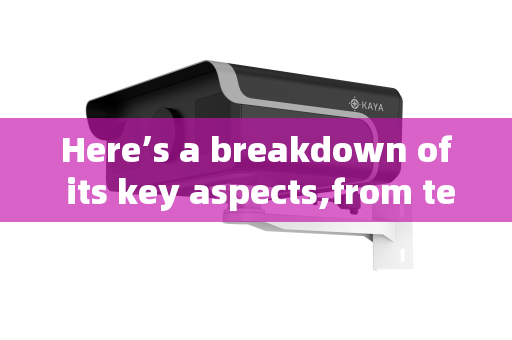
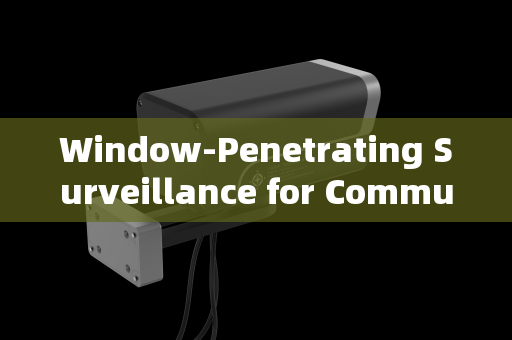
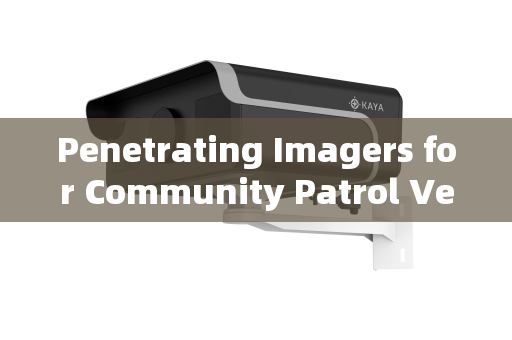
In the ever-evolving landscape of global aviation, ensuring the highest levels of security is a paramount, non-negotiable priority. Traditional surveillance methods, while effective in many scenarios, often encounter limitations in extreme or obscured conditions. This is where advanced penetration imaging systems emerge as a game-changing technological asset, playing an increasingly vital role in comprehensive airport security monitoring and threat mitigation.
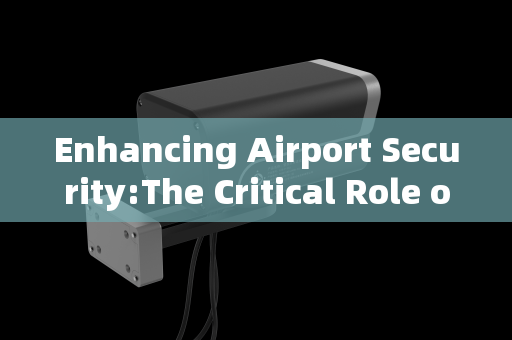
Penetration Imager Effect Images
Understanding Penetration Imaging Technology
A penetration imaging system is not a conventional camera. It is a sophisticated apparatus designed to acquire visual intelligence through obstacles and in environments where standard imaging fails. At its core, it utilizes advanced Laser Range-Gated Imaging (LRG) or gated imaging technology. The system innovatively combines a high-repetition-rate pulsed laser with a gated intensifier camera. By achieving precise nanosecond-level synchronization between the laser pulses and the camera’s shutter, the system can selectively image specific "slices" of space based on time-of-flight delay. This process, akin to stacking scanned slices, allows it to isolate targets at a desired distance while effectively suppressing backscatter from intervening particulates.
This technological foundation grants penetration imaging systems exceptional capabilities:
- Extended Imaging Range & High Distance Resolution: Capable of long-range target detection with precise depth information.
- Superior Anti-Interference & Backscatter Suppression: Effectively overcomes performance degradation caused by atmospheric clutter.
- All-Weather, All-Condition Operation: Maintains functionality in low-light, no-light, and through various obscurants such as smoke, fog, haze, rain, and snow.
- Non-Invasive "See-Through" Capability: A defining feature is the ability to passively and discreetly penetrate transparent and semi-transparent barriers like aircraft cabin windows (aircraft portholes), terminal glass facades, laminated security glass, and vehicle windshields, enabling observation of interior spaces without physical intrusion.
Core Components and Performance The system typically comprises a pulsed laser, a gated intensifier camera (featuring a Microchannel Plate - MCP, high-voltage module, timing module, and gating circuitry), beam expanders, and imaging lenses. The intensifier camera is key, providing over 10^6 optical gain, an ultra-fast optical shutter (<3 ns), and exceptional timing synchronization precision (better than 10 ps), enabling high-fidelity 3D information acquisition of targets.
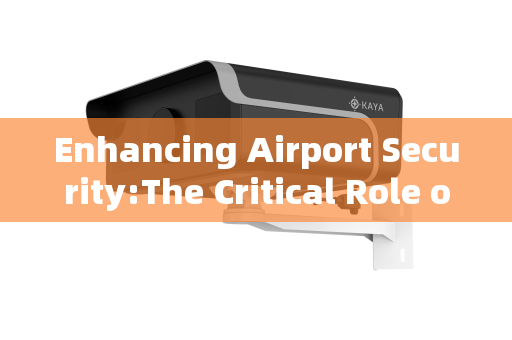
Penetration Imager Effect Images
Application in Airport Security Monitoring
Within the complex ecosystem of an airport, penetration imaging systems serve multiple critical functions:
-
Perimeter and Apron Surveillance: They provide robust, 24/7 monitoring of airport perimeters, taxiways, and aprons, even in dense fog, heavy rain, or darkness. Their ability to suppress glare from ground lights or aircraft landing lights ensures clear visibility, detecting unauthorized intrusions or suspicious activities near parked aircraft or sensitive infrastructure.
-
Terminal Building Security: Large terminal buildings with extensive glass curtain walls present a monitoring challenge. These systems can look through terminal windows from an external vantage point, aiding in internal situational awareness during security incidents, tracking individuals of interest, or conducting discrete observation without alerting subjects inside.
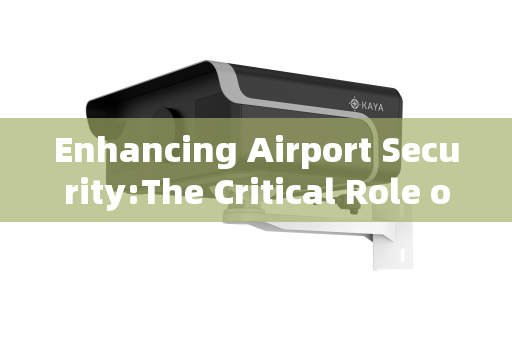
Penetration Imager Effect Images
-
Aircraft Ground Inspection and Security: A highly sensitive application involves the discreet inspection of aircraft on the ground. From a standoff position, security personnel can use penetration imaging to screen the interior of an aircraft through its portholes before cleaners or maintenance crews board, or after it has been parked in a remote bay, checking for potential stowaways, suspicious items left behind, or unauthorized personnel.
-
Vehicle Control Point Enhancement: At vehicle entry points to secure areas, these systems can scan the interiors of approaching vehicles (trucks, fuel tankers, catering vans) through windshields and side windows, identifying potential threats like concealed individuals or illicit materials without impeding traffic flow.
-
Emergency Response and Crisis Management: In the event of a fire, hazardous material release, or smoke-filled environment within a terminal or hangar, penetration imaging becomes an invaluable tool for fire and rescue teams. It allows them to see through smoke and flames to locate trapped individuals, assess structural integrity, and plan safe ingress routes, significantly improving firefighting efficiency and rescue outcomes, thereby reducing casualties.
-
Counter-Terrorism and Law Enforcement Operations: For counter-terrorism units and airport police, the system supports covert surveillance, evidence gathering, and suspect tracking. Its ability to operate in darkness and penetrate glass makes it ideal for monitoring meeting points, observing suspect behavior in vehicles, or during high-risk arrest scenarios in and around the airport complex.
Broader Context and Synergy
The value of penetration imaging extends beyond the airport fence, aligning with its proven roles in urban and wildland firefighting, search and rescue (SAR) operations, maritime and border security (for long-range, haze-penetrating coastal surveillance), and broader law enforcement and military applications such as anti-smuggling operations and tactical missions. This cross-domain efficacy underscores its reliability and robustness.
In conclusion, within the multi-layered defense strategy of modern airport security, penetration imaging systems fill a unique and critical niche. They provide security forces with "eyes" where traditional surveillance is blind—through darkness, adverse weather, and concealing barriers. By delivering actionable intelligence in extreme conditions and enabling non-invasive inspection of sensitive spaces like aircraft interiors, these systems enhance proactive threat detection, accelerate emergency response, and ultimately fortify the security umbrella protecting passengers, personnel, and vital national transportation infrastructure. Their integration represents a significant leap towards smarter, more resilient, and more effective airport security ecosystems.