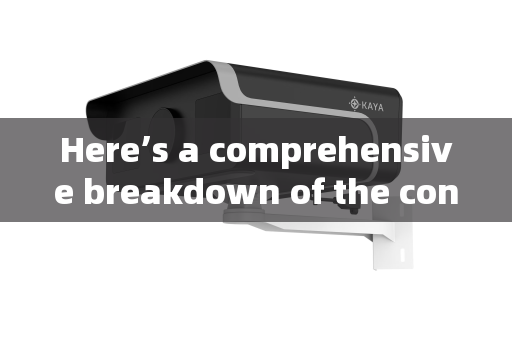
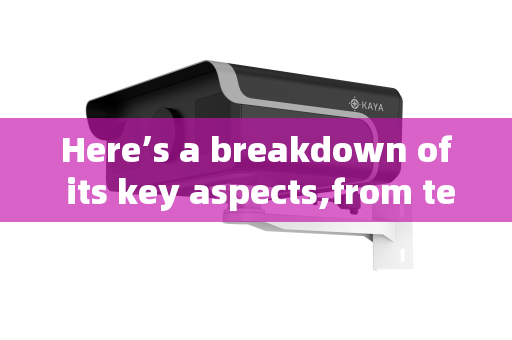
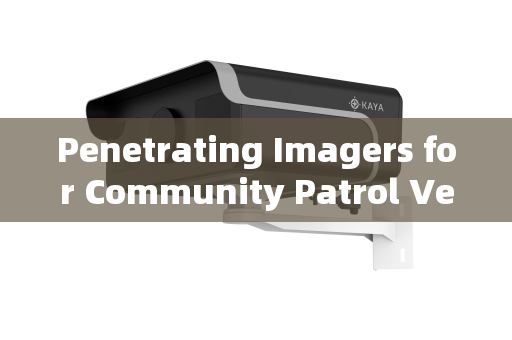
In the high-stakes realm of tactical operations, particularly direct-action raids, success is overwhelmingly determined by the quality and accuracy of intelligence available before boots hit the ground. The pre-assault reconnaissance phase is critical, aiming to gather definitive visual confirmation of targets, ascertain threats, map interior layouts, and identify non-combatants—all while maintaining the element of surprise. Traditional optical systems often fail in the low-visibility, obscured, or covert conditions typical of such scenarios. This is where advanced Penetration Imaging Systems (PIS), leveraging cutting-edge Laser Range-Gated Imaging (LRGI) technology, are revolutionizing pre-raid intelligence, surveillance, and reconnaissance (ISR).
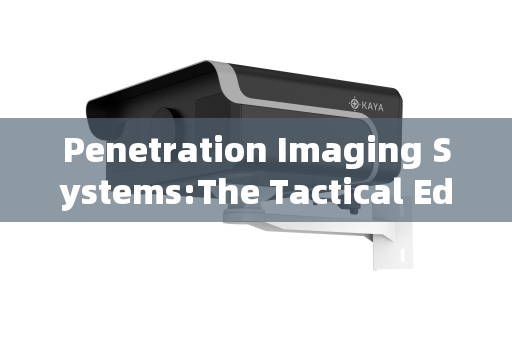
Penetration Imager Effect Images
Understanding the Technology: Seeing Through the Unseeable
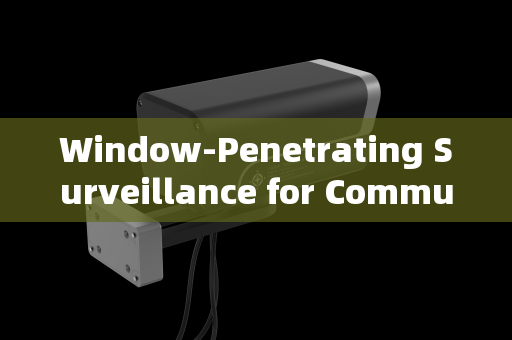
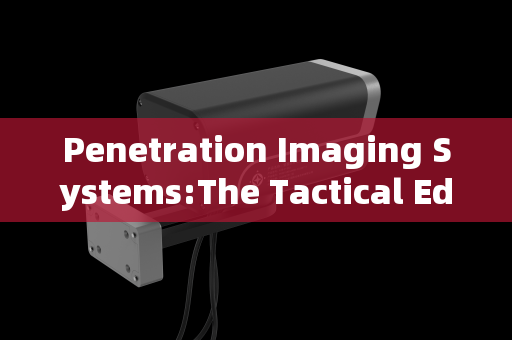
At its core, a Penetration Imaging System is not a conventional camera or thermal imager. It is an active imaging system designed to defeat visual obstructions. Its operation hinges on the precise synchronization of a high-repetition-rate pulsed laser and a gated intensifier camera. The laser emits extremely short, powerful pulses of light. The camera’s sensor, or "gate," is synchronized to open only for a correspondingly brief nanosecond-scale window, timed to the exact moment the laser pulse reflects off a target at a specific distance.
This process, known as time-slicing or stack-scanning, allows the system to selectively image a thin "slice" of space, rejecting all scattered light from obscurants (like smoke, fog, or window glare) in front of and behind that slice. By rapidly scanning through different time delays (and thus distances), the system builds a high-contrast, detailed image of the target zone. Key components include the pulse laser, a beam expander, imaging optics, and the critical gated intensifier camera. This camera incorporates a Microchannel Plate (MCP) image intensifier, high-voltage modules, and precision timing circuits, achieving an optical gain exceeding 10^6, a gating time under 3 nanoseconds, and timing synchronization precision better than 10 picoseconds.
Penetration Imager Effect Images
The Tactical Advantage in Pre-Raid Reconnaissance
For tactical teams planning a raid—be it for counter-terrorism, hostage rescue, high-value target detention, or serving high-risk warrants—the PIS provides unparalleled capabilities during the critical pre-assault phase:
-
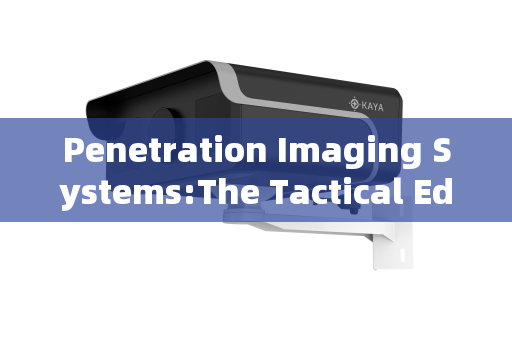
Covert Through-Barrier Surveillance: The system’s most transformative capability is its ability to penetrate various glazing materials with minimal to no detectable signature. Operators can conduct stand-off reconnaissance through vehicle windows, architectural glass, train windows, or aircraft portholes from a concealed position. This allows for positive identification of occupants, assessment of armament, and observation of activities inside a structure or vehicle without alerting the suspects, thereby preserving operational security and the element of surprise.
Penetration Imager Effect Images
-
Defeating Environmental Obscurants: Raids cannot always wait for ideal weather. PIS effectively overcomes backscatter from smoke, fog, haze, rain, and snow. In scenarios where a target location is on fire or deliberately obscured with smoke, the system can provide crucial interior visuals, aiding in locating hostages or trapped individuals and identifying safe entry points for first responders or assault teams.
-
Long-Range, High-Resolution Intelligence Gathering: Operating at significant stand-off distances, these systems enable reconnaissance from positions of safety and concealment. The high distance resolution provides not just 2D imagery but can be used to derive precise 3D spatial data, helping to map room dimensions, locate obstacles, and plan entry routes with greater accuracy than ever before.
-
Enhanced Maritime and Perimeter Security: In maritime interdiction or port security operations (e.g., boarding actions, counter-piracy), PIS enables long-range imaging through fog and offers glare suppression against water surface reflections. This allows for safe assessment of vessel decks and superstructures before a boarding team is deployed.
Application in Broader Security and Emergency Response Contexts
While its role in tactical raids is paramount, the utility of penetration imaging spans allied fields:
- Emergency Response: For urban and wildland firefighting, it allows firefighters to "see" through flames and dense smoke to locate victims and identify structural integrity. In search and rescue (SAR) operations following collapses or in hazardous material environments, it provides lifesaving visibility.
- Law Enforcement & Border Security: It is invaluable for clandestine surveillance, evidence collection, counter-smuggling operations (inspecting vehicle compartments), and checkpoint security, enabling officers to screen vehicles and cargo non-invasively.
- Critical Infrastructure Protection: Integrated into smart city and perimeter security networks, PIS can provide persistent surveillance capability across airports, power plants, and government facilities, regardless of time of day or weather conditions.
Conclusion
The penetration imaging system is far more than just another sensor; it is a force multiplier for tactical decision-making. By delivering clear, actionable visual intelligence through barriers and in conditions that would blind other technologies, it significantly de-risks the pre-raid phase. It transforms uncertainty into clarity, allowing commanders and operators to finalize plans with greater confidence. As threats evolve and operational environments become more complex, the ability to "see first, see clear, and see through" provided by LRGI-based penetration imaging systems is becoming an indispensable component of modern tactical reconnaissance, directly enhancing mission success rates and operator survivability.