In the complex and high-stakes landscape of modern urban security, monitoring and countering organized gang activities present persistent challenges for law enforcement and intelligence agencies. These operations often occur under the veil of darkness, within vehicles, behind tinted windows, or amidst visual obstructions like smoke and fog. Traditional surveillance methods frequently reach their limits in such adverse conditions. This is where advanced penetration imaging systems emerge as a transformative technological asset, offering a critical tactical edge in the persistent surveillance and investigation of urban gang networks.
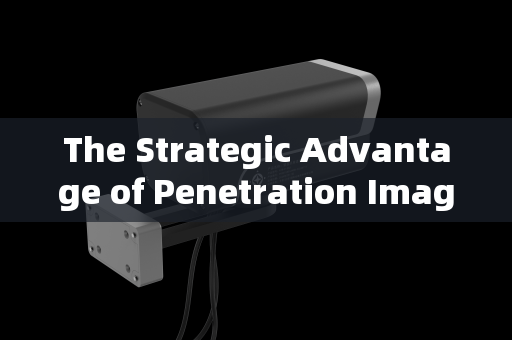
Penetration Imager Effect Images
Understanding Penetration Imaging Technology
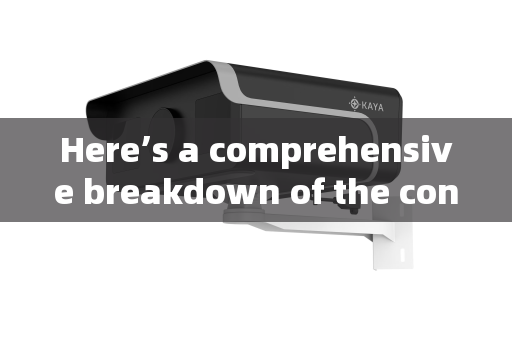
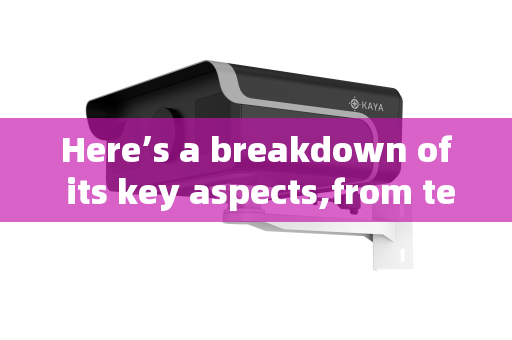
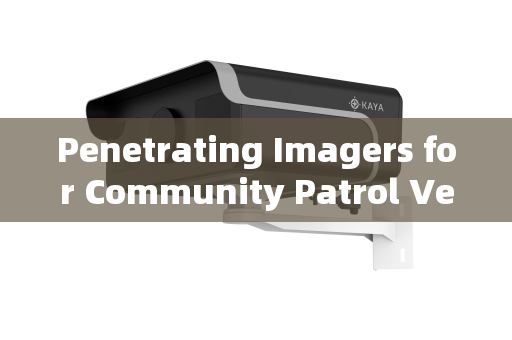
A penetration imaging system is a sophisticated electro-optical device designed to acquire visual information in extreme environments where conventional cameras fail. Its core operational principle is based on Laser Range-Gated (LRG) Imaging or Gated Imaging technology. The system innovatively integrates a high-repetition-rate pulsed laser with a gated intensifier camera. By achieving precise nanosecond-level synchronization between the laser pulse and the camera’s shutter, the system selectively captures light reflected only from a specific, pre-determined distance "slice." By progressively scanning through these temporal/distance slices, it constructs a high-contrast image of the target area.
This method grants the system exceptional capabilities: long imaging range, high distance resolution, superior resistance to interference, and effective suppression of backscatter from obscurants. It is engineered to perform remote, non-invasive imaging through various barriers and in poor visibility conditions. Key functionalities include:
- Penetration of Transparent Barriers: It can "see through" car windows (including tinted), building glass facades, special laminated glass, train windows, and aircraft portholes to detect occupants and activities inside.
- Atmospheric Penetration: It effectively overcomes visual degradation caused by fire, smoke, rain, snow, fog, and haze.
- Extended Application: The technology also supports underwater imaging, broadening its utility.
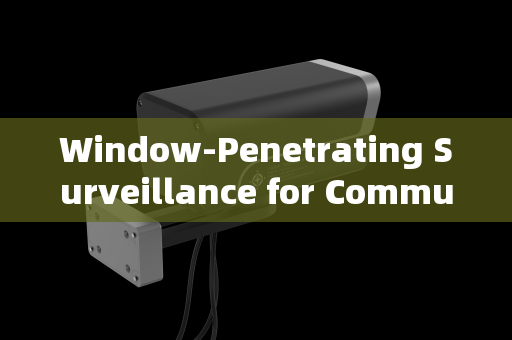
The system typically comprises a pulsed laser illuminator, a gated/intensified camera (often incorporating a Microchannel Plate - MCP - image intensifier for over 10^6x optical gain), beam expanders, and imaging lenses. Critical internal components like high-voltage modules, timing units, and gating controllers enable an ultra-fast optical shutter (<3ns) and superb synchronization precision (<10ps), allowing for high-accuracy 3D data acquisition of targets.
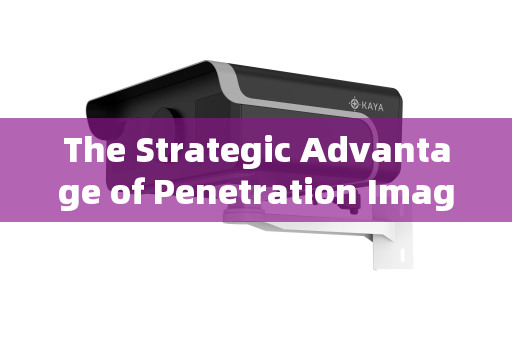
Penetration Imager Effect Images
Application in Monitoring Urban Gang Activities: A Tactical Breakdown
Within the law enforcement and public security domain, penetration imaging systems are force multipliers in several key operational scenarios related to gang activity:
-
Covert Surveillance and Reconnaissance: Gang operations, from drug transactions to weapon exchanges, often use vehicles as mobile hubs. Parked in dark alleys or using heavily tinted windows, these vehicles are traditional blind spots. Penetration imaging allows officers to conduct stand-off, non-detected surveillance from a significant distance, day or night. It can identify the number of occupants, detect weapons or suspicious packages, and monitor activities inside the vehicle without alerting the subjects, providing crucial intelligence for raid planning or arrest execution.
-
Structure Penetration and Hostile Environment Reconnaissance: Gangs may use buildings with reflective or tinted windows as hideouts, lookout posts, or illicit labs. During raids or hostage situations, prior knowledge of the interior layout and occupant positioning is vital. These systems can map internal structures and locate individuals through windows from an external, safe distance. Furthermore, in scenarios where gangs use smoke screens or operate in industrially obscured environments, the system’s ability to "see through" particulates ensures continuous situational awareness for tactical teams.
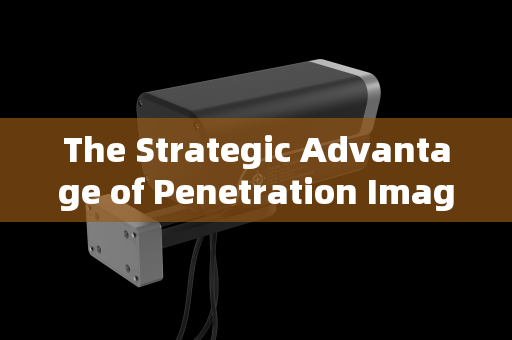
Penetration Imager Effect Images
-
Evidence Collection and Forensic Investigation: The high-resolution, depth-capable imaging supports forensic analysis. It can be used to document scenes through windows post-incident or to gather evidence in low-light conditions where gang-related crimes often occur. The ability to generate clear imagery despite environmental challenges strengthens the chain of evidence.
-
Wide-Area Monitoring and Border/Port Security: While directly related to coastal and border defense, the technology’s features—long-range fog-penetrating imaging and glare suppression—are equally valuable for monitoring port areas, shipping yards, or sprawling industrial zones often exploited by gangs for smuggling contraband, drugs, or humans. It ensures persistent surveillance capability regardless of weather, disrupting logistical chains of urban criminal networks.
-
Integration with Smart City and Policing Initiatives: As part of Smart City, Smart Security, and Smart Policing infrastructures, these systems can be deployed at critical urban points. Integrated with AI analytics, they can automatically scan vehicles or areas for anomalies (e.g., excessive occupants, concealed objects) and alert authorities, enabling proactive policing and efficient resource allocation against gang-related threats like trafficking, burglary, or violent patrols.
Conclusion
The penetration imaging system is far more than just a camera; it is a decisive surveillance and reconnaissance tool that dismantles the environmental and structural advantages exploited by urban gangs. By providing reliable, high-fidelity visual intelligence through barriers and in conditions of low visibility or active obfuscation, it empowers law enforcement agencies to conduct safer, more informed, and more effective operations. From covert intelligence gathering to tactical assault support and post-operation forensics, its role in monitoring and disrupting gang activities is pivotal, representing a significant leap forward in technological capabilities for urban security and the protection of public safety. Its continued adoption and integration promise a more resilient front against organized urban crime.