In the high-stakes, zero-visibility environment of a structural fire, the ability to locate victims, identify structural hazards, and navigate safely is paramount. Traditional thermal imaging cameras have been invaluable tools, but they face significant limitations in dense, obscuring conditions like thick smoke, where particulate matter scatters light and drastically reduces image contrast and effective range. This raises a critical question for modern emergency response: Can a penetration imaging system penetrate smoke for imaging during fire rescue? The answer, underpinned by advanced laser gated imaging technology, is a definitive yes, heralding a new era in situational awareness for first responders.
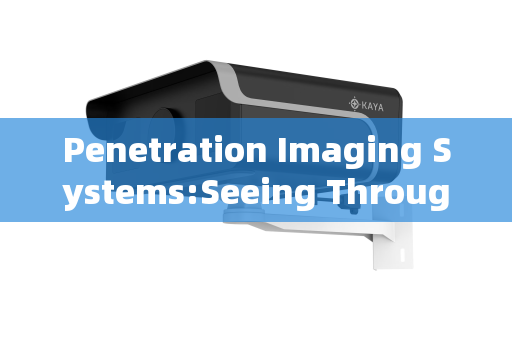
Penetration Imager Effect Images
Understanding Penetration Imaging Technology
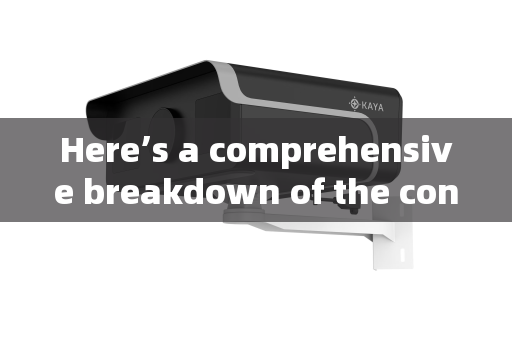
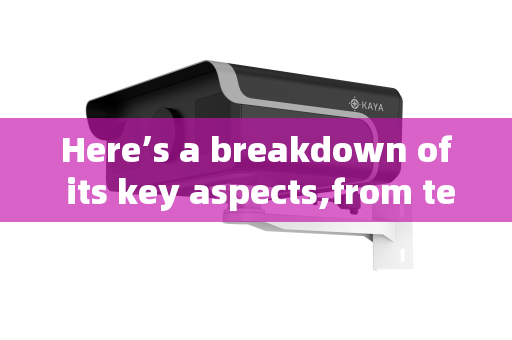
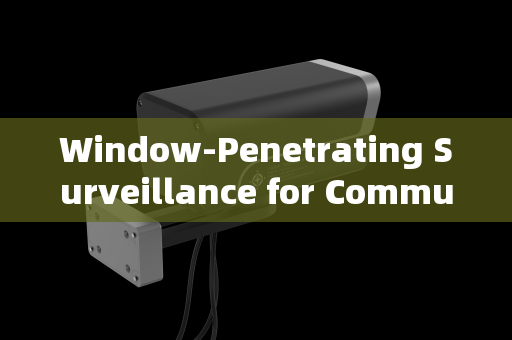
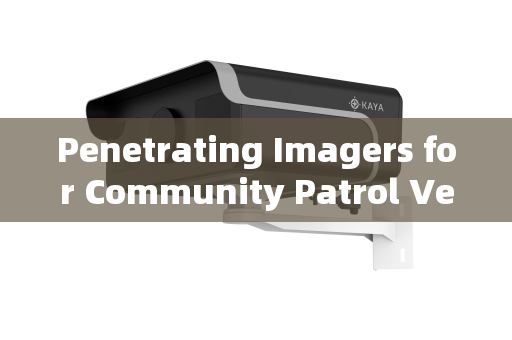
A penetration imaging system, specifically utilizing Laser Range-Gated Imaging (LRGI) or "gated imaging" technology, represents a significant leap beyond conventional passive imaging. It operates on an active illumination principle, combining a high-repetition-rate pulsed laser with a gated intensifier camera. The core innovation lies in the precise, nanosecond-level synchronization between the laser pulse and the camera's shutter.
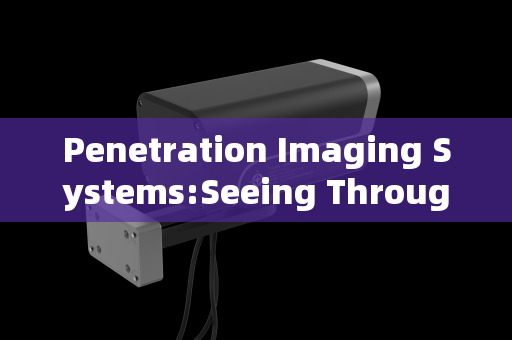
Penetration Imager Effect Images
Here’s how it defeats obscurants like smoke:
Penetration Imager Effect Images
- Pulsed Illumination & Time-Slicing: The system emits a powerful, ultrashort pulse of laser light towards the target scene.
- Precision Gating: The intensifier camera’s shutter, or "gate," remains closed initially, blocking the intense backscatter from particles close to the lens (e.g., smoke, fog, rain). After a precisely calculated time delay corresponding to the light’s round-trip to a specific distance slice, the gate opens for a few nanoseconds.
- Selective Detection: Only the light reflected from objects within that specific "slice" of space reaches the sensor. Light from obscurants before and after that slice is excluded.
- Image Reconstruction: By rapidly stacking images from successive depth slices, the system builds a high-contrast, detailed image of the target, effectively "seeing through" the intervening medium.
Key components include a pulse laser, a beam expander, an imaging lens, and the critical gated intensifier camera. This camera incorporates a Microchannel Plate (MCP) image intensifier, high-voltage modules, and timing circuitry, achieving over 10^6x optical gain, a shutter speed of less than 3 nanoseconds, and timing synchronization precision better than 10 picoseconds. This allows for not only high-contrast 2D imaging but also accurate 3D range data acquisition.
Penetrating Smoke in Fire Rescue: Capabilities and Applications
The system’s inherent ability to suppress backscatter makes it exceptionally effective in smoke-filled environments. For fire and rescue services, this translates into transformative capabilities:
- Enhanced Victim Search and Rescue (SAR): Firefighters can identify human forms, personal belongings, or unconscious victims through dense smoke from a safer distance and with greater clarity than thermal imagers, which can struggle when a victim's body temperature nears the ambient (hot) environment.
- Improved Interior Reconnaissance and Scene Assessment: Commanders and attack teams can map interior layouts, identify fire sources behind smoke, locate alternative egress routes, and assess structural integrity (like compromised beams or floors) before committing personnel.
- Hazard Identification: The system can detect hazardous materials (HAZMAT) containers, fuel sources, or unstable furniture obscured by smoke, preventing accidents and guiding tactical decisions.
- Operational in Diverse Fire Scenarios: Its utility extends beyond urban structure fires to wildland firefighting (seeing through light smoke and vegetation), industrial and refinery fires, and mine rescue operations, where complex, obscured environments are common.
Beyond Fire Rescue: Broad Spectrum of Emergency and Tactical Applications
The value of penetration imaging extends across the public safety and security spectrum:
- Law Enforcement & Tactical Operations: For SWAT and counter-terrorism units, it enables seeing through windows (vehicular, building, aircraft), translucent barriers, and light obscurants (tear gas, fog) for covert surveillance, threat assessment, and hostage rescue planning. It is vital for border security, counter-smuggling operations, and maritime law enforcement.
- Maritime & Coastal Security: The system excels in long-range haze and fog penetration and glare suppression, ensuring continuous surveillance for port security, ship boarding operations, and coastal patrols in adverse weather.
- Infrastructure Security & Critical Asset Protection: It is ideal for perimeter security of power plants, LNG terminals, government buildings, and iconic landmarks, providing clear imaging in rain, snow, and fog where standard CCTV fails.
- Training and Simulation: Fire training academies and true-fire simulation systems can integrate this technology to provide trainers with an unobstructed view of trainee performance inside smoke-filled training structures, enhancing safety and feedback quality.
- Underwater Imaging: The same gating principle effectively cuts through backscatter in turbid water, supporting maritime search and recovery (SAR), hull inspections, and underwater infrastructure monitoring.
Conclusion
The question of whether a penetration imaging system can penetrate smoke for fire rescue imaging is firmly answered by the capabilities of laser range-gated technology. By actively illuminating the scene and using precision timing to reject scattered light, these systems provide a critical visual advantage in the most challenging conditions. They empower firefighters, search and rescue teams, and tactical operators with unparalleled situational awareness, directly contributing to more effective missions, enhanced officer safety, and ultimately, the preservation of life. As this technology matures and becomes more integrated into emergency response protocols, it stands as a cornerstone for next-generation Smart Firefighting, Smart Policing, and holistic Smart City security infrastructures.