Introduction
In modern emergency response, particularly in fire rescue operations, the ability to quickly and accurately assess hazardous environments is paramount to saving lives and minimizing property damage. Penetration imaging systems, leveraging advanced laser range-gated imaging technology, have emerged as a transformative tool for first responders. These systems provide unparalleled support by enabling visual intelligence through obstacles such as smoke, flames, glass, and other obscurants that traditionally hinder rescue efforts. This article explores the capabilities, applications, and specific benefits of penetration imaging systems in fire rescue contexts, highlighting how they enhance operational efficiency and safety.
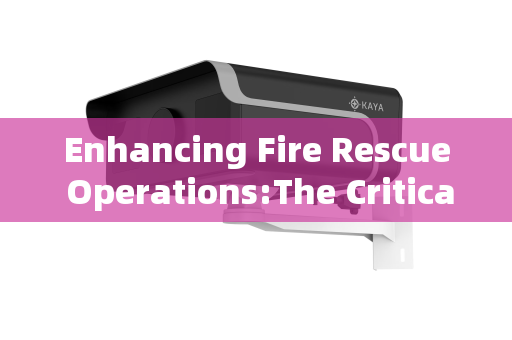
Penetration Imager Effect Images
Technical Overview of Penetration Imaging Systems
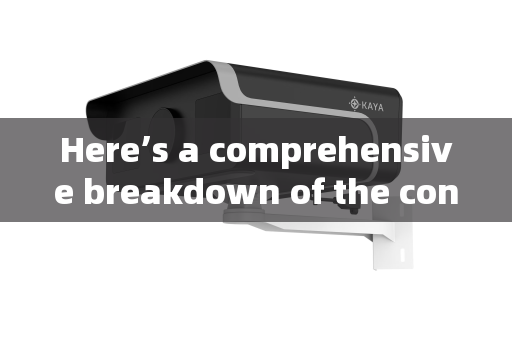
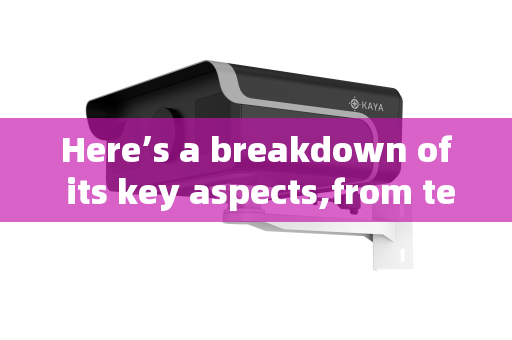
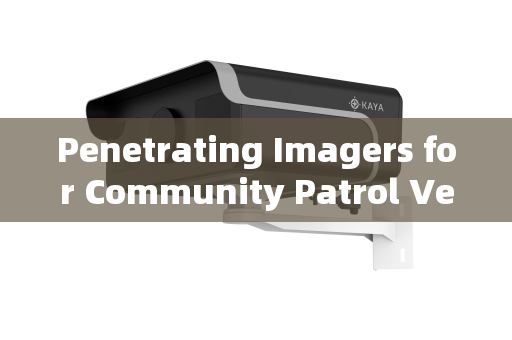
A penetration imaging system utilizes cutting-edge laser range-gated imaging (also known as gated imaging) to overcome limitations in conventional imaging. It innovatively combines high-repetition-rate pulsed lasers with intensified gated cameras. By precisely synchronizing the camera’s shutter with nanosecond laser pulses, the system slices and stacks images based on time delays, allowing for high-contrast imaging of specific distance ranges. Key components include a pulsed laser, an intensified gated camera (featuring a microchannel plate (MCP) intensifier, high-voltage module, timing module, and gating module), beam expanders, and imaging lenses. With specifications such as optical gain exceeding 10^6, shutter speeds below 3 nanoseconds, and timing synchronization precision better than 10 picoseconds, the system achieves high-resolution three-dimensional data acquisition. Its core advantages include long-range imaging, high distance resolution, strong anti-interference capabilities, and effective suppression of backscatter, making it ideal for extreme conditions.
Support for Fire Rescue Operations
Penetration imaging systems offer multifaceted support in fire rescue scenarios, addressing critical challenges faced by firefighters and rescue teams. Below are key areas of application:
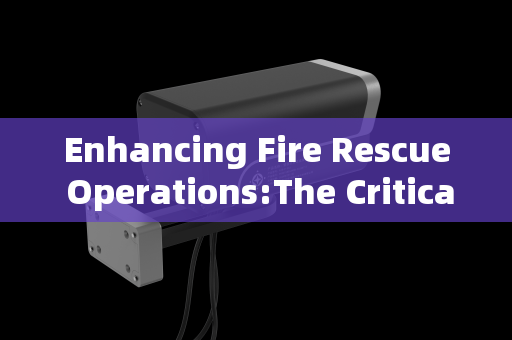
Penetration Imager Effect Images
-
Enhanced Visibility in Obscured Environments
Fire incidents often involve dense smoke, intense flames, and particulate matter that reduce visibility to near zero. Traditional thermal or infrared cameras may struggle with backscatter or low contrast. Penetration imaging systems excel by "seeing through" these mediums—smoke, fog, rain, snow, and haze—providing clear, real-time imagery of victims, structural hazards, and fire sources. This allows rescuers to navigate complex environments safely and prioritize actions based on accurate situational awareness. -
Penetration of Glass and Barriers
In urban firefighting, obstacles like vehicle windows, glass幕墙, aircraft windows, and specialized glass can impede visual assessment. The system’s ability to penetrate such transparent or semi-transparent barriers enables remote reconnaissance without physical entry. For instance, during vehicle extrication or high-rise building fires, responders can detect occupants or hazards behind glass, reducing risks associated with forced entry and accelerating rescue timelines.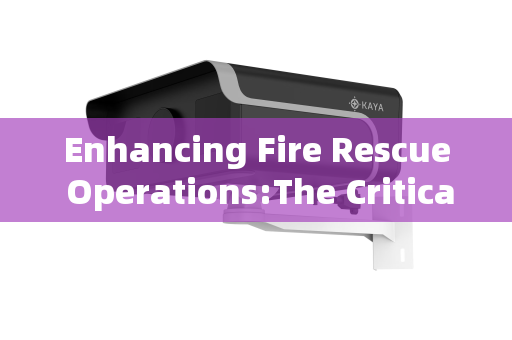
Penetration Imager Effect Images
-
Water and Underwater Rescue Capabilities
For水域救援 (water rescue) operations, such as floods or submerged vehicle incidents, the system supports underwater imaging by compensating for turbidity and low light. This aids in locating victims or objects in murky waters, enhancing coordination for dive teams and boat-based responders. -
Improved Search and Rescue Efficiency
In scenarios like森林消防 (forest firefighting) or矿山救援 (mine rescue), where terrain is rugged and environments are volatile, penetration imaging facilitates long-range detection of hotspots, trapped individuals, or structural weaknesses. By providing high-resolution 3D data, it enables precise mapping of disaster zones, optimizing resource deployment and reducing time spent in hazardous areas. This directly contributes to higher survival rates and minimized responder exposure. -
Training and Preparedness
Beyond active incidents, these systems are valuable for训保基地 (training bases) and真火模拟训练系统 (live-fire training systems). They allow trainees to practice in simulated obscured conditions, building proficiency in using advanced technology for real-world missions. This enhances overall readiness for fire departments and emergency services.
Broader Applications in Emergency and Security Contexts
While focused on fire rescue, penetration imaging systems have cross-functional utility in related fields, underscoring their versatility:
- 军警执法 (Military and Law Enforcement): Used in安检执法 (security inspections),反恐救援 (counter-terrorism rescue),侦察取证 (reconnaissance and evidence collection), and缉毒缉私 (drug and smuggling interdiction). They support operations in low-light or obscured conditions, such as building clears or surveillance.
- 海防边防 (Coastal and Border Defense): Enable远距离透雾成像 (long-range fog-penetrating imaging) and强光抑制成像 (glare suppression), ensuring maritime security and border patrols in adverse weather.
- 智慧城市 (Smart Cities): Integrate into智慧安防 (smart security) and智慧公安 (smart policing) networks for proactive monitoring of critical infrastructure, enhancing public safety during emergencies like fires or terrorist attacks.
Conclusion
Penetration imaging systems represent a paradigm shift in fire rescue operations, offering robust support through advanced imaging capabilities that transcend traditional limitations. By providing clear visual intelligence through smoke, flames, glass, and other barriers, these systems empower responders with critical information, leading to faster decision-making, reduced casualties, and enhanced operational safety. As technology evolves, their integration into emergency response protocols—alongside applications in military, security, and coastal domains—will continue to save lives and protect communities. For fire rescue agencies worldwide, investing in penetration imaging is not just an upgrade; it is a strategic imperative for navigating the complexities of modern disasters.