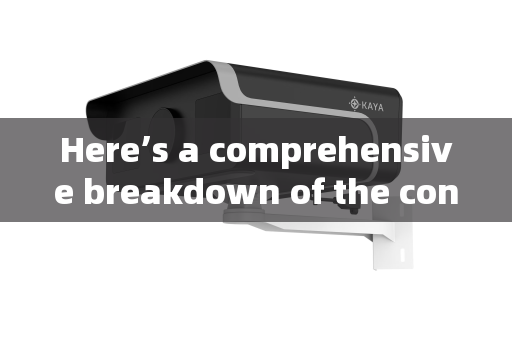
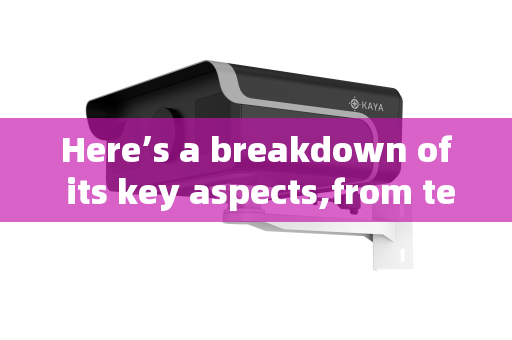
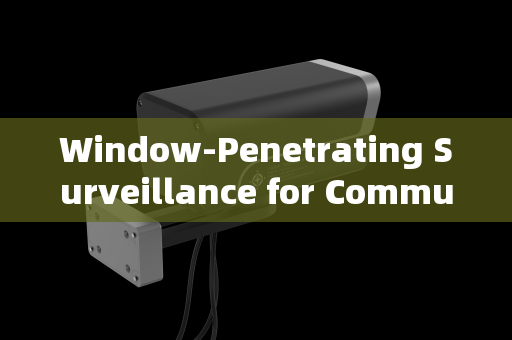
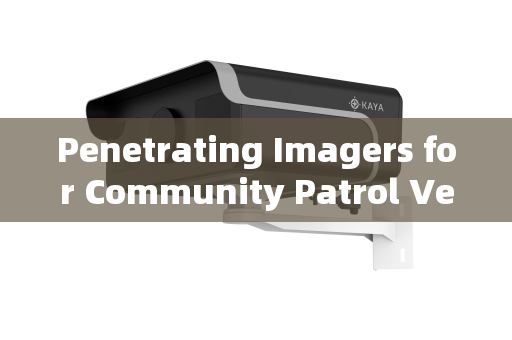
What is a Penetration Imaging System? A Technological Breakthrough for Emergency Response, Law Enforcement, and Defense In the demanding fields of emergency services, law enforcement, and military operations, the ability to see clearly through visual obscurants and physical barriers can mean the difference between life and death, mission success and failure. Traditional imaging systems often fail in conditions of low light, smoke, fog, or when a target is concealed behind glass. This is where the Penetration Imaging System emerges as a revolutionary technological solution. But what exactly is it? A Penetration Imaging System is an advanced active imaging technology designed to acquire clear, high-contrast visual information through various media and under extreme environmental conditions where conventional cameras are rendered ineffective. At its core, it employs Laser Range-Gated Imaging (LRG) technology, also known as gated imaging. This innovative approach masterfully combines a high-repetition-rate pulsed laser with a gated intensified camera** to achieve what appears to be "see-through" capability.
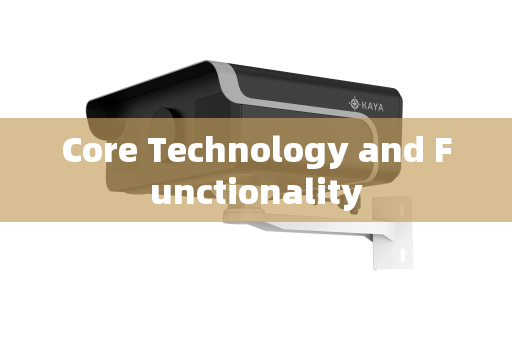
Penetration Imager Effect Images
The system's operation is a feat of precision timing. It works by emitting short, intense pulses of laser light (in the nanosecond regime) towards a target area. A specially designed gated camera, synchronized with exquisite accuracy (with precision better than 10 picoseconds), acts as an ultra-fast shutter. This shutter opens only for a precisely controlled, very brief window (less than 3 nanoseconds), timed to coincide with the return of laser light from a specific "slice" of space at a predetermined distance.
By progressively delaying this time window, the system electronically "slices" and scans through different range segments, building a stack of images. This process effectively isolates the light reflected from the target of interest while rejecting the overwhelming backscatter from particulates like smoke, fog, rain, or snow located between the sensor and the target. The result is a dramatically enhanced image contrast and clarity.
Key components of such a system include:
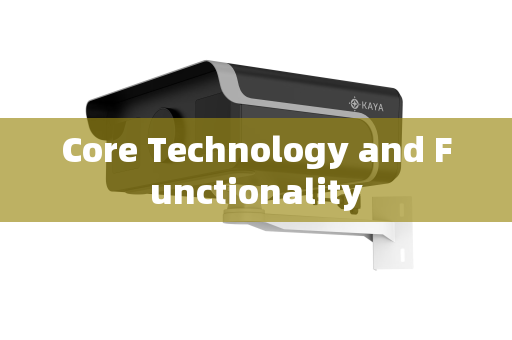
Penetration Imager Effect Images
- Pulsed Laser Illuminator: Provides high-power, eye-safe (typically in the near-infrared spectrum), short-duration light pulses.
- Gated Intensified Camera: The heart of the system. It incorporates a Microchannel Plate (MCP) image intensifier, capable of providing optical gain exceeding 10^6 times, coupled with high-voltage, timing, and gating control modules. This enables extreme light amplification and nanosecond-scale shuttering.
- Beam Expander & Imaging Lens: Shape the laser beam and collect the returning light for the camera.
This sophisticated combination grants the system exceptional characteristics: long operational range, high range resolution, superior resistance to backscatter and other interferences, and the ability to function in near-total darkness.
Primary Applications and Scenarios
The penetration imaging system's unique capabilities unlock a wide array of critical applications across several high-stakes domains:
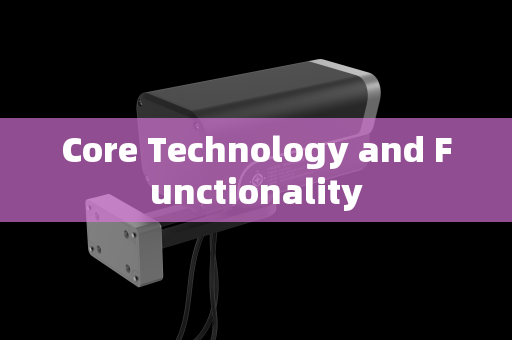
Penetration Imager Effect Images
Emergency Response & Firefighting: In urban and wildland firefighting, it allows rescue teams to peer through thick smoke and intense flames to locate trapped individuals, assess structural integrity, and identify hot spots, significantly improving rescue efficiency and firefighter safety. It is invaluable for mine rescue, water rescue, and national disaster response operations. Furthermore, it serves as a crucial tool in live-fire training facilities and for protecting high-value infrastructure like iconic landmarks and large buildings, enabling security teams to see through smoke during drills or actual incidents.
Law Enforcement & Security: This technology provides a decisive tactical advantage. It enables covert surveillance and detection through windows (car windshields, building glass facades, train or aircraft windows) without alerting subjects inside, vital for counter-terrorism operations, hostage rescue, narcotics interdiction, and border patrol. It aids in evidence collection, fugitive tracking, and counter-surveillance. For security checkpoints, it can help identify vehicle overloading or concealed compartments. Its integration is pivotal for developing next-generation Smart City, Smart Security, and Smart Policing infrastructures.
Maritime & Border Defense: In coastal and maritime security, the system's ability to penetrate haze, fog, and mist ensures continuous surveillance and navigation support even in poor weather. It enhances port security, ship boarding operations, and coastal patrol activities by providing clear imagery where standard thermal or optical systems degrade. Its strong light suppression capability is crucial for dealing with glare from water surfaces or other light sources during night operations.
Additional Niche Applications: The technology also shows great promise for underwater imaging, cutting through turbidity for salvage, inspection, or maritime research, and for specialized industrial inspection tasks where seeing through obscuring media is required.
Conclusion
In essence, a Penetration Imaging System is far more than just a camera. It is a powerful sensing platform that manipulates light and time to defeat visual obstacles. By offering reliable, high-contrast imaging through smoke, fog, and even glass, it fills a critical capability gap for first responders, law enforcement officers, and military personnel. As the technology continues to evolve, its role in enhancing situational awareness, saving lives, and securing national interests is set to become increasingly indispensable, solidifying its status as a cornerstone of modern tactical and rescue optics.