Introduction
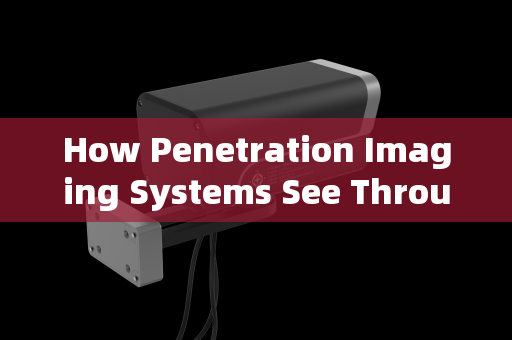
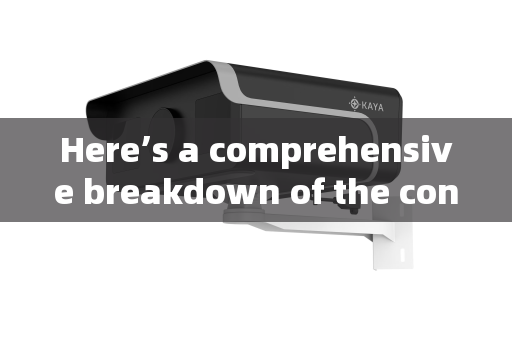
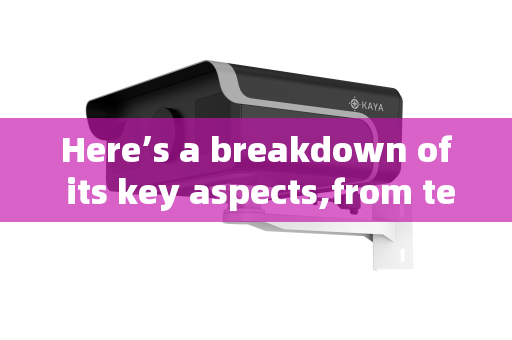
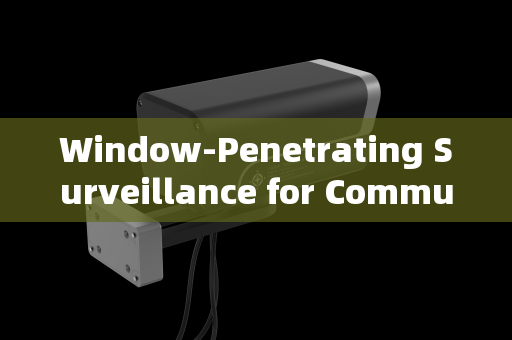
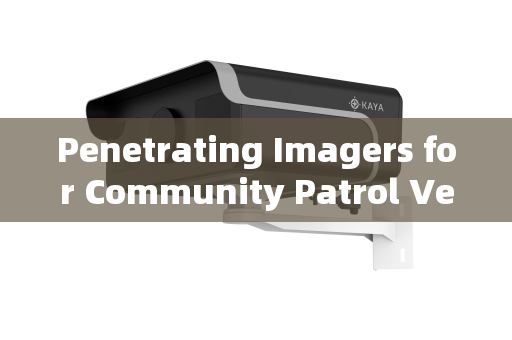
Penetration Imager Effect Images
In the fields of emergency response, law enforcement, and defense, the ability to gather critical visual intelligence through obstructions is paramount. One of the most challenging yet common barriers is the vehicle window. Traditional optical systems are defeated by reflections, glare, tinting, and adverse weather. Penetration Imaging Systems (PIS), leveraging advanced Laser Range-Gated Imaging (LRGI) technology, provide a groundbreaking solution. This article explores how these systems achieve clear imaging through vehicle windows and their vital role in modern security and rescue operations.
Core Technology: Laser Range-Gated Imaging
The fundamental challenge of seeing through a window is separating the desired signal (the scene inside the vehicle) from unwanted noise (reflections from the glass surface and backscatter from the environment). Penetration Imaging Systems overcome this through precise temporal control, a technique known as range-gating or gated imaging.
The system synchronizes two key components: a high-repetition-rate pulsed laser and a gated intensifier camera. The laser emits extremely short, powerful pulses of light (nanosecond duration) that illuminate the target area. The camera's sensor, however, remains "closed" or inactive. After a precisely calculated time delay—corresponding to the time it takes for the laser light to travel to the target window, pass through, reflect off the interior objects, and return—the camera's ultra-fast optical shutter (gate) opens for a matching nanosecond duration.
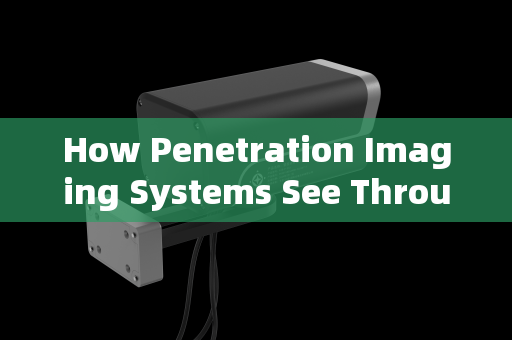
Penetration Imager Effect Images
This synchronized gating acts as a temporal filter. Light reflected from the window's surface (the closest object) returns first and is excluded because the shutter is still closed. Backscatter from rain, fog, or smoke is similarly rejected. Only the photons that have traveled the exact distance to the interior of the vehicle arrive at the precise moment the shutter opens, resulting in a high-contrast image of the hidden scene. By progressively adjusting the time delay, the system can "slice" and scan through different depth planes, enabling 3D information acquisition.
System Components and Capabilities
A typical PIS comprises:
- Pulsed Laser Illuminator: Provides high-power, eye-safe (in certain classes) pulsed light.
- Gated Intensifier Camera: The core component featuring a Microchannel Plate (MCP) image intensifier, a high-voltage module, and precision timing circuitry. It can achieve optical gains exceeding 10^6, shutter speeds below 3 nanoseconds, and synchronization precision better than 10 picoseconds.
- Beam Expander & Imaging Lens: Condition the laser beam and collect returning light.
This configuration grants the system exceptional performance: long imaging range, high distance resolution, immunity to ambient light interference, and effective suppression of backscatter. It operates effectively in total darkness, through various glazing (automotive glass, laminated windows, aircraft portholes), and mitigates the effects of atmospheric obscurants like smoke, fog, and haze.
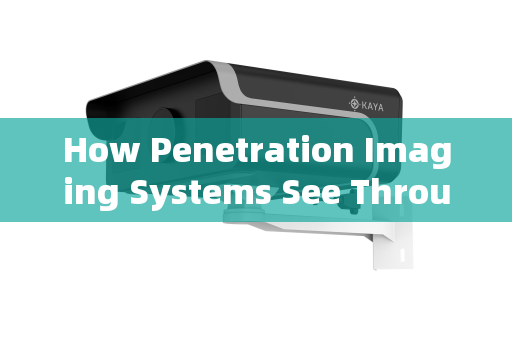
Penetration Imager Effect Images
Key Application Scenarios
Emergency Response & Firefighting In Urban and Wildland Firefighting, Search and Rescue (SAR), and mine or waterway disasters, PIS is a force multiplier. It allows firefighters and rescuers to see through dense smoke, flame, and vehicle windows to locate victims, assess structural integrity, or identify hazards from a safe distance. It is equally valuable for high-level training in live-fire simulation facilities and for protecting critical infrastructure.
Law Enforcement & Security For police, border control, and counter-terrorism units, PIS offers a decisive tactical advantage. It enables covert surveillance and threat assessment inside vehicles during counter-terrorism operations, VIP protection, drug interdiction, and checkpoint security. It can detect concealed individuals (human trafficking, overloaded vehicles), weapons, or illicit materials through tinted windows without alerting occupants. Its integration is crucial for Smart City initiatives, Smart Policing, and perimeter security of government installations.
Coastal & Border Defense Maritime and border security often operate in conditions of fog, mist, and darkness. PIS provides long-range, all-weather surveillance capability. It can penetrate haze and glare to monitor vessel activity, support interdiction operations, verify ship decks and cabins during boarding, and secure port facilities. Its ability to see through precipitation ensures continuous operational readiness for coast guards and naval forces.
Conclusion
Penetration Imaging Systems represent a significant leap in imaging technology, transforming how professionals see the world through barriers. By mastering the dimension of time with laser range-gating, they effectively "remove" vehicle windows and other obstructions from the visual equation. As these systems become more compact, robust, and integrated with AI analytics, their role in enhancing situational awareness, saving lives, and ensuring public safety across emergency services, law enforcement, and defense sectors will only become more indispensable.