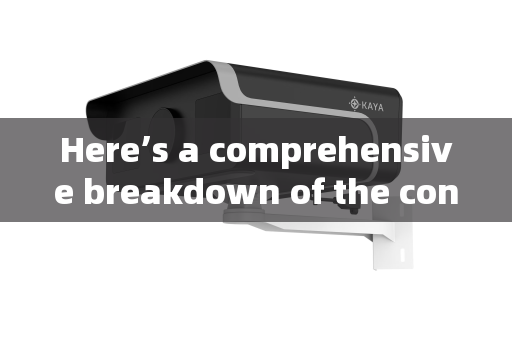
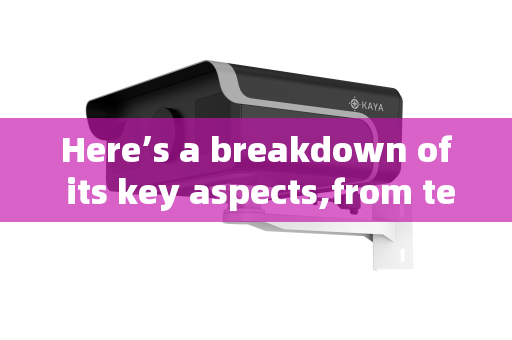
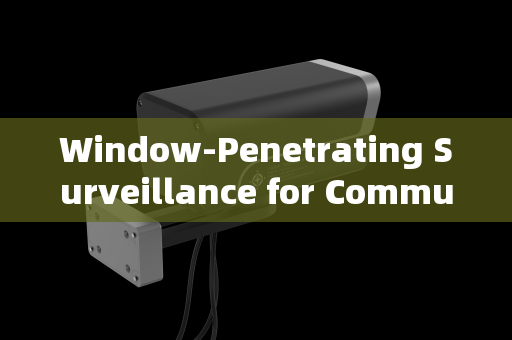
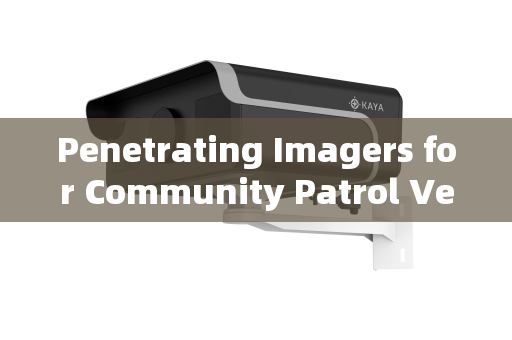
In modern urban environments, glass curtain walls are ubiquitous in high-rise buildings, corporate offices, and transportation vehicles. While aesthetically impressive, these transparent barriers pose significant challenges for surveillance, reconnaissance, and emergency response operations. Conventional imaging systems often fail to deliver clear visuals through glass due to reflections, glare, and environmental obstructions. This is where penetration imaging systems come into play—advanced electro-optical devices designed to “see through” glass and other semi-transparent media with exceptional clarity.
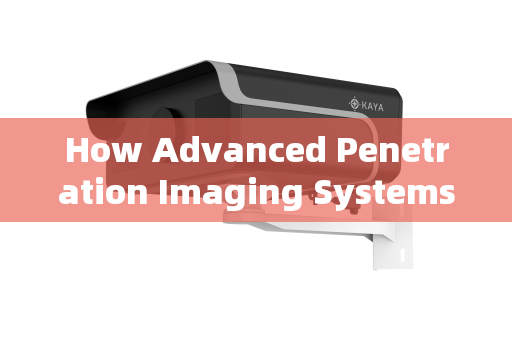
Penetration Imager Effect Images
Understanding Penetration Imaging Technology
A penetration imaging system is not a conventional camera but a sophisticated active imaging platform that combines pulsed laser illumination with gated imaging technology. At its core, the system utilizes Laser Range-Gated Imaging (LRGI)—a technique that enables selective imaging of objects at specific distances while suppressing unwanted backscatter from intermediate obstructions such as glass, smoke, or fog.
The system integrates a high-repetition-rate pulsed laser and an intensified gated camera. These components operate in precise nanosecond-level synchronization. By emitting short laser pulses and controlling the camera’s shutter to open only when light reflected from the target plane returns, the system effectively “slices” the visual field into depth layers. This time-delayed stacking of slices allows the system to isolate objects behind glass while ignoring reflections from the glass surface itself.
Key components include:
- A pulsed laser source (often infrared or near-infrared)
- A beam expander to widen the illumination area
- An imaging lens assembly
- An image-intensified gated camera with a Microchannel Plate (MCP), high-voltage modules, and precision timing circuitry
The gated camera can achieve optical gain exceeding 10⁶, shutter speeds below 3 nanoseconds, and timing synchronization precision better than 10 picoseconds. This enables high-contrast, high-resolution imaging even in extreme low-light or no-light conditions.
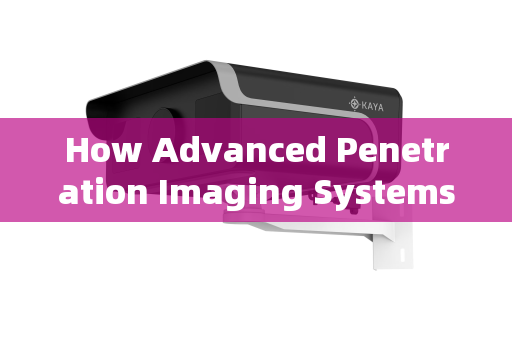
Penetration Imager Effect Images
How It Penetrates Glass Curtain Walls
Glass surfaces typically reflect a portion of incident light, which overwhelms conventional sensors and obscures the view of what lies behind. Penetration imaging systems overcome this through precise temporal control:
- Pulsed Illumination: The laser emits a short, high-power pulse directed at the target area behind the glass.
- Gated Reception: The camera’s shutter remains closed during the initial return of reflections from the glass surface. It opens only when light returning from objects behind the glass arrives.
- Scatter Rejection: Backscatter from rain, smoke, or dust on or near the glass is temporally filtered out, enhancing image contrast.
This method effectively bypasses surface reflections and medium-induced scattering, yielding a clear image of the interior space, occupants, or objects behind glass curtain walls, train windows, aircraft panes, or specialized glazing.
Applications in Emergency Response, Law Enforcement & Defense
Emergency & Rescue Scenarios In firefighting and urban search-and-rescue, every second counts. Penetration imaging systems allow first responders to assess indoor conditions through smoke-filled or darkened windows from a safe distance. They are used in:
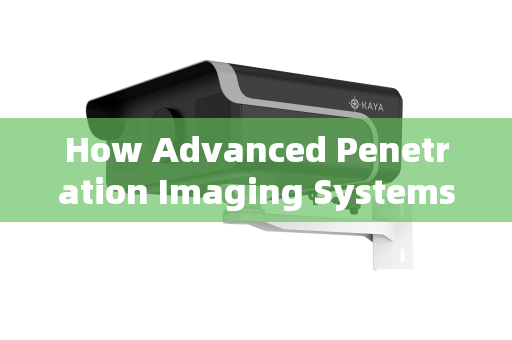
Penetration Imager Effect Images
- Structural firefighting in high-rises with curtain walls
- Forest fire observation through smoke and haze
- Mine, maritime, and disaster zone reconnaissance
- Live-fire training simulation and building security inspections
Law Enforcement & Counter-Terrorism For police and special operations units, these systems provide critical tactical intelligence. They enable:
- Covert surveillance through building windows and vehicle glass
- Hostage situation assessment without exposing officers
- Drug interdiction and contraband detection in vehicles
- Crowd monitoring and threat detection in smart city frameworks
Maritime & Border Security In maritime environments, the system’s ability to image through fog, rain, and spray ensures continuous surveillance. Applications include:
- Port and coastal surveillance through vessel windows
- Boarding operations under low visibility
- Border patrol and intrusion detection across glass-fronted facilities
Advantages Over Conventional Imaging
Penetration imaging offers distinct benefits:
- Long-range capability: Effective from hundreds of meters away
- High range resolution: Can distinguish between multiple layers behind glass
- Strong anti-interference: Rejects glare, ambient light, and weather effects
- Low observability: Infrared pulses are invisible to the naked eye
- Versatility: Works through smoke, fog, rain, snow, and even underwater
Conclusion
Penetration imaging systems represent a leap forward in electro-optical surveillance and reconnaissance. By leveraging laser gating and precision timing, they solve one of the most persistent challenges in security and emergency optics: seeing clearly through glass and obscured environments. As cities grow taller and glazed structures become more common, this technology will play an increasingly vital role in public safety, national security, and defense operations worldwide. With ongoing advancements in laser tech and sensor miniaturization, these systems are poised to become standard equipment for first responders, tactical teams, and security agencies in the near future.