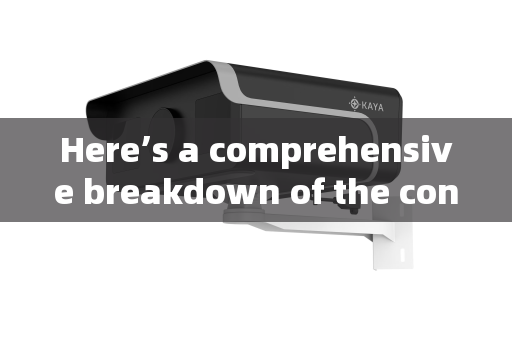
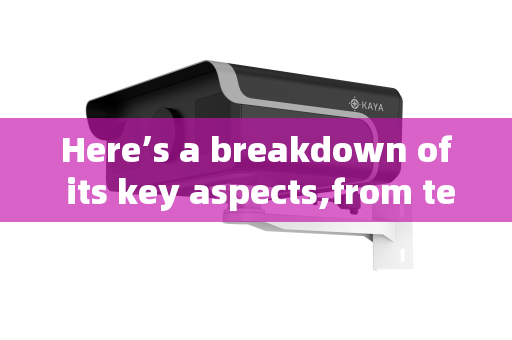
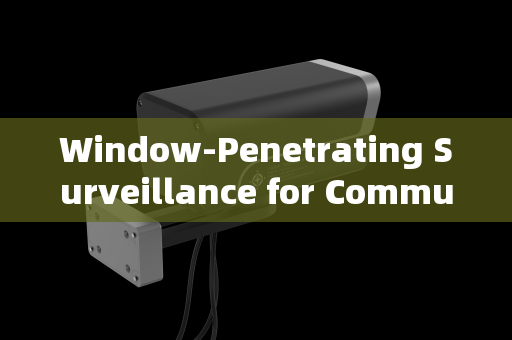
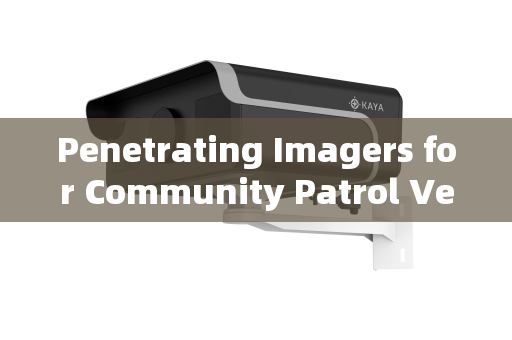
Penetration imaging systems, a technological breakthrough primarily built upon advanced Laser Range-Gated (LRG) imaging or gated imaging technology, are redefining the boundaries of vision in challenging environments. These sophisticated devices integrate high-repetition-rate pulsed lasers with intensified gated cameras, achieving precise, nanosecond-level synchronization. By controlling the time delay between the laser pulse emission and the camera’s shutter opening, they selectively capture light reflected from specific distance slices, effectively "stripping away" obscurants. This process enables high-contrast imaging over long ranges with exceptional distance resolution, strong resistance to backscatter, and robust performance against various interferences. With the core components including a pulsed laser, an intensified gated camera (featuring a Microchannel Plate (MCP) image intensifier, high-voltage module, timing, and gating electronics), beam expander, and imaging lens, these systems offer capabilities like >10^6 optical gain, <3ns optical gating, and superior to 10ps timing precision, facilitating high-accuracy 3D information acquisition. Let’s explore the transformative applications of these systems across critical fields.
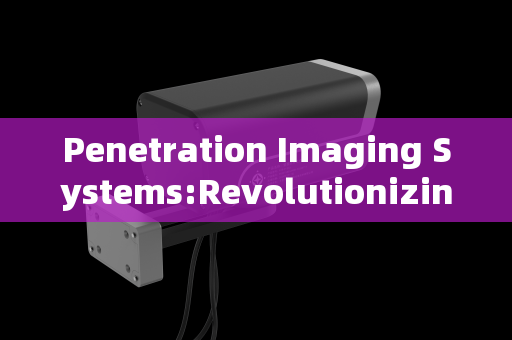
Penetration Imager Effect Images
Emergency Response and Firefighting In emergency scenarios where every second counts, penetration imaging systems are invaluable force multipliers. For urban and wildland firefighting, they allow responders to see through dense smoke, flames, and particulate matter, locating trapped individuals, identifying structural integrity hazards, and pinpointing fire sources with unprecedented clarity. This significantly enhances operational efficiency and personnel safety. In search and rescue (SAR) operations following structural collapses, mine disasters, or in hazardous material environments, these systems can detect survivors through non-metallic debris and obscurants. They are equally crucial for maritime and water rescue, providing visibility in murky waters or through surface glare. Furthermore, they serve high-level needs in fire training facilities, live-fire simulation systems, and for securing critical infrastructure like iconic skyscrapers, enabling realistic training and preventative surveillance.
Penetration Imager Effect Images
Military, Law Enforcement, and Security Operations The tactical advantages offered by penetration imaging systems are profound for defense and security agencies. In law enforcement, they are deployed for covert surveillance, enabling officers to conduct stand-off reconnaissance through windows (car, building), tinted glass, or curtains for suspect apprehension, counter-terrorism operations, and evidence gathering without alerting subjects. They prove essential for border security and checkpoints, detecting concealed persons or contraband in vehicles (addressing overloading, human trafficking, drug smuggling) by imaging through compartments and panels. Military applications encompass long-range reconnaissance, target designation and tracking in adverse weather, and force protection. They aid in intelligence, surveillance, and reconnaissance (ISR), counter-sniper operations, and navigating battlefields obscured by smoke, fog, or darkness. Their integration into smart city frameworks, public security networks, and critical infrastructure protection enhances proactive threat detection and situational awareness.
Penetration Imager Effect Images
Maritime and Border Security Ensuring vigilance along vast coastlines and borders demands systems impervious to environmental challenges. Penetration imaging systems excel in maritime domain awareness. They provide crucial capabilities for long-range surveillance through fog, haze, rain, and sea spray, aiding in ship identification, navigation safety during port approaches, and monitoring of exclusive economic zones. Their strong background clutter suppression and ability to handle glare from the water surface make them ideal for search and rescue at sea, detecting vessels or persons in distress. For coastal and border patrol, these systems enable persistent, all-weather monitoring, helping to intercept illicit activities such as unauthorized crossings, smuggling, and piracy, thereby ensuring national security and sovereignty.
Additional Niche and Emerging Applications The core technology finds utility in other specialized areas. In industrial inspection, it can image through certain fumes or particulates to monitor processes or inspect internal structures. Scientific research, particularly in environmental monitoring or atmospheric studies, benefits from its ability to profile aerosols or particulates. Underwater imaging for marine research, offshore infrastructure inspection (e.g., pipelines, platforms), and port security is another significant, growing application area, allowing for inspection in turbid waters.
In conclusion, penetration imaging systems represent a paradigm shift in electro-optical imaging. By conquering limitations imposed by darkness, adverse weather, and obscuring media, they empower professionals in emergency services, law enforcement, military, and security sectors to perform their duties with enhanced safety, efficiency, and effectiveness. As the technology matures and becomes more accessible, its integration into broader security and operational frameworks promises to make our critical infrastructures and response mechanisms more resilient and intelligent.