A penetration imaging system designed to see through tinted vehicle windows typically relies on specific wavelengths of light that can pass through materials opaque to visible light. Here’s a breakdown of the key principles and methods:
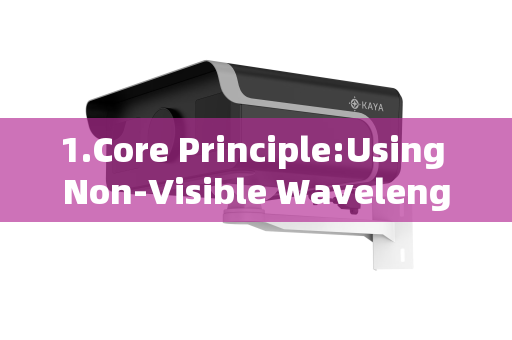
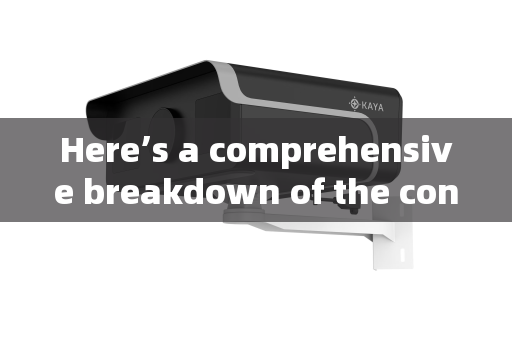
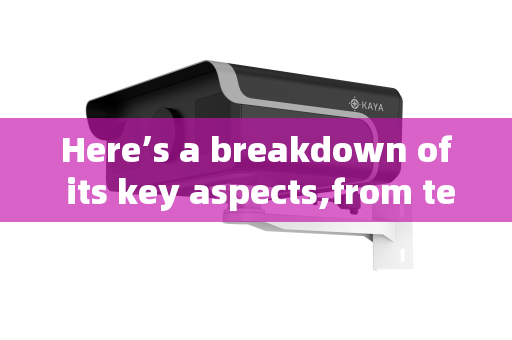
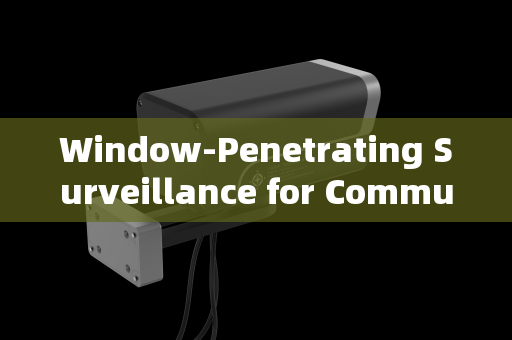
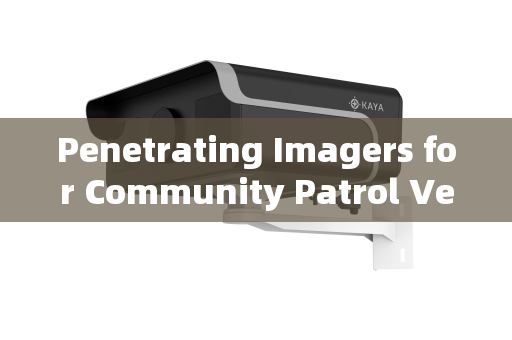
Penetration Imager Effect Images
- Tinted windows are designed to block or absorb visible light (wavelengths ~400–700 nm) but may be transparent to other wavelengths.
- Infrared (IR) imaging is commonly used:
- Near-Infrared (NIR, ~700–1400 nm): Many automotive tints (especially dyed or polymer-based) are partially transparent to NIR. Specialized NIR cameras can capture images through such tints.
- Far-Infrared (FIR, thermal imaging, ~8–14 μm): This detects heat emitted by objects. Since it doesn’t rely on reflected visible light, it can bypass tinted windows—but only if the window material transmits FIR radiation (ordinary glass blocks most FIR, but some specialized systems may work with certain materials).
Active vs. Passive Imaging
- Active Illumination: The system emits specific IR wavelengths that penetrate the window and reflect off objects inside. The camera then captures the reflected IR. This works well for NIR.
- Passive Imaging: Uses ambient or existing radiation (like thermal emissions) to form an image without emitting signals. Thermal cameras are passive but may struggle with standard glass.
Polarization Techniques
- Some systems use polarized light to reduce reflections from the window surface, which can otherwise obscure the interior. By filtering out glare, clearer imaging becomes possible.
Multispectral or Hyperspectral Imaging
- These systems capture data across many wavelengths (beyond visible light) and analyze spectral signatures. They can identify which wavelengths penetrate the tint best and combine data to enhance image clarity.
Limitations and Considerations
- Type of Tint: Metalized or reflective tints (with metallic particles) can block both visible and IR light, making penetration difficult.
- Laws and Regulations: Use of such technology may be restricted by privacy laws, warrant requirements, or regulations on surveillance.
- Environmental Factors: Weather, window dirt, or angle of view can affect performance.
Applications
- Primarily used by law enforcement, military, or security personnel for vehicle inspection, surveillance, or threat detection.
- Industrial/Research applications might include material inspection or autonomous vehicle sensing.
Example Technology
- IR camera systems paired with NIR illuminators (often covert) can capture clear interior images through common dyed tints. Advanced systems may combine NIR with thermal or polarization for better results.
Important Note:
While the technology exists, its use is often governed by legal and ethical guidelines. Unauthorized surveillance through windows may violate privacy laws in many jurisdictions. Always ensure compliance with local regulations when deploying or researching such systems.
Penetration Imager Effect Images
Penetration Imager Effect Images