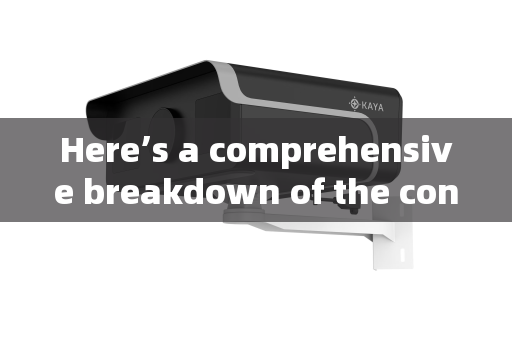
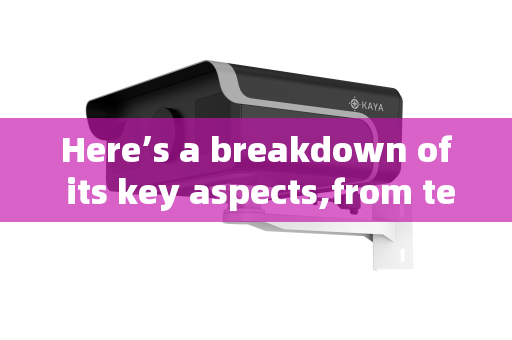
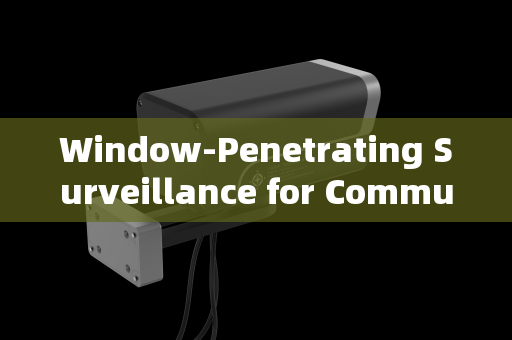
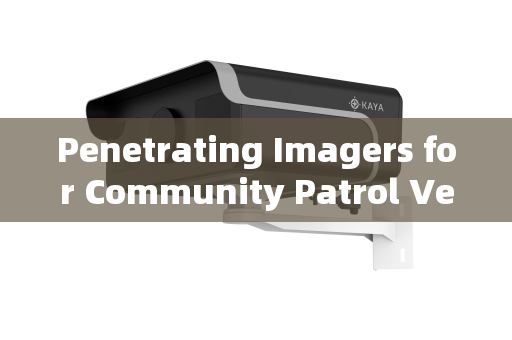
In the evolving landscape of security architecture, the protection of critical infrastructure, public parks, government compounds, and high-value private facilities necessitates a paradigm shift beyond traditional surveillance and inspection methods. The perimeter checkpoint remains a vital chokepoint for threat interdiction, yet conventional visible-light cameras and manual inspections are often defeated by darkness, obscurants, or intentional concealment. This is where advanced Penetration Imaging Systems (PIS), leveraging Laser Range-Gated (LRG) imaging technology, emerge as a transformative force in security control, providing unprecedented situational awareness and actionable intelligence.
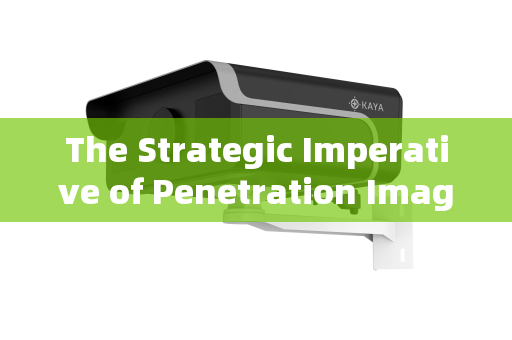
Penetration Imager Effect Images
Understanding the Technology: Laser Range-Gated Imaging
At its core, a Penetration Imaging System is not a mere camera but a sophisticated active imaging suite. It masterfully integrates a high-repetition-rate pulsed laser with a gated intensifier camera. The fundamental innovation lies in precise nanosecond-level synchronization between the laser pulse emission and the camera’s shutter opening. The system illuminates the scene with short, powerful laser bursts. The camera’s "gate" or shutter opens only for a precisely delayed, ultra-short window (as low as 3 nanoseconds) to capture photons reflected from a specific "slice" of space corresponding to the target distance. This process, repeated and stacked, effectively slices through the visual clutter.
This methodology confers several decisive advantages crucial for security:
- Superior Penetration Capability: It can "see through" glazing materials like vehicle windows (car, train, aircraft), glass facades, and specialized laminates without alerting occupants, enabling covert inspection of interiors for threats, contraband, or unauthorized personnel.
- Invulnerability to Backscatter: By rejecting photons scattered from intervening particles like fog, smoke, rain, snow, or dust (common in emergency or attack scenarios), it maintains clear image contrast where conventional systems fail.
- Extended Range & High-Resolution Imaging: It operates effectively in total darkness or extreme low-light, providing long-range identification and reconnaissance capabilities far exceeding passive night vision.
- High-Precision 3D Data: With temporal synchronization precision better than 10 picoseconds, the system can extract accurate distance measurements for each pixel, enabling 3D profiling of scenes and targets.
The Security Application at Park Checkpoints: A Multi-Layered Defense
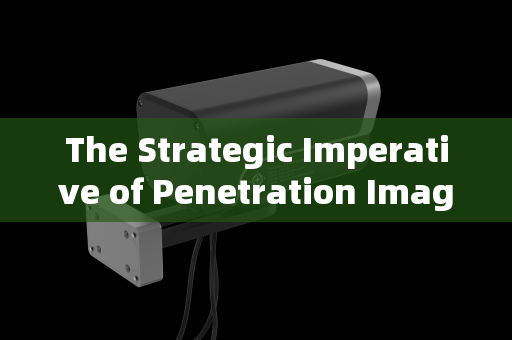
Penetration Imager Effect Images
The integration of PIS at park or facility checkpoints transforms a static control point into a dynamic, intelligent sensor node.
-
Covert Vehicle Screening and Occupant Analysis: As vehicles approach or are held at a checkpoint, PIS can passively scan them. It can penetrate darkened, tinted, or reflective windows to clearly image the interior cabin and trunk space. This allows security personnel to identify potential threats (weapons, IEDs), count occupants (detecting overloading or hidden individuals), observe suspicious behavior, or spot illicit materials without direct contact or triggering alarms. This is invaluable for anti-terrorism, VIP protection, narcotics interdiction, and fugitive apprehension operations.
-
Overcoming Environmental Adversity: Parks and outdoor facilities are exposed to the elements. At night, in dense fog, or amid heavy precipitation, traditional CCTV becomes blind. PIS maintains operational clarity, ensuring 24/7, all-weather perimeter surveillance and monitoring of approaches, parking lots, and sensitive zones within the park. This ensures continuous security posture regardless of conditions.
-
Enhanced Response During Emergencies: In the event of a fire, chemical release, or security breach generating smoke and chaos, PIS becomes a critical tool for emergency response and force protection. Rescue teams can use handheld or vehicle-mounted PIS units to locate individuals through smoke and flames. Security teams can scan structures through windows to assess interior threats before entry, significantly improving tactical decision-making and officer safety during counter-assault or hostage rescue scenarios.
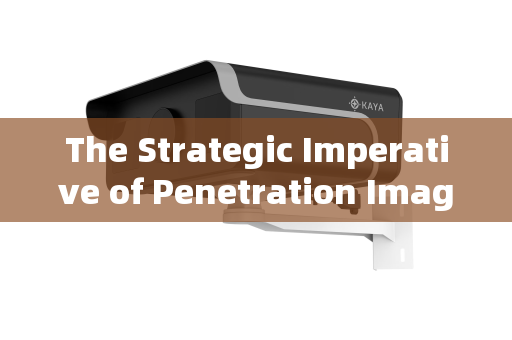
Penetration Imager Effect Images
-
Broad-Area Surveillance and Intrusion Detection: Mounted on fixed towers or mobile units, PIS can monitor vast, unlit areas of a park perimeter, forests, or waterfronts. Its ability to penetrate light foliage, haze, and darkness makes it ideal for detecting intruders at long ranges, well before they reach sensitive inner areas, facilitating early warning and interception.
Integration into Broader Security Ecosystems
The true power of Penetration Imaging is realized when its data feeds into a larger Smart Security, Smart City, or Command and Control (C2) platform. Real-time video and 3D data can be fused with other sensor inputs (radar, thermal, analytics), providing operators with a comprehensive, layered understanding of the threat environment. This supports predictive policing, forensic evidence gathering, and proactive security management.
Conclusion
The role of the Penetration Imaging System in modern park checkpoint security is fundamentally proactive, penetrative, and persistent. It moves security forces from reactive observation to active discovery, stripping away the concealment offered by darkness, weather, and common materials. By delivering reliable intelligence in extreme conditions and enabling covert inspections, PIS serves as a powerful force multiplier for law enforcement, military police, and emergency services. It is not just an imaging device but a cornerstone technology for building resilient, intelligent, and effective security control regimes capable of addressing the sophisticated threats of the 21st century. As these systems evolve, their integration will become standard for high-tier perimeter protection, ensuring that checkpoints are not just barriers, but intelligent gateways managed with clarity and precision.