In the complex and dynamic landscape of modern urban security, checkpoint reconnaissance stands as a first and vital line of defense. It is tasked with the formidable challenge of detecting threats, verifying identities, and maintaining situational awareness amidst dense populations, vehicular traffic, and intricate structures. Traditional optical and thermal imaging systems often reach their limits in adverse conditions or when confronted with obscured compartments. This is where advanced penetration imaging systems, leveraging cutting-edge laser range-gated imaging technology, emerge as a transformative force, redefining the capabilities of security personnel in urban environments.
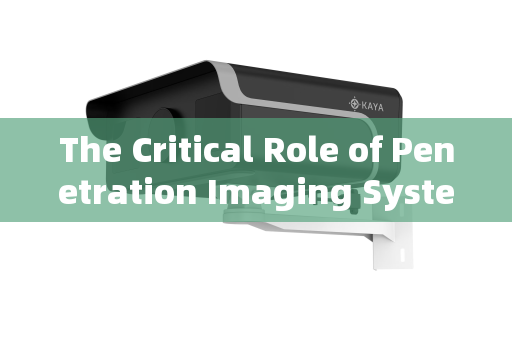
Penetration Imager Effect Images
Understanding Penetration Imaging Technology
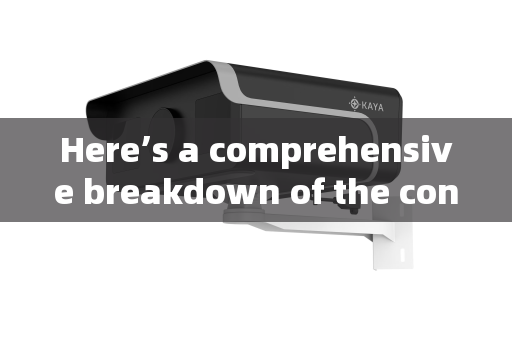
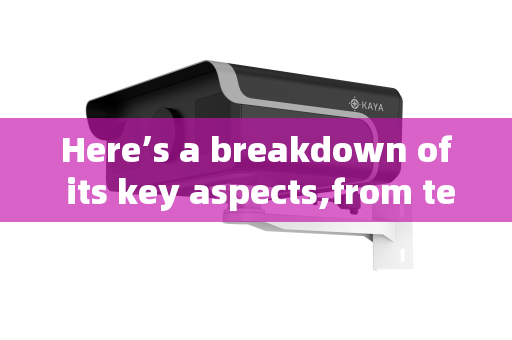
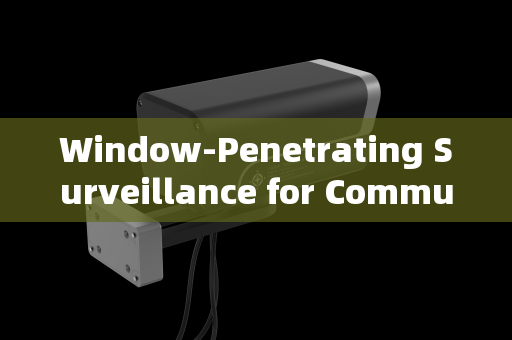
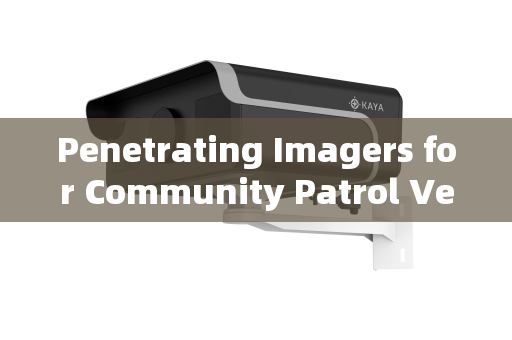
A penetration imaging system is not merely a camera; it is a sophisticated active imaging suite engineered to "see through" visual obstructions. Its core innovation lies in the precise synchronization of a high-repetition-rate pulsed laser and a gated, intensified camera. The system operates by emitting ultra-short, high-power laser pulses toward a target area. The camera's ultra-fast electronic shutter, or "gate," is synchronized to open only for a precise nanosecond-time window corresponding to the exact time it takes for the laser light to travel to a specific "slice" of space and back. By progressively delaying this gate, the system sequentially images different depth slices, effectively stacking them to build a clear composite image of the target zone.
This Laser Range-Gated (LRG) Imaging technique confers decisive advantages crucial for urban operations:
- Superior Contrast & Reduced Backscatter: It selectively captures light from the target plane while rejecting scattered light from obscurants like smoke, fog, mist, rain, or dust that plague conventional imaging.
- Long-Range, High-Resolution Imaging: It enables target identification at distances far beyond passive low-light systems, even in total darkness.
- Medium Penetration Capability: A key tactical feature is its ability to non-invasively "see through" various types of glass (car windows, building facades, aircraft portholes, train windows) and other semi-transparent media, revealing interior details without alerting occupants.
Application in Urban Checkpoint Reconnaissance
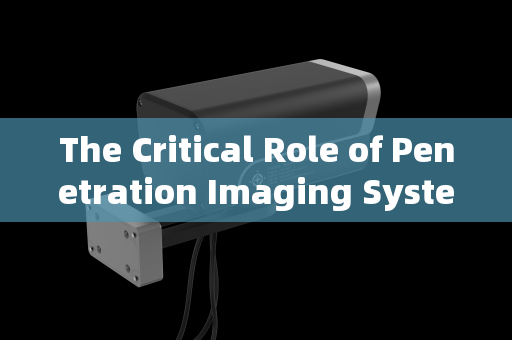
Penetration Imager Effect Images
At urban checkpoints—whether permanent infrastructure at city entrances, temporary vehicle control points (VCPs), or perimeter security around high-value targets—the system's capabilities translate into direct operational benefits for law enforcement and security agencies.
-
Enhanced Vehicular Inspection: Suspicious vehicles can be screened covertly and at a safe stand-off distance. The system can penetrate tinted, dirty, or reflective windows and windshields to identify the number of occupants, detect unusual cargo (e.g., weapons, illicit materials), or observe suspicious behavior inside the cabin, all without approaching the vehicle or directing visible light that could alert suspects.
-
Improved Situational Awareness in Adverse Conditions: Checkpoints must operate 24/7, regardless of weather. Penetration imaging maintains clarity through haze, light rain, and nighttime darkness, ensuring that perimeter surveillance and threat assessment are not degraded. Its strong light suppression capability also mitigates glare from vehicle headlights or urban lighting.
-
Building and Structure Assessment: For checkpoints guarding sensitive buildings or during counter-terrorism operations, the system can be used to inspect rooms from a distance through standard windows or glass facades, aiding in hostage situation assessment or pre-entry reconnaissance of a stronghold.
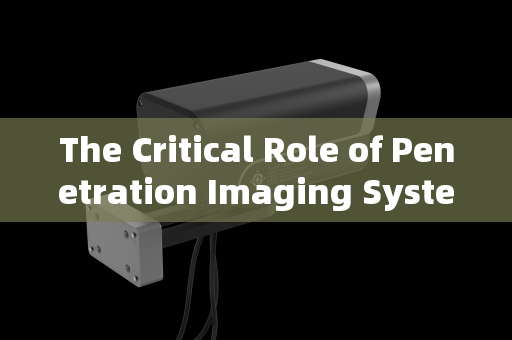
Penetration Imager Effect Images
-
Counter-Concealment and Forensic Evidence Gathering: The technology can help in detecting objects hidden behind thin layers or within smoky environments following an incident. At a checkpoint following a security alert, it could assist in examining a vehicle's interior for hidden compartments with greater fidelity than standard methods.
Broader Context in Security and Emergency Response
The value of penetration imaging extends seamlessly from the checkpoint to interconnected urban security and emergency domains:
- Law Enforcement & Counter-Terrorism: Vital for covert surveillance, evidence collection, and operations in challenging visual environments during anti-terror raids, arrests, or maritime intercepts.
- Emergency Response (Fire & Rescue): In urban firefighting, it allows incident commanders to see through smoke and flames to locate victims, assess structural integrity, and identify hot spots, dramatically improving rescue efficiency and firefighter safety in high-rise or complex structural fires.
- Critical Infrastructure Protection: It strengthens the security of airports, railway stations, power plants, and government facilities by enabling long-range, all-weather surveillance capable of penetrating common visual barriers.
- Border & Coastal Security: Its long-range, fog-penetrating ability is invaluable for monitoring coastal approaches, ports, and riverine borders, ensuring continuity of surveillance in poor weather.
Conclusion
The penetration imaging system represents a paradigm shift in sensor technology for urban security operations. By mastering light and time at the nanosecond level, it pierces through the visual clutter and obstructions characteristic of the urban environment. At the critical juncture of a checkpoint, it provides security forces with an unprecedented, non-invasive, and all-weather "x-ray vision" capability. This not only enhances force protection and operational stand-off but also significantly increases the probability of detecting and deterring threats that would otherwise remain concealed. As urban threats evolve, the integration of such advanced imaging systems into checkpoint reconnaissance protocols is no longer just advantageous—it is becoming essential for ensuring public safety and maintaining tactical superiority in the complex urban battlespace.