In the high-stakes environments of international ports and border crossings, security and efficiency are non-negotiable priorities. The constant flow of incoming vehicles and personnel presents a formidable challenge: how to conduct thorough, non-intrusive inspections without causing disruptive delays, especially under adverse conditions or when facing sophisticated concealment attempts. This is where advanced Penetration Imaging Systems emerge as a game-changing technological force, redefining the standards for inspection and surveillance.
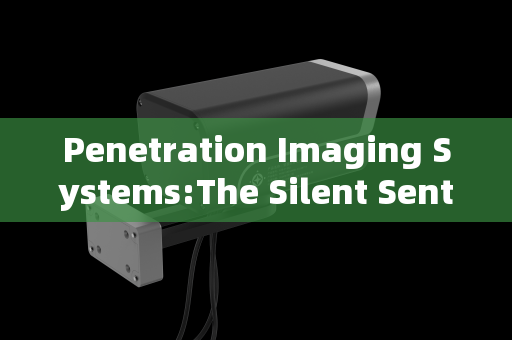
Penetration Imager Effect Images
Understanding the Technology: Seeing the Unseeable
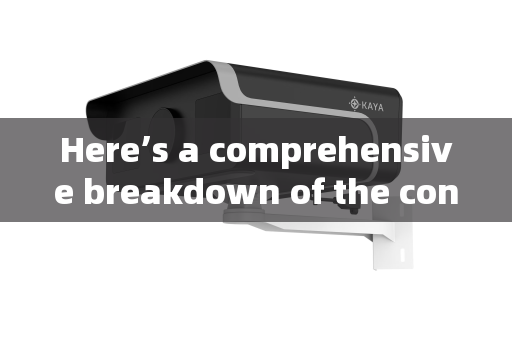
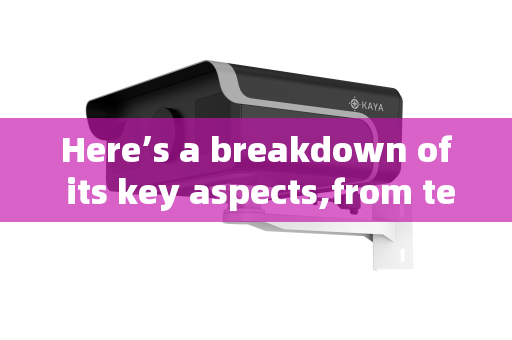
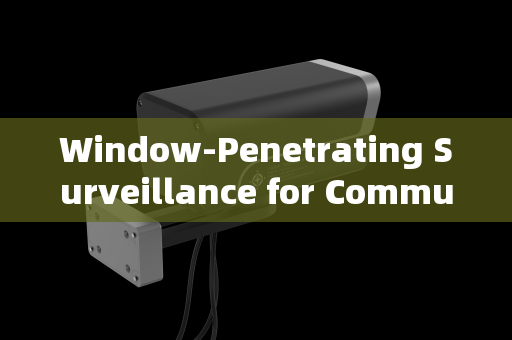
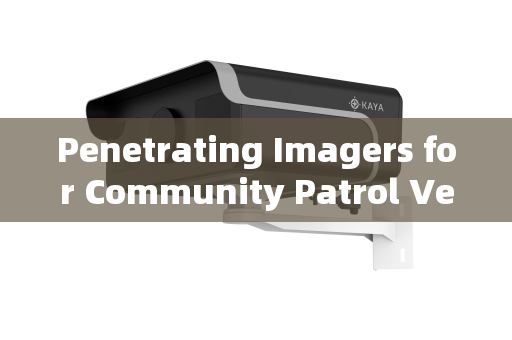
At its core, a Penetration Imaging System is not a conventional camera. It is a sophisticated active imaging platform that utilizes Laser Range-Gated Imaging (Gated Imaging) technology. The system innovatively combines a high-repetition-rate pulsed laser with a gated intensifier camera. The principle involves emitting ultra-short, nanosecond laser pulses towards a target area. The gated camera, synchronized with pinpoint temporal precision (down to picoseconds), opens its shutter only for the exact moment the laser light reflected from a specific, pre-determined "slice" of distance returns. By progressively scanning through different distance slices, the system constructs a clear, high-contrast image.
This method confers several critical advantages:
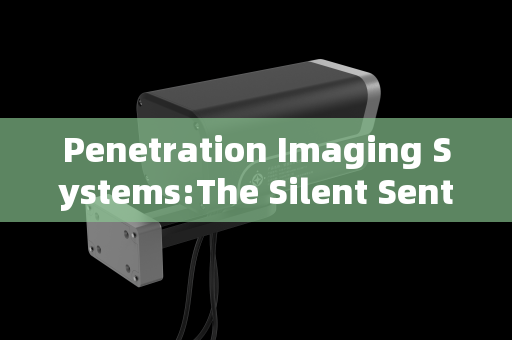
Penetration Imager Effect Images
- Superior Penetration & Clarification: It effectively overcomes backscatter from obscurants, allowing it to see through smoke, fog, haze, rain, snow, and even light foliage.
- Medium Penetration: A key capability is its ability to penetrate various glass types—car windows, laminated windshields, building幕墙, train windows, and aircraft portholes—with minimal reflection, revealing interior details.
- Extended Range & Precision: It operates effectively in total darkness or extreme low-light, providing long-range imaging with high distance resolution.
- Covert Potential: The laser illumination can be discreet, enabling passive, stand-off observation.
The system's hardware, typically comprising a pulsed laser, a beam expander, an imaging lens, and the core Gated Intensifier Camera (housing a Microchannel Plate (MCP) image intensifier, high-voltage module, and precision timing electronics), enables optical gains exceeding 10^6 and shutter speeds below 3 nanoseconds.
Pivotal Role in Port and Border Inspections
For border control and port authorities, this technology translates into enhanced capabilities across multiple domains:
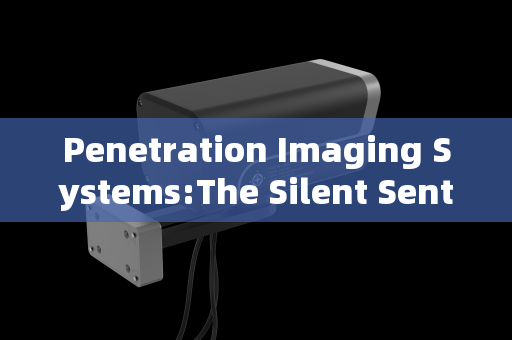
Penetration Imager Effect Images
Vehicle Inspection & Cargo Screening: Incoming trucks, shipping containers, and personal vehicles are primary vectors for smuggling contraband, weapons, or unauthorized personnel. A penetration imaging system deployed at a stand-off distance can:
- Conduct rapid, preliminary scans of vehicle cabins and cargo holds through glass and light obstructions, identifying anomalies without physical contact.
- Detect hidden compartments or irregular shapes behind semi-opaque covers or within seemingly normal loads, especially in low-visibility conditions (night, fog).
- Support customs and immigration by quickly verifying cargo manifests or identifying potential human concealment in non-breathable spaces, enhancing officer safety by providing intelligence before a physical search.
Personnel Screening and Perimeter Security: While not replacing individual metal detectors or body scanners, these systems play a crucial role in wider area security:
- Monitor unmanned perimeter zones or coastal approaches in complete darkness or poor weather, detecting illicit crossings or approaching vessels.
- Observe behavior and activities inside terminal buildings or on docks through windows from a distance, aiding in behavioral analysis and threat assessment without alerting subjects.
- Assist in challenging environments like ferry terminals or cruise ship docks, where weather and lighting are highly variable.
Emergency Response Integration: Ports and borders are not immune to accidents or attacks. In emergency scenarios such as:
- Vehicle fires on inspection lanes or shipboard fires, the system can peer through intense smoke and flames to locate trapped individuals or assess structural integrity, guiding rescue operations.
- Hazardous material incidents, where visual identification is dangerous, stand-off penetration imaging can help identify container markings or vehicle interiors.
- Active threat situations, providing security forces with the ability to see into buildings or vehicles where suspects may be barricaded.
Maritime and Coastal Border Security: A critical application lies in maritime domain awareness:
- Long-range, all-weather surveillance of coastal waters and port approaches, penetrating sea fog and haze to monitor vessel traffic, identify suspicious craft, and ensure safe navigation.
- Ship-to-ship or ship-to-shore inspection, enabling authorities to examine other vessels' bridges, decks, or suspect activities through portholes or windows during intercepts, often before boarding.
- Anti-piracy and counter-smuggling operations, providing a critical intelligence-gathering advantage at night or in adverse weather.
Conclusion: A Force Multiplier for Modern Security
The penetration imaging system acts as a force multiplier for port and border security agencies. It shifts the paradigm from reactive, physical inspections to proactive, intelligence-led screening. By delivering reliable visual intelligence through obscurants and glass, in darkness and in light, it significantly closes the vulnerabilities exploited by threats seeking to cross borders clandestinely. Its role is that of a silent, persistent sentinel—extending the senses of security personnel, enhancing operational safety, deterring illicit activities, and ensuring that the vital arteries of global trade and travel remain secure, efficient, and resilient against evolving threats. As security challenges grow more complex, the adoption of such deep sensing technologies will undoubtedly become a cornerstone of strategic border and port management.