Through the Veil: The Critical Role of Penetration Imaging Systems in Border Security and Interception of Illegal Immigration In the relentless and complex arena of border security, the clandestine movement of individuals across international boundaries presents a persistent and evolving challenge. Conventional surveillance methods—reliant on visible-light cameras, thermal imaging, or human patrols—often falter under the cloak of darkness, adverse weather, or deliberate concealment within vehicles and structures. It is within this operational gap that advanced penetration imaging systems, leveraging cutting-edge laser range-gated imaging technology, are emerging as a transformative force, fundamentally enhancing the capability to detect, identify, and intercept illegal border crossings.
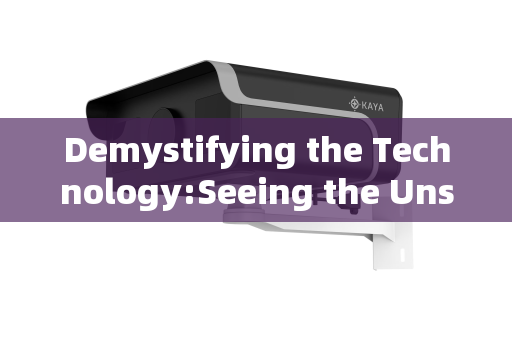
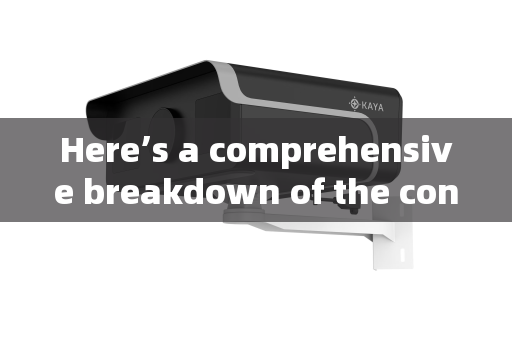
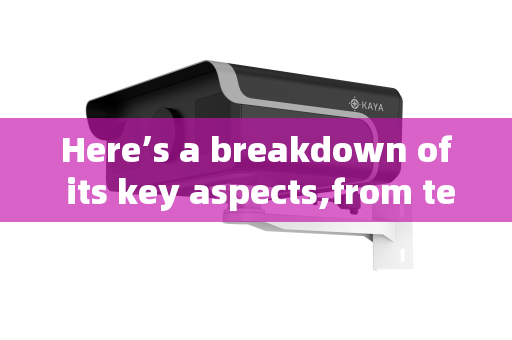
Penetration Imager Effect Images
A penetration imaging system is not merely a camera; it is a precision time-slicing instrument for vision. Its core innovation lies in the synchronized marriage of a high-repetition-rate pulsed laser and a gated intensifier camera. The system operates by emitting ultra-short, nanosecond laser pulses towards a target area. The gated camera, synchronized with picosecond precision, opens its "shutter" only for a minuscule, controllable time window after each pulse is emitted.
This process, known as range-gating, allows the system to capture photons reflected only from a specific "slice" of space at a predetermined distance, while ignoring all backscattered light from obscurants like fog, rain, smoke, or dust in front of that slice. By rapidly stacking these sequentially captured slices, the system constructs a high-contrast, detailed image of the target zone. Key components include the pulsed laser, the gated intensifier camera (featuring a Microchannel Plate (MCP) for gains exceeding 10^6, a high-voltage module, and precise timing electronics), beam expanders, and imaging lenses.
This architecture grants the system unparalleled advantages critical for border operations: extreme long-range imaging capability, high distance resolution, powerful anti-interference characteristics, and the unique ability to penetrate various transparent and semi-transparent media. It can see through vehicle windows (including tinted ones), train glass, aircraft portholes, and certain types of curtains or covers, revealing concealed occupants or contraband without any physical contact or visible illumination.
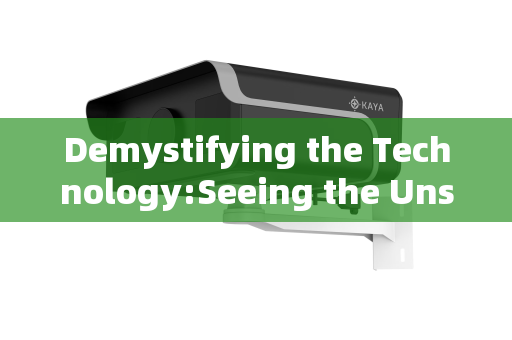
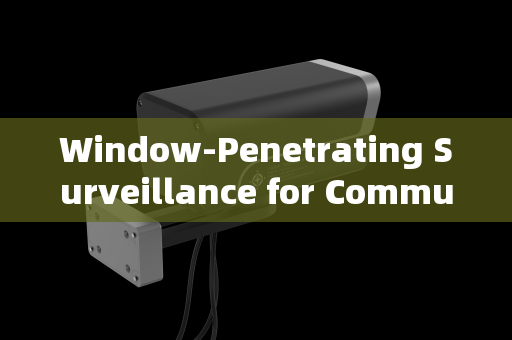
Penetration Imager Effect Images
Application at the Frontier: A Force Multiplier for Border Agencies
In the context of border interception of illegal immigrants, the penetration imaging system acts as a persistent, all-weather "x-ray eye," significantly augmenting security layers.
-
Vehicle Interdiction at Checkpoints and Beyond: A primary method for smuggling individuals is concealment within commercial or private vehicles. Traditional inspections can be invasive, time-consuming, and may miss sophisticated hideouts. Penetration imaging systems deployed at primary and secondary inspection lanes can conduct rapid, non-intrusive scans. Officers can instantly verify the number of occupants inside a sealed truck cabin, shipping container, or a car with heavily tinted windows, identifying discrepancies with manifests or detecting hidden compartments without alerting the subjects. Mobile units can also scan vehicles at a distance from unmarked positions, building probable cause for a selective stop.
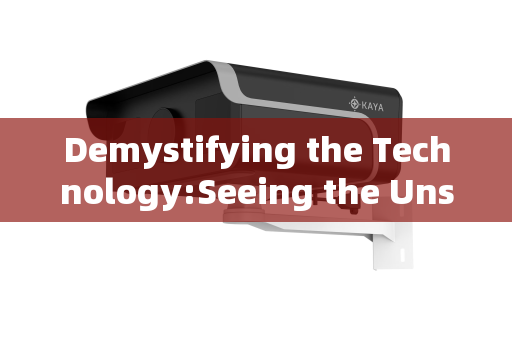
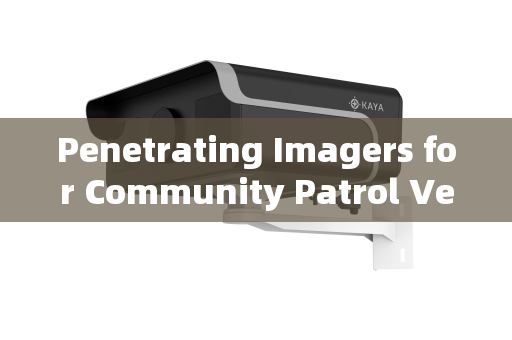
Penetration Imager Effect Images
-
Long-Range, Covert Surveillance in Harsh Environments: Border terrain is often vast, remote, and subject to extreme conditions—pitch-dark nights, dense fog, sandstorms, or heavy precipitation. Here, the system's ability to "see" through obscurants while operating passively (the laser is eye-safe and invisible) is invaluable. Fixed or mobile towers equipped with these systems can monitor known crossing corridors, mountain passes, or riverbanks over several kilometers. They can detect and track the movement of individuals or groups attempting to cross under cover of weather or darkness, providing real-time actionable intelligence to intercept teams long before the border line is reached.
-
Structural and Area Denial: Illegal immigrants often use buildings, caves, or foliage near borders as staging areas or temporary hideouts. Penetration imaging can be used to scan structures from a standoff distance, determining if they are occupied, counting individuals inside, or monitoring activity through windows without breaching the perimeter prematurely. This supports tactical planning for raids or containment operations.
-
Maritime and Riverine Border Security: On coastal and river borders, the challenges multiply with spray, fog, and darkness. Penetration imaging systems mounted on patrol vessels, helicopters, or coastal observation posts provide clear imaging capability through these conditions. They can identify small, low-profile vessels (often used in smuggling), count occupants on decks or through cabin windows, and monitor suspicious embarkation/disembarkation activities on shores, even in complete darkness or light fog.
-
Integration with Broader Security Ecosystems: The intelligence gathered is most potent when fused. These systems integrate seamlessly with Command, Control, Communications, Computers, and Intelligence (C4I) networks. The high-resolution imagery and target range data can cue other assets like pan-tilt-zoom (PTZ) cameras, drone swarms, or ground patrols. They feed into automated surveillance systems equipped with analytics for object classification (human vs. animal) and behavior detection, creating a proactive, intelligent border monitoring fabric.
Conclusion: A Paradigm Shift in Border Vigilance
The penetration imaging system represents a paradigm shift from reactive to proactive and from vulnerable to resilient border surveillance. By granting security forces the definitive ability to operate in "zero-visibility" conditions and peer through common concealment methods, it strips away the fundamental advantages exploited by traffickers and illegal crossers. It enhances interception rates, improves officer safety by enabling standoff detection, and acts as a powerful deterrent. As this technology continues to evolve and become more accessible, its role in securing national frontiers, safeguarding sovereignty, and upholding the integrity of immigration systems will undoubtedly become indispensable, ensuring that the veil of darkness and concealment is no longer a viable shield against the law.