Penetrating imaging technology for seeing through tinted vehicle windows typically leverages specific optical and computational techniques. Here's a technical explanation of how it generally works:
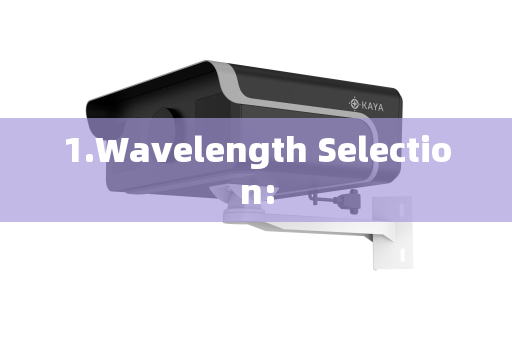
Penetration Imager Effect Images
- Tinted windows are designed to block or absorb visible light (approximately 400–700 nm) but may allow transmission of non-visible wavelengths (e.g., near-infrared or shortwave infrared).
- Specialized cameras use sensors sensitive to these infrared (IR) wavelengths, enabling imaging through tints that appear opaque to human eyes.
-
Illumination Enhancement:
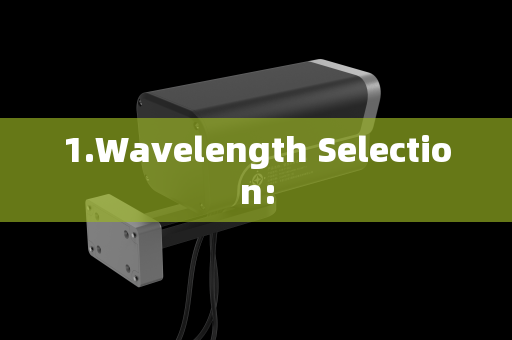
Penetration Imager Effect Images
- In low-light conditions, active IR illuminators may be used to project IR light onto the scene. Since tinted windows often transmit IR, the light can pass through, reflect off objects inside the vehicle, and return to the camera.
-
Sensor Sensitivity & Filtering:
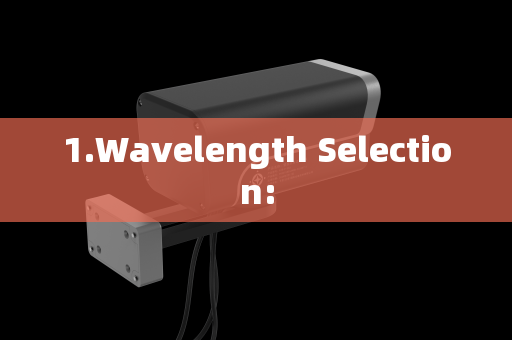
Penetration Imager Effect Images
- The camera uses an IR-sensitive sensor (common in surveillance or scientific imaging) and may remove standard IR-blocking filters found in consumer cameras.
- Optical bandpass filters can isolate specific IR wavelengths that optimally penetrate the tint material.
-
Image Processing:
- Raw IR images may have low contrast or noise. Advanced algorithms (e.g., contrast enhancement, noise reduction, edge sharpening) improve clarity.
- In some systems, multi-spectral fusion combines IR with other sensor data (e.g., thermal or millimeter-wave) to reconstruct details.
-
Limitations & Constraints:
- Effectiveness depends on the tint material—some metallic or specialized tints block IR.
- Thick, multi-layered, or reflective tints can reduce penetration.
- Privacy laws and regulations often restrict such imaging in non-official contexts.
Common Applications:
- Law enforcement or security checks (e.g., inspecting vehicles at checkpoints).
- Search-and-rescue operations (locating occupants in darkened vehicles).
This technology is distinct from thermal imaging (which detects heat emissions) and radar-based imaging (which uses radio waves). Its utility lies in exploiting the spectral transparency of materials at non-visible wavelengths.