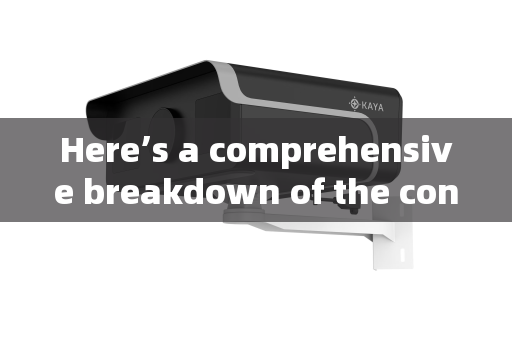
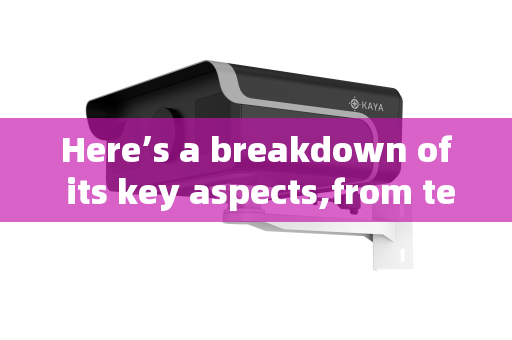
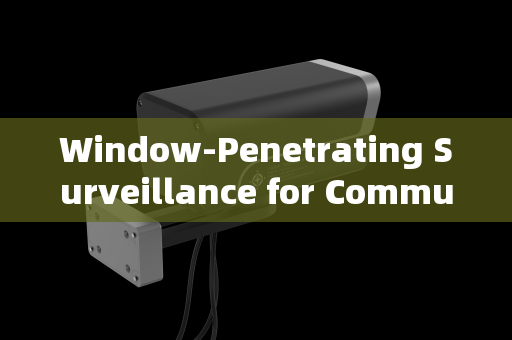
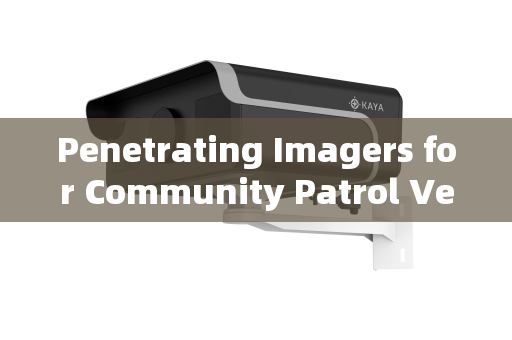
Excellent topic. Mobile Patrol Vehicle Reconnaissance with window-penetrating imaging represents a significant leap forward in law enforcement, security, and military operations, shifting from reactive response to proactive, informed intervention. Here is a detailed breakdown of the concept, technology, applications, and considerations. The primary goal is to provide operators inside a moving patrol vehicle with real-time situational awareness of the interior of structures (vehicles, buildings) before physical entry or even stopping. This mitigates ambush risks, locates hidden individuals (suspects, hostages, victims), and confirms the presence of threats or contraband, all from a standoff position.
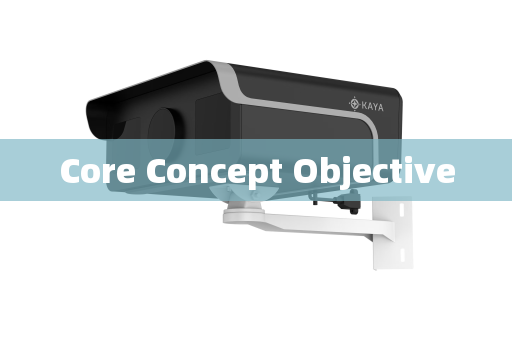
Penetration Imager Effect Images
Key Enabling Technologies
This capability is not based on a single "X-ray vision" device but a fusion of advanced sensors and processing:
-
Radio Frequency (RF) / Radar-Based Systems:
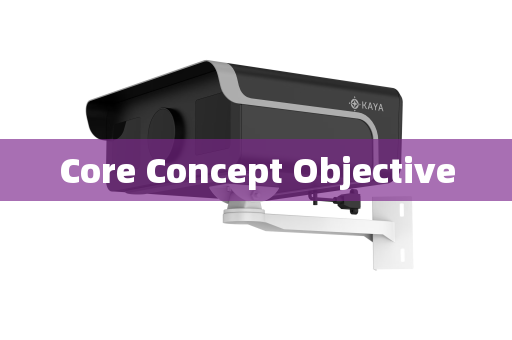
Penetration Imager Effect Images
- How it works: Low-power radio waves (in the S-band, ~3 GHz) penetrate non-metallic materials like drywall, wood, and clothing but reflect off the human body and certain objects. By analyzing the Doppler shift and time delay of the reflected signals, the system can detect and track movement, and even detect static human forms through respiration (chest movement).
- Primary Use: Detecting human presence and motion behind walls and vehicle doors. It can distinguish between a room with a person and an empty one.
- Limitations: Lower resolution for detailed imagery; metallic surfaces (like car body panels, rebar) block signals; can struggle with multiple, closely spaced individuals.
-
Terahertz (THz) Imaging:
- How it works: Occupies the spectrum between microwaves and infrared. THz radiation penetrates many dielectric materials (fabric, plastic, paper, ceramics) but is reflected by metals and absorbed by water. It can reveal concealed objects under clothing (plastic weapons, explosives) and, in some configurations, see through thin, non-metallic barriers.
- Primary Use: Concealed object detection on persons near the vehicle and short-range interior screening.
- Limitations: Short effective range (typically < 10-25 meters); severely attenuated by rain, fog, and humidity.
-
Multi-Spectral & Infrared (IR) Sensors:
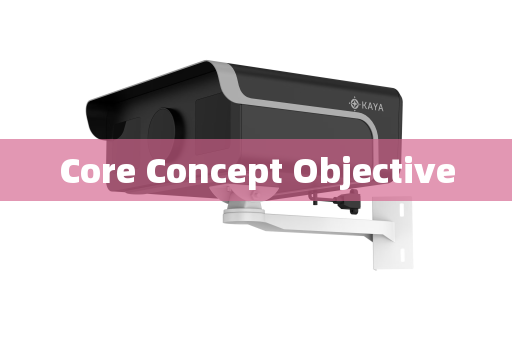
Penetration Imager Effect Images
- How it works: While not truly "penetrating," long-wave infrared (LWIR) cameras detect heat signatures. They can identify hotspots (recently occupied car seats, operating electronics behind walls) and, crucially, can detect human body heat through thin, non-insulated barriers like certain curtains or blinds, providing a "heat silhouette."
- Primary Use: Complementary awareness—detecting thermal anomalies, recent activity, and presence where other sensors are blocked.
-
Sensor Fusion & AI Processing:
- The Critical Enabler: Raw sensor data is complex. AI algorithms fuse inputs from RF, THz, and IR sensors, creating an intuitive, annotated overlay on a live video feed or 3D model of the target structure.
- Capabilities: Alerts the operator ("Movement Detected: 2nd Floor, Rear Room"), classifies objects ("Anomaly: Metallic Object, Person-Carried"), and reduces cognitive load by highlighting potential threats.
Integration into Mobile Patrol Vehicles
- Platform: Systems are mounted on standard patrol SUVs, armored vehicles, or specialized reconnaissance units.
- Deployment: Sensors are typically housed in a low-profile, ruggedized pod on the vehicle's roof or bumper, allowing for 360-degree scanning while the vehicle is stationary or moving at slow speeds.
- Operator Interface: A dedicated screen inside the vehicle displays the fused data overlay on a real-world camera view or simple building schematic. Control is via a touchscreen or handheld controller.
Operational Advantages for Real-Time Situational Awareness
- Ambush Avoidance: Before approaching a suspicious vehicle or building entry point, officers can scan for hidden occupants.
- Hostage/Barricade Situations: Determine the number and location of individuals inside a structure without revealing tactical positions.
- Search & Rescue: Locate victims trapped in rubble or collapsed structures by detecting breathing and slight movements.
- Counter-Smuggling & Border Security: Scan cargo containers or vehicle compartments for stowaways or concealed compartments from a standoff distance.
- Tactical Planning: Provides critical intelligence for dynamic entry teams, allowing for precise and informed breach points.
Ethical, Legal, and Practical Considerations
- Privacy Concerns: The ability to "see into homes" from a public street raises significant 4th Amendment (U.S.) and privacy law questions. Legal frameworks are evolving, but typically require a warrant or exigent circumstances (e.g., immediate threat to life).
- Regulation: Use is heavily governed by policy, often restricting deployment to high-risk warrant service or clear emergency scenarios.
- False Positives/Negatives: Systems are not infallible. Training must emphasize that the data is an information aid, not conclusive proof.
- Environmental Limitations: Performance degrades in rain, against certain building materials (metal siding, thick concrete), and in cluttered environments.
The Future
The trajectory points towards:
- Miniaturization & Lower Cost: Making the technology accessible to more agencies.
- Enhanced AI: Better discrimination between humans, animals, and moving objects (like fans).
- Networked Data Sharing: Sharing the sensor feed in real-time with command centers and other units.
- Integration with Other Systems: Linking with UAV (drone) feeds, facial recognition databases (for visible individuals), and augmented reality (AR) headsets for dismounted officers.
Conclusion
Window-penetrating imaging for mobile patrols is a transformative force-multiplier. It fundamentally changes the risk calculus for officers entering unknown environments. While not a magic solution and bounded by important legal and technical limits, it delivers the promised real-time situational awareness that can save lives—both officer and civilian—by turning the unknown into the known before a door is ever opened. The key to its responsible and effective use lies in robust operator training, clear legal protocols, and understanding it as a premier intelligence-gathering tool within a broader tactical framework.