Excellent and highly relevant question. This represents a critical capability gap in law enforcement and tactical operations. The challenge of "fugitive vehicle pursuit recon" requires imaging systems that can defeat Visible Light (VIS) obstacles (tint, dirt, glare) and penetrate the vehicle's exterior to reveal the interior. Here is a breakdown of the primary penetrating imager technologies and their operational application for this scenario:
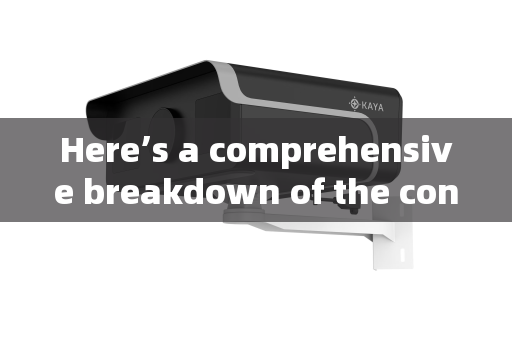
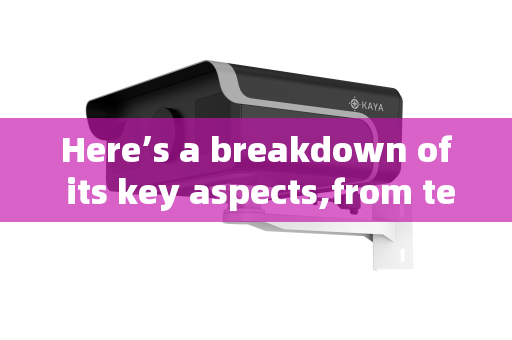
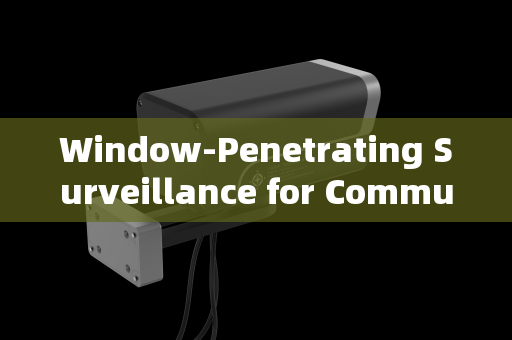
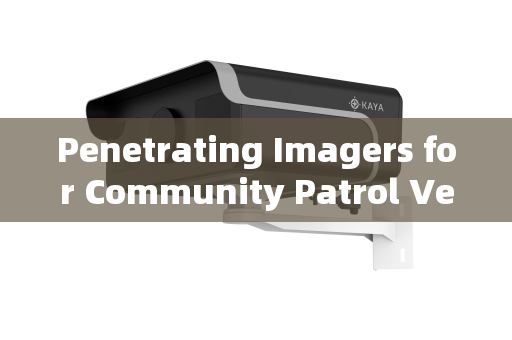
Penetration Imager Effect Images
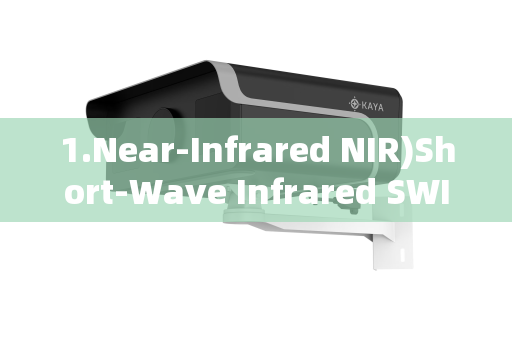
- How it Works: These systems operate just beyond the visible spectrum. Most common automotive window tint is designed to block visible light but can be transparent to specific NIR/SWIR wavelengths.
- Penetration Capability: Good for defeating standard dyed/polyester tint. Can see through light smoke, dust, and light fog better than visible light.
- Monitor Interior: Can reveal occupant count, gross movements (reaching, slumping), and large objects. Crucially, it can sometimes see through a vehicle's rear-window defroster lines, which are a major visual obstacle.
- Limitations: Does not work on metallicized or ceramic "high-performance" tint, which is designed to block infrared for heat rejection. Provides a monochrome or false-color image, not a natural view.
- Operational Use: Mounted on pursuit vehicles (dash/roof) or airborne platforms (helicopters, drones). SWIR cameras, while more expensive, perform better in low-light conditions.
Mid-Wave & Long-Wave Infrared (MWIR/LWIR) - Thermal Imaging
- How it Works: Detects heat signatures (blackbody radiation) emitted by all objects. It does not rely on reflected light.
- Penetration Capability: CANNOT penetrate glass. Standard automotive glass is highly opaque to thermal wavelengths. The imager sees the temperature of the windows themselves, not the interior.
- Monitor Interior: Not directly. However, it is invaluable for:
- Confirming a hot and recently occupied vehicle (engine block, hood, tires, windshield will be warmer).
- Detecting if a suspect has recently exited (a hot footprint on cooler ground).
- In cold weather, a warm human silhouette may be faintly visible against a cold window, but this is unreliable.
- Operational Use: Essential for perimeter containment after a vehicle is stopped, to track suspects if they flee on foot into darkness or foliage. Not for through-window interior recon during pursuit.
Terahertz (THz) Imaging - The Future "Through-Wall" for Vehicles
- How it Works: Operates in the sub-millimeter wave band, between microwaves and infrared. It can penetrate many non-conductive, non-metallic materials (clothing, plastic, paper, fog) but is reflected by metals and water.
- Penetration Capability: High potential for vehicle penetration. It can pass through non-metallic paints, plastics, and—most importantly—glass and most window tints. It sees the reflections off objects and people inside.
- Monitor Interior: Could reveal the shape, position, and potentially concealed objects (guns, explosives) under clothing of occupants. Can operate day or night and in adverse weather.
- Limitations: Technology is still emerging, expensive, and systems can be bulky. Resolution is lower than optical. Heavy rain significantly attenuates the signal.
- Operational Use: Currently in R&D and limited specialized deployment. Future systems could be mounted on intercept vehicles or checkpoints to conduct a "quick scan" of a fleeing vehicle's interior threat level.
Low-Frequency Radar & Ultrawideband (UWB) Sensors
- How it Works: Uses radio waves to detect movement and gross shapes based on reflectivity and Doppler shift.
- Penetration Capability: Excellent. Can easily penetrate glass, plastic, and vehicle body panels.
- Monitor Interior: Can detect presence, count, and respiration of occupants (via micro-Doppler from chest movement). Can sense significant motion (ducking, reaching).
- Limitations: Provides data, not a photographic image. It's a "blob" or signature display. Cannot identify faces or specific small objects. Can be confused by multiple reflectors.
- Operational Use: Covert sensors at checkpoints or for stationary surveillance of a parked vehicle. Less practical for high-speed pursuit due to beam focus and motion challenges.
Passive/Active Sensor Fusion & AI Enhancement
- State of the Art: This is where the field is heading. Systems combine data streams:
- A SWIR camera for visual-like penetration.
- A thermal camera for heat context.
- Radar for occupancy/movement confirmation.
- AI algorithms process the fused data to:
- Automatically highlight and count occupants.
- Classify poses (e.g., "driver holding object," "passenger turned around").
- Compensate for obscurants like heavy rain or window grime.
Operational Synthesis: The "Recon Stack" for a Pursuit
-
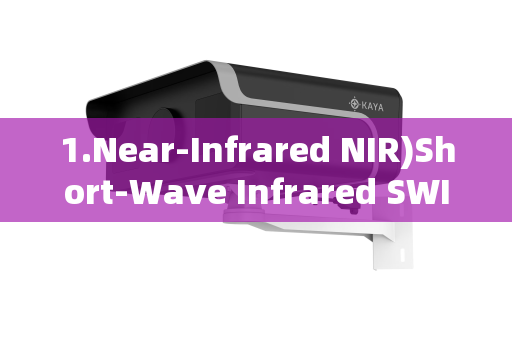
Primary (Pursuit Vehicle/Air): SWIR Imager. Provides the best real-time, video-rate imagery that can defeat common tints and see through glare/dust. Gives the pursuit commander crucial data: How many? Are they armed? Are they preparing to bail?
Penetration Imager Effect Images
-
Secondary (Air/Perimeter): Thermal Imager (MWIR/LWIR). Once stopped, thermal monitors for heat signatures of suspects trying to hide or flee from the vehicle, especially at night.
-
Strategic/Checkpoint (Future): Terahertz Portal or UWB Sensor. Deployable systems at roadblocks or strategic points to conduct a forced-stop scan of the vehicle's interior before officers approach, dramatically increasing officer safety.
Key Takeaway: No single technology is a magic "see-through-car" lens. Short-Wave Infrared (SWIR) is currently the most practical and effective technology for the specific task of monitoring the interior of a moving vehicle with tinted windows during a pursuit. It directly addresses the visible light blockage problem. The future lies in fusing SWIR with other sensors and AI to provide a comprehensive, interpreted threat picture to the officer in real-time.
Penetration Imager Effect Images