Executive Summary
Through-glass imaging enables law enforcement and security teams to maintain continuous visual surveillance on target vehicles from within nearby structures or vehicles, overcoming the critical limitation of window obstruction. This report details the operational requirements, technological solutions, and implementation strategies for effective through-glass surveillance in escape vehicle tracking scenarios.
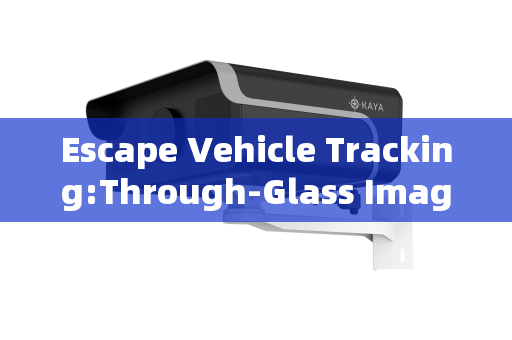
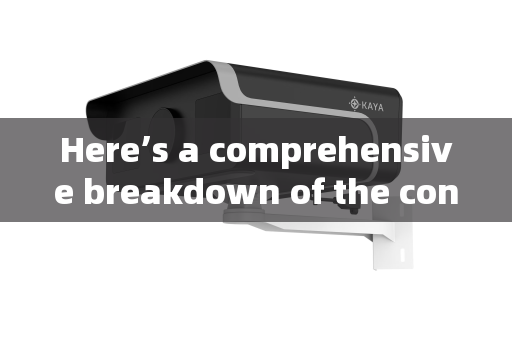
Penetration Imager Effect Images
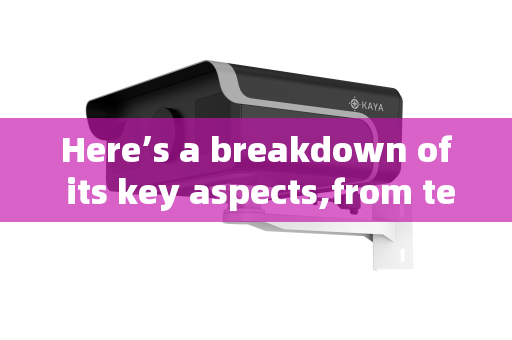
Penetration Imager Effect Images
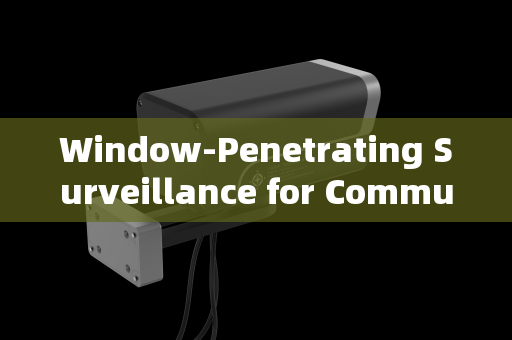
Penetration Imager Effect Images
0 The Core Challenge: Glass as an Imaging Barrier
Standard optical surveillance fails when:
- Reflections: Daytime exterior reflections obscure interior details
- Thermal Blockage: Standard auto glass blocks 70-90% of long-wave infrared (LWIR)
- Low-Light Limitations: Night operations require illumination that compromises covert status
- Weather Dependency: Rain, fog, and condensation on windows degrade image quality
0 Technical Solutions for Through-Glass Imaging
1 Thermal Imaging (MWIR/LWIR)
- MWIR (3-5μm): Partially transmits through silicon-based glass, enabling limited thermal imaging
- Specialized Glass: Germanium or zinc selenide optics allow full thermal transmission
- Limitation: Most vehicle glass blocks 8-14μm LWIR spectrum entirely
2 SWIR (Short-Wave Infrared) Imaging
- Wavelength: 0.9-1.7μm
- Advantage: Penetrates standard silica glass with minimal attenuation
- Capabilities:
- Sees through light fog, smoke, and inclement weather
- Provides reflection-free daytime imaging
- Maintains facial recognition capability at medium ranges
- Functions with low-light or covert illumination
3 Active Gated Imaging
- Technology: Ultra-short pulsed laser illumination synchronized with camera gating
- Benefit: Eliminates reflections by capturing only light from specific distances
- Application: Effective for night operations through tinted windows
4 Multi-Spectral Fusion
- Approach: Combining visible, SWIR, and thermal data streams
- Processing: AI-assisted fusion algorithms prioritize relevant data
- Output: Continuous tracking regardless of lighting or weather conditions
0 Operational Implementation
1 Stationary Observation Posts
- Setup: Apartment windows, office buildings, parking structures
- Equipment: Tripod-mounted SWIR systems with remote monitoring
- Cover Story: Maintenance, construction, or photography as plausible activities
- Duration: Capable of 24/7 monitoring with shift changes
2 Mobile Tracking Platforms
- Modified Vehicles: Delivery vans, utility trucks, RVs with concealed optics
- Challenges: Vibration dampening, power management, operator comfort
- Advantage: Ability to relocate as situation evolves
3 Rapid Deployment Systems
- Backpack Configurations: Portable through-glass imaging for temporary positions
- Quick Setup: Under 5-minute deployment from case to operational status
- Covert Design: Appears as standard photography or industrial equipment
0 Surveillance Integration
1 Real-Time Data Pipeline
Through-Glass Imaging → Encrypted Transmission → Command Center → Analysis Team → Field Units- Latency: <2 seconds from capture to actionable intelligence
- Integration: Overlay on maps, link to license plate recognition, facial identification
2 Counter-Surveillance Considerations
- Detection Risk: SWIR illuminators may be detectable by adversarial equipment
- Signature Reduction: Baffles, shields, and indirect mounting to minimize visible signature
- Operational Security: Regular position changes, light discipline, communication protocols
0 Legal and Ethical Framework
1 Regulatory Compliance
- Jurisdictional Variance: Laws differ regarding surveillance through windows
- Expectation of Privacy: Reduced in vehicles but still applicable in certain contexts
- Documentation: Maintaining audit trails of surveillance justification and authorization
2 Operational Constraints
- Minimization Principle: Collecting only relevant data to investigation
- Data Handling: Secure storage, limited access, proper destruction protocols
- Oversight: Judicial warrants or departmental authorization as required
0 Limitations and Countermeasures
1 Technical Limitations
- Extreme Tinting: Metallic-based tints may block all infrared transmission
- Double-Paned Glass: Creates additional reflective surfaces and attenuation
- Angle Constraints: Beyond 45° from perpendicular, reflection problems increase
- Range: Effective tracking typically limited to 100-500 meters depending on optics
2 Adversarial Counter-Detection
- IR-Blocking Films: Commercial products designed to prevent thermal imaging
- Curtains/Blinds: Simple but effective counter-surveillance measure
- Vehicle Positioning: Backing against walls or in covered parking
0 Future Developments
- Quantum Imaging: Technologies capable of extracting images from minimal photons
- AI-Enhanced Processing: Reflection removal algorithms improving standard optical imaging
- Adaptive Optics: Compensating for glass distortion in real-time
- Miniaturization: Smartphone-sized through-glass imaging systems
Conclusion
Through-glass imaging transforms escape vehicle tracking by enabling continuous surveillance from concealed positions that would otherwise be ineffective. The optimal solution typically involves SWIR technology for its balance of glass penetration, image quality, and operational flexibility. Successful implementation requires integration of appropriate technology with sound operational tactics and adherence to legal frameworks. As both technology and countermeasures evolve, maintaining capability requires ongoing training, equipment updates, and tactical innovation.
This document outlines technical and operational considerations for authorized law enforcement and security personnel only. Implementation must comply with all applicable laws and regulations governing surveillance activities in the relevant jurisdiction.