In the high-stakes domain of dignitary protection, the margin for error is zero. Security details operate in complex, dynamic environments where threats can be obscured by darkness, weather, or deliberate concealment. Traditional surveillance and reconnaissance methods often reach their limits when confronted with opaque barriers like vehicle windows, building glass, or environmental clutter. This is where advanced penetration imaging systems emerge as a transformative force, fundamentally enhancing the capabilities of security supervision for high-profile individuals.
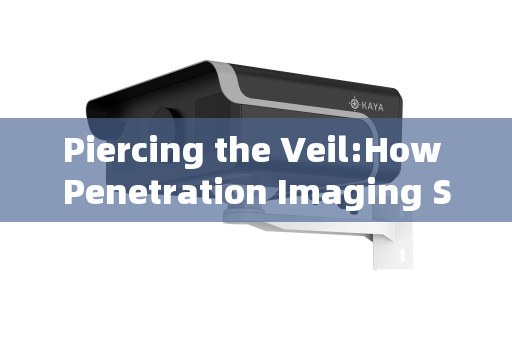
Penetration Imager Effect Images
Understanding Penetration Imaging Technology
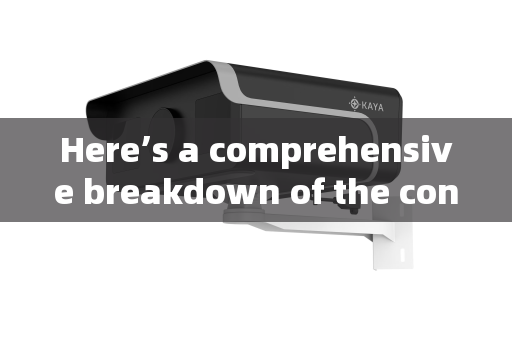
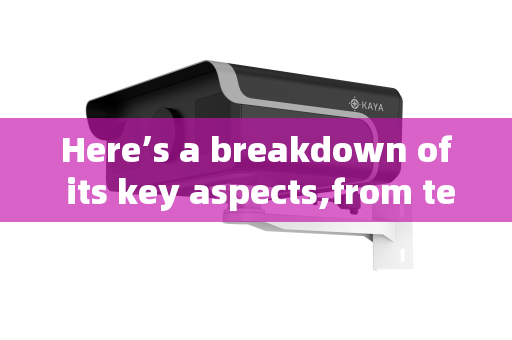
At its core, a penetration imaging system is a sophisticated electro-optical device designed to "see through" visual obstructions. It employs advanced Laser Range-Gated Imaging (LRG) or "gated imaging" technology. The system innovatively combines a high-repetition-rate pulsed laser with a gated, intensified camera. By achieving precise nanosecond-level synchronization between the laser pulse and the camera's shutter, the system can selectively image discrete "slices" of space based on time-of-flight. This process effectively stacks images of successive distance segments.
This technical approach yields critical advantages: exceptional imaging range, high distance resolution, robust resistance to interference, and, most importantly, the effective suppression of backscatter from obscurants. It enables high-contrast imaging in extreme low-light or no-light conditions and can penetrate various media including automotive glass, architectural windows (e.g., curtain walls, bulletproof glass), train and aircraft windows, as well as environmental obstructions like fire, smoke, fog, haze, rain, and snow. Some systems also offer underwater imaging capabilities.
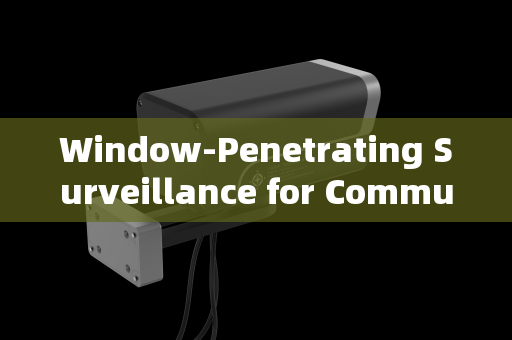
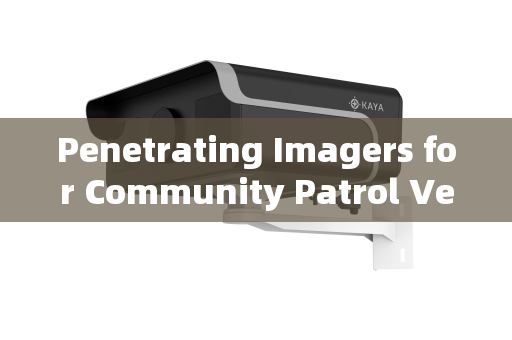
Key components typically include a pulsed laser emitter, a gated intensified camera (featuring a Microchannel Plate - MCP - image intensifier, high-voltage module, timing module, and gating circuitry), beam expanders, and imaging lenses. The camera can achieve over 10^6 optical gain, a sub-3-nanosecond optical shutter, and timing synchronization precision better than 10 picoseconds, allowing for high-precision 3D data acquisition of targets.
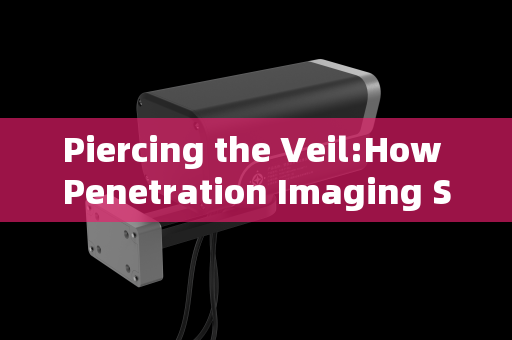
Penetration Imager Effect Images
The Critical Role in Dignitary Security Supervision
The application of this technology in dignitary protection shifts the paradigm from reactive security to proactive, intelligence-led supervision. Its roles are multifaceted:
Advanced Counter-Surveillance and Pre-Mission Reconnaissance: Prior to a dignitary's movement, security teams can covertly scan buildings, parked vehicles, and natural landscapes along the planned route. The system's ability to penetrate windows allows for the detection of hidden occupants, weapons, or suspicious devices inside structures or vehicles from a safe standoff distance, without alerting potential threats. This enables the disruption of ambushes or monitoring setups before the principal's arrival.
Enhanced Mobile Security Convoys: The principal's vehicle is a focal point. Penetration imaging systems mounted on lead or escort vehicles can continuously scan vehicles ahead, alongside, or following the motorcade. They can identify potential threats inside other cars—such as armed individuals—through their side or rear windows, even at night or in adverse weather. This provides an unparalleled layer of situational awareness for the close protection team during transit.
Penetration Imager Effect Images
Secure Perimetermonitoring and Venue Security: At hotels, conference centers, or private residences, these systems can monitor the outer perimeter through windows or glass doors. They can distinguish between harmless wildlife and a human intruder lurking behind foliage or glass in complete darkness. During events, they can scan crowds from an elevated position, looking through windows of nearby buildings for potential sniper positions or observation posts.
Maritime and Coastal Protection: For dignitaries traveling by water or residing near coastlines, these systems support maritime security. They enable long-range imaging through fog and mist, suppress glare from water surfaces, and can maintain surveillance capabilities during poor weather, ensuring the security of approaches by sea.
Integration with Emergency Response: In the event of an incident such as an attack, accident, or fire, penetration imaging becomes vital for rescue and tactical response. Teams can locate the dignitary and other individuals through smoke-filled rooms or shattered, obscured windows. They can identify safe entry points and assess internal threats before breaching, aligning with best practices in tactical emergency medicine and high-threat rescue.
Synergy with Modern Security Infrastructures
Penetration imaging technology integrates seamlessly into broader "Smart Security," "Smart City," and "Smart Policing" frameworks. Data from these systems can be fused with other intelligence sources (e.g., CCTV, drone footage, comms intercepts) to create a comprehensive Common Operating Picture (COP) for the security command center. This facilitates real-time, data-driven decision-making and coordinated resource deployment.
Conclusion
The penetration imaging system is far more than just a sophisticated camera; it is a force multiplier for dignitary security supervision. By lifting the veil of concealment offered by common materials and environmental conditions, it grants protection teams a decisive informational advantage. It transforms unknown unknowns into known entities, allowing for threat neutralization at the earliest possible stage—often before a threat can even materialize. In the relentless pursuit of proactive protection, this technology stands as a pivotal tool, ensuring that security details are not merely reacting to the visible, but are actively supervising and controlling the environment in its entirety, visible or not. Its adoption represents a significant leap forward in ensuring the safety of those under protection in an increasingly complex world.