In the vast and often challenging terrains of rural jurisdictions, law enforcement patrols face unique obstacles. Limited visibility due to darkness, adverse weather, and the inherent difficulty of safely inspecting vehicle compartments demand advanced technological solutions. The penetration imaging system, leveraging cutting-edge laser range-gated imaging technology, has emerged as a transformative tool, fundamentally enhancing the safety, efficiency, and effectiveness of rural patrol vehicle inspections.
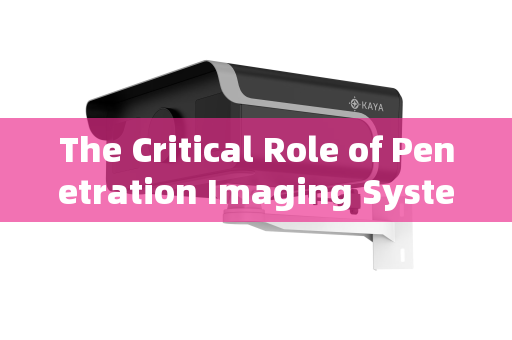
Penetration Imager Effect Images
Understanding the Penetration Imaging System
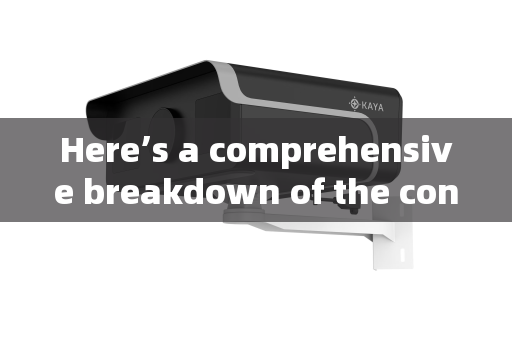
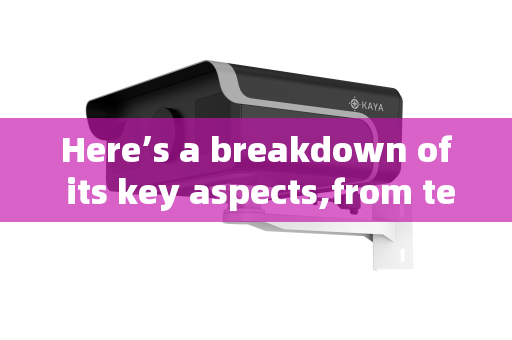
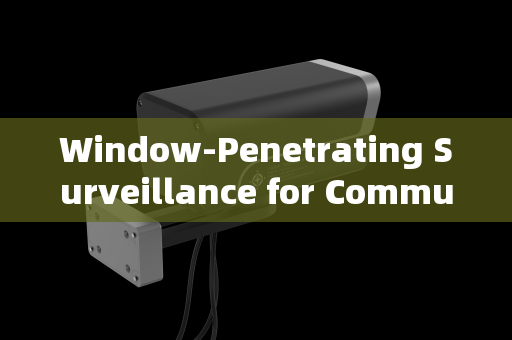
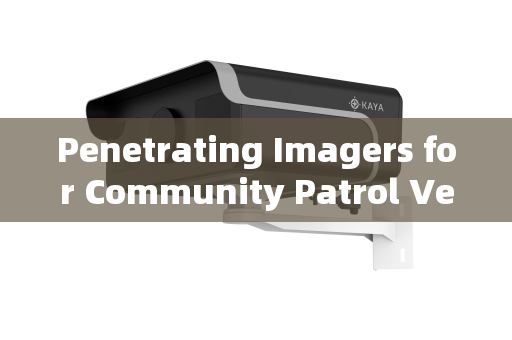
At its core, a penetration imaging system is a sophisticated active imaging device designed to "see through" visual obstructions. It operates on the principle of Laser Range-Gated (LRG) or Gated Imaging. The system integrates a high-repetition-frequency pulsed laser with a gated intensifier camera. By emitting short, powerful pulses of laser light and precisely synchronizing the camera's ultra-fast electronic shutter (with gating times below 3 nanoseconds) to open only when the light reflected from a specific, pre-determined distance slice returns, it effectively "slices" the field of view into layers. This process, repeated and stacked, constructs a clear image of the target area while rejecting backscatter from intermediate obscurants like smoke, fog, dust, rain, or snow. Key components include the pulsed laser, the gated/intensified camera (featuring a Microchannel Plate - MCP - for gains exceeding 10^6x), beam expanders, and imaging lenses.
This technology confers exceptional capabilities: long-range imaging, high distance resolution, powerful anti-interference performance, and effective suppression of backscatter. Crucially, it can penetrate various types of glass (vehicle windows, laminated glass, aircraft portholes) and media (fire, smoke, precipitation, haze) with minimal sensation to occupants, making it ideal for covert or stand-off reconnaissance.
Application in Rural Patrol Contexts: Beyond the Obvious Stop
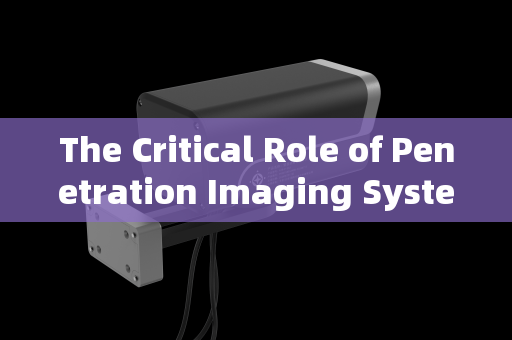
Penetration Imager Effect Images
Rural patrols encounter scenarios where traditional visual inspection is insufficient or hazardous. The penetration imaging system plays several pivotal roles:
-
Enhanced Officer Safety during Traffic Stops: Approaching a vehicle at night or in heavy fog is a high-risk activity. From a safe stand-off distance (dozens to hundreds of meters), an officer can use the system to scan the vehicle's interior before initiating the stop. This allows for the identification of potential threats such as visible weapons, suspicious movements, or an unusually high number of occupants, informing the officer's approach strategy and threat assessment.
-
Covert Surveillance and Investigation: Rural areas are often used for illicit activities like drug trafficking, illegal weapons trade, or human smuggling due to their relative isolation. The system's ability to perform long-range, all-weather, and through-window surveillance enables officers to monitor suspicious vehicles or locations discreetly, gathering critical intelligence without alerting suspects. This is invaluable for building cases or intercepting criminal operations.
-
Search and Rescue (SAR) Integration: While primarily a law enforcement tool, its capabilities directly benefit SAR operations often led by sheriff's departments. In search scenarios for missing persons—especially in wooded areas, at night, or in poor weather—the system can penetrate foliage, light fog, or rain to detect the heat signature or reflected light from a person, vehicle, or item of clothing. Inspecting abandoned vehicles in remote locations for clues or occupants becomes faster and safer.
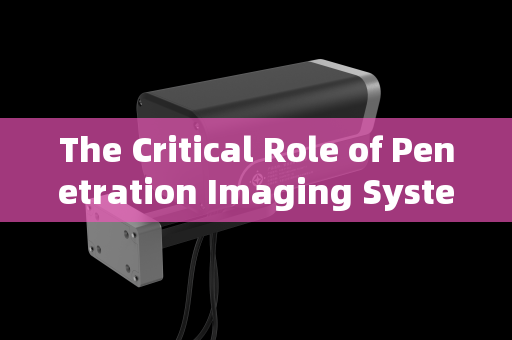
Penetration Imager Effect Images
-
Overcoming Environmental Adversity: Rural patrols cannot be halted by darkness, snowstorms, or dense morning fog. The penetration imaging system ensures operational continuity. It provides clear imaging capability when human vision and standard camera systems fail, allowing for continued patrol efficacy, perimeter security of critical rural infrastructure, and safe response to incidents in virtually any condition.
-
Vehicle Compartment Inspection: Suspicious vehicles, perhaps identified at a distance or through intelligence, can be preliminarily inspected without immediate physical contact. The system can potentially identify large, obscured objects in cargo holds of vans or trunks of cars, irregular shapes suggestive of concealed persons, or specific contraband outlines, providing probable cause for a more detailed search.
Operational Advantages for Rural Agencies
For resource-constrained rural departments, the system offers a force multiplier effect. It extends the sensor reach of a single patrol unit, reduces direct physical threats to officers, and increases the probability of successful interdiction and investigation in complex rural environments. It aligns perfectly with the evolving needs of Smart Policing and Smart Security initiatives, even in non-urban settings, by providing data-rich, real-time situational awareness.
Conclusion
The penetration imaging system is far more than a simple night vision device. It is a comprehensive all-weather, obstruction-penetrating reconnaissance tool that directly addresses the critical pain points of rural law enforcement patrols. By enabling safer, smarter, and more effective vehicle inspections and area surveillance from a distance, it empowers officers to protect and serve their communities with significantly reduced risk and enhanced operational capability. As this technology becomes more accessible, it is poised to become a standard asset in the modern rural patrol vehicle, fundamentally changing the dynamics of roadside and investigative operations in the countryside.