Beyond Heat Signatures: Unveiling the Operational Divide Between Penetration Imaging Systems and Infrared Thermal Imagers** In the critical fields of emergency response, law enforcement, and defense, acquiring actionable visual intelligence in compromised environments is paramount. Two advanced imaging technologies often at the forefront are Penetration Imaging Systems and Infrared (IR) Thermal Imagers. While both serve to reveal what the naked eye cannot, their fundamental principles, capabilities, and optimal applications differ significantly. Understanding this distinction is crucial for deploying the right tool for the mission.
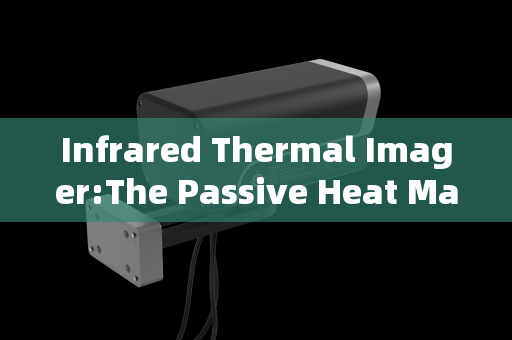
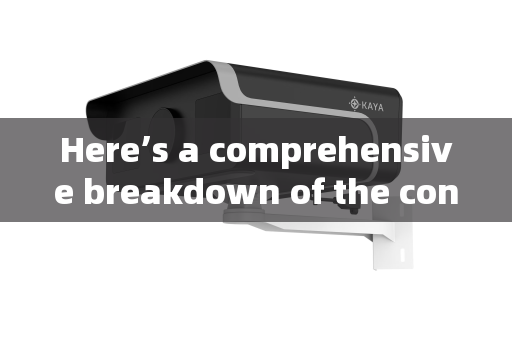
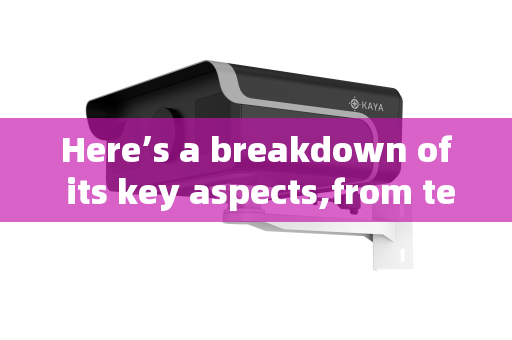
Penetration Imager Effect Images
An Infrared Thermal Imager is a passive detection system. It operates by sensing the mid-wave (MWIR) or long-wave (LWIR) infrared radiation—essentially heat—naturally emitted by all objects. It creates a visual representation, or thermogram, where different temperatures are displayed in varying colors or shades of gray. Its performance is inherently tied to the thermal contrast between a target and its background.
- Strengths: Excellent for detecting living beings, overheating components, or recently used equipment based on their heat signatures. It works effectively in total darkness and can see through some obscurants like smoke or light fog to a degree.
- Limitations: Being passive, it cannot "see" through transparent barriers like glass or windows, as these materials are often opaque to long-wave IR. It provides no detail on objects at ambient temperature and offers limited structural information. Performance can degrade in environments with minimal thermal contrast or under intense solar loading.
Penetration Imaging System: The Active "Slice-and-Dice" Scout
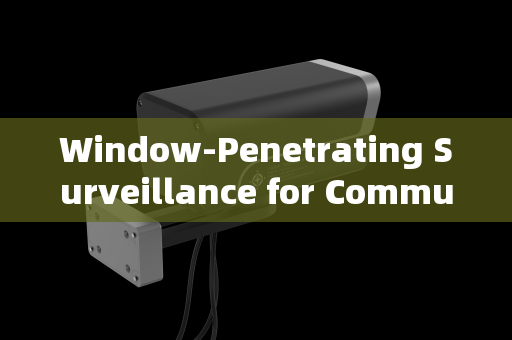
Penetration Imager Effect Images
A Penetration Imaging System represents a paradigm shift as an active, laser-gated imaging technology. It does not rely on ambient light or heat; instead, it illuminates the scene with its own high-frequency, nanosecond-pulsed laser. The core innovation lies in its precise synchronization with a gated, intensified camera.
Here’s how it works: The system emits a powerful, ultra-short laser pulse. The intensifier tube in the camera, acting as an ultra-fast shutter (with gating capabilities under 3ns), opens only for a precisely timed, narrow window after the pulse has traveled to a specific distance and back. This process, known as Laser Range Gating or Time-Gated Imaging, allows the system to selectively capture light reflected only from a specific "slice" of space, ignoring all backscattered light from particulates (fog, smoke, rain) in front of and behind that slice. By stacking these slices, it builds a clear image.
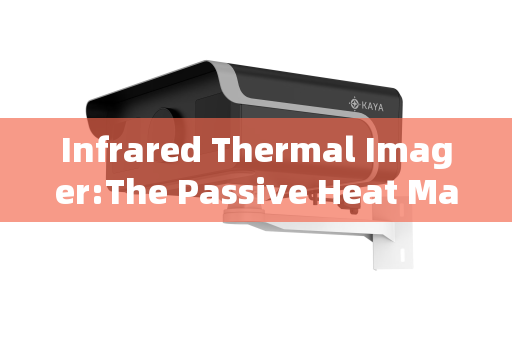
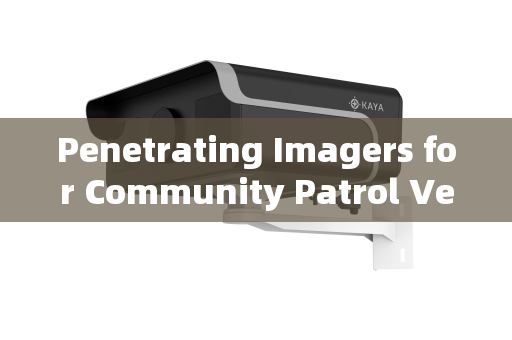
Penetration Imager Effect Images
Core Differentiators and Advantages:
- Overcoming Backscatter & Medium Penetration: This is its defining capability. By rejecting light from obscurants outside the gated range, it achieves unparalleled clarity in smoke, fog, haze, rain, and snow. Crucially, it can also "see through" various glass types (car windows, building glass, aircraft portholes) by detecting the minimal reflected laser light from objects behind the glass, which standard IR cannot do.
- Extreme Low-Light to No-Light Operation: It creates its own illumination, delivering high-contrast, detailed imagery in pitch darkness where thermal imagers might only show a blob-like heat signature.
- Long-Range, High-Resolution Intelligence: The combination of powerful pulsed lasers and highly sensitive, gated intensifiers (with optical gain exceeding 10^6) enables long-distance reconnaissance with high spatial and range resolution. The sub-10ps synchronization precision allows for accurate 3D data acquisition of the target scene.
- Covertness and Anti-Interference: The laser illumination can be in narrow, eye-safe spectral bands, making detection difficult. The system is highly resistant to interference from ambient light sources, including glare and artificial lighting.
Application-Driven Choice: A Comparative Summary
| Feature | Penetration Imaging System | Infrared Thermal Imager |
|---|---|---|
| Principle | Active: Laser illumination & time-gated detection | Passive: Detection of emitted heat radiation |
| Key Strength | Penetrating obscurants (smoke/fog/rain) & transparent barriers (glass); high-detail imaging in darkness | Detecting heat signatures of people, vehicles, hotspots; passive and discreet |
| Glass/Window | Can image objects behind most types of glass | Cannot see through standard glass (blocks LWIR/MWIR) |
| Detail in Darkness | Provides high-contrast, detailed imagery resembling daylight video | Provides a heat map; detail is poor on objects at ambient temperature |
| Primary Use Cases | Emergency Services: Through-window/search in urban/forest fire rescue; interior reconnaissance through smoke. Law Enforcement/Military: Stand-off surveillance through windows; forensic search in smoke; maritime/coastal patrol in fog; underwater imaging. Security: Critical infrastructure protection in all weather. |
Emergency Services: Locating fire hotspots, victims via body heat in open areas. Law Enforcement/Military: Perimeter surveillance, detecting hidden persons in foliage, night operations. Industrial: Predictive maintenance, building diagnostics. |
Conclusion
The choice between a Penetration Imaging System and an Infrared Thermal Imager is not about which is superior, but about which is suited to the operational challenge. The Infrared Thermal Imager remains the go-to tool for passive heat-based detection and identification. In contrast, the Penetration Imaging System is a specialized, active reconnaissance tool designed to defeat specific visual obstacles—be it blinding backscatter from adverse weather or the visual barrier of a window. For mission profiles demanding intelligence gathering through obscurants and transparent barriers in low-light conditions, it provides a critical, unmatched capability, enhancing operational effectiveness and safety for first responders and tactical units alike.