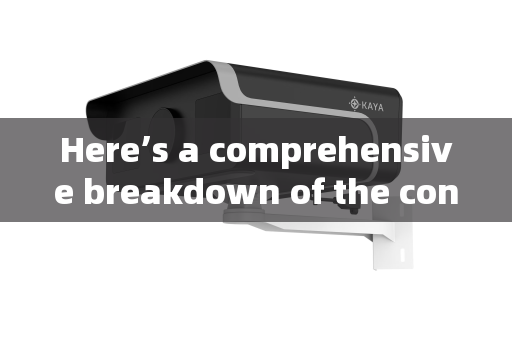
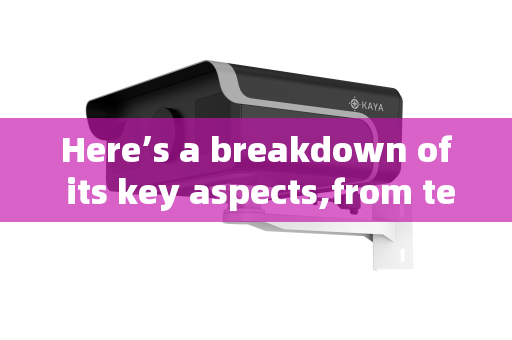
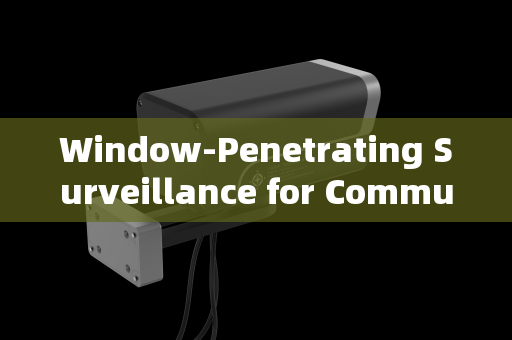
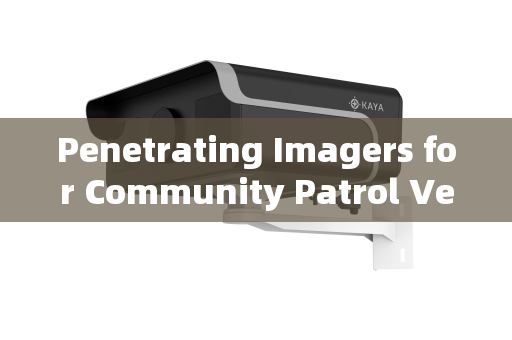
Penetration Imaging Systems (PIS), leveraging advanced Laser Range-Gated Imaging (LRGI) technology, represent a paradigm shift in optical surveillance and detection. By innovatively integrating high-repetition-rate pulsed lasers with gated intensifier cameras, these systems achieve precise temporal synchronization. This allows for the "slicing" and scanning of different distance planes through controlled nanosecond time delays, effectively building a clear image slice by slice. This core functionality enables high-contrast imaging in extreme conditions, boasting exceptional attributes: long operational range, high distance resolution, robust resistance to interference, and a superior ability to overcome backscatter from obscurants. Consequently, PIS meets the critical demand for long-range, non-invasive reconnaissance by penetrating various media—such as vehicle windows, architectural glass, aircraft portholes, as well as fire, smoke, rain, snow, fog, and haze—under low-light or no-light conditions. Their utility extends to underwater imaging, promising a vast application landscape. Comprising primarily a pulsed laser, a gated/intensified camera (with components like a Microchannel Plate (MCP) intensifier, high-voltage module, and timing/gating circuitry capable of >10^6 optical gain, <3ns optical gating, and优于 10ps synchronization precision), beam expander, and imaging lens, these systems facilitate high-precision 3D information acquisition.
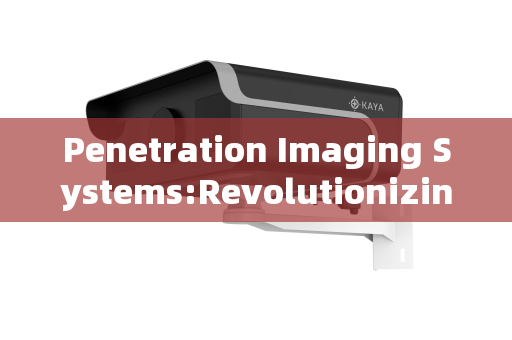
Penetration Imager Effect Images
Emergency Response & Public Safety In high-stakes emergency scenarios, PIS dramatically enhances situational awareness and operational efficiency. For urban and wildland firefighting, these systems enable firefighters to "see through" dense smoke and flames, identifying victims, structural integrity threats, and fire hotspots from a safe standoff distance, thereby guiding rescue operations and reducing casualties. They are indispensable in search and rescue (SAR) missions for disaster response, mine accidents, and maritime incidents, locating individuals through visual barriers. Furthermore, they serve high-level fire training facilities, live-fire simulation systems, and the protection of critical infrastructure like landmark buildings, allowing for realistic training and preventive security sweeps in obscured environments.
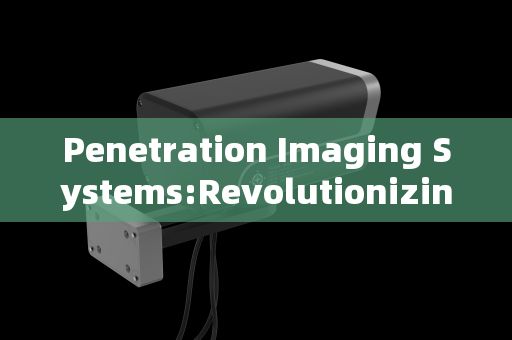
Penetration Imager Effect Images
Law Enforcement, Counter-Terrorism & Military Operations PIS provides a decisive tactical advantage in law enforcement and defense. Agencies utilize them for covert surveillance and reconnaissance, secretly tracking subjects or gathering intelligence through windows and glass facades. In counter-terrorism and force protection, they enable the screening of vehicles (detecting超员超载, illicit materials) or buildings from a distance without alerting suspects. They are vital for evidence collection and tactical assault planning, allowing officers to assess indoor threats before entry. Applications extend to border security (combating smuggling, illegal trafficking), counter-insurgency, and military targeting, where seeing through battlefield obscurants (dust, fog) or compartment windows is crucial for mission success and personnel safety. They form a cornerstone for Smart Policing and Intelligent Security frameworks, enhancing proactive crime prevention.
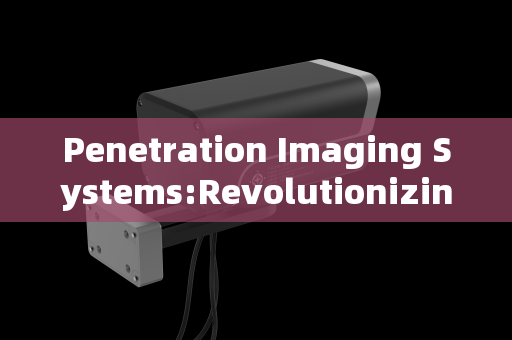
Penetration Imager Effect Images
Coastal & Border Defense, Maritime Security Maritime and border environments are plagued by poor visibility. PIS excels in long-range haze-penetration imaging and glare suppression, ensuring continuous surveillance and security operations in adverse weather. This capability is critical for naval warfare tasks, enabling target identification and engagement guidance through mist and sea spray. It safeguards port security and vessel traffic management by aiding safe navigation and dock approach in low visibility. For coastal border patrol, it enhances the detection of illicit activities, such as unauthorized vessel approaches or crossings, day or night, under most meteorological conditions.
Infrastructure Inspection & Industrial Applications Beyond security, PIS offers transformative potential for non-destructive inspection. It can peer through surface obstructions to inspect structural elements, identify defects behind facades, or monitor industrial processes within enclosed, smoky, or steamy environments—applications relevant to aviation maintenance (inspecting through aircraft components), power plant operations, and industrial safety monitoring.
Emerging Frontiers: Smart Cities & Underwater Exploration Integrating PIS into Smart City ecosystems and Intelligent Traffic Systems could enable all-weather, all-condition monitoring of critical transportation hubs, tunnels, and public spaces. Their inherent underwater imaging capability opens avenues for marine archaeology, subsea infrastructure maintenance (pipelines, cables), search and recovery operations, and scientific research in turbid waters.
In conclusion, Penetration Imaging Systems transcend traditional imaging limitations, offering a versatile, powerful tool for information dominance across civilian, security, and military domains. Their ability to deliver clear intelligence through challenging media and conditions positions them as a critical asset for enhancing safety, operational effectiveness, and strategic oversight in an increasingly complex world. The convergence of their capabilities with emerging technologies like AI and data fusion will undoubtedly unlock further transformative applications in the years to come.