Beyond the Glass Veil: How Penetration Imaging Systems See Through Curtain Walls for Enhanced Security and Emergency Response In the domains of high-stakes security, critical emergency response, and military operations, the ability to acquire clear visual intelligence through visual obstructions is not merely an advantage—it is a tactical imperative. Modern architectural aesthetics, characterized by vast glass curtain walls, present a significant challenge for conventional surveillance and reconnaissance. Similarly, vehicle windows, specialized glass, and atmospheric conditions like smoke or fog can shroud threats and critical details. This is where advanced Penetration Imaging Systems rise to the challenge, employing sophisticated Laser Range-Gated Imaging (LRGI) technology to achieve the remarkable feat of non-invasive penetration imaging through glass curtain walls and other media**.
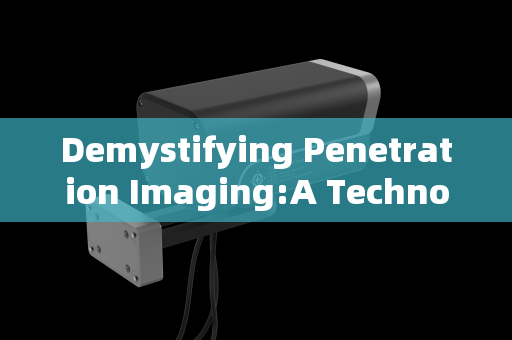
Penetration Imager Effect Images
At its core, a Penetration Imaging System is designed to defeat backscatter and overcome the limitations of ambient light. Traditional cameras and even standard night-vision devices are often blinded by glare on glass surfaces, reflections, or scattered light from obscurants like smoke, fog, or precipitation. Penetration systems neutralize these issues through a precise, time-sliced approach.
The system innovatively integrates a high-repetition-rate pulsed laser with a gated, intensified camera. The process is a masterpiece of synchronization:
- Pulsed Illumination: The system emits ultra-short, high-power nanosecond pulses of laser light towards the target area.
- Precision Gating: The heart of the system is the Gated Intensified Camera. It contains a Microchannel Plate (MCP) image intensifier, a high-voltage module, and precision timing circuitry (gate and synchronization modules). This camera acts as an ultra-fast shutter, with gating capabilities down to less than 3 nanoseconds and synchronization precision better than 10 picoseconds.
- Time-Sliced Acquisition: The camera's shutter is synchronized to open only for the precise moment when the laser pulses reflected from the desired distance slice return. By introducing a controlled time delay between the laser pulse and the camera gate, the system effectively "slices" the field of view into discrete depth segments.
- Rejection of Unwanted Light: Light reflected from the glass surface itself (the primary source of glare) returns first. The camera gate remains closed during this period. The gate opens only when light that has penetrated the glass, traveled to the target behind it, and returned is expected. This process meticulously rejects backscatter from the glass, smoke, fog, or other intermediate particles, resulting in a high-contrast image of the target scene behind the obstruction.
This range-gating technique provides exceptional range resolution, long imaging distance, powerful anti-interference capability, and effectively overcomes backscatter. It enables imaging in extreme low-light or no-light conditions and through various media, including vehicle windows, aircraft portholes, specialized glass, fire, smoke, rain, snow, fog, and haze.
System Composition & Capabilities
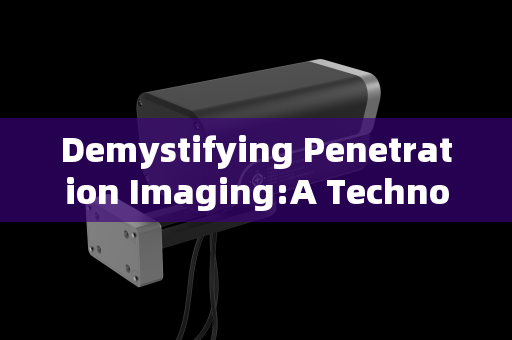
Penetration Imager Effect Images
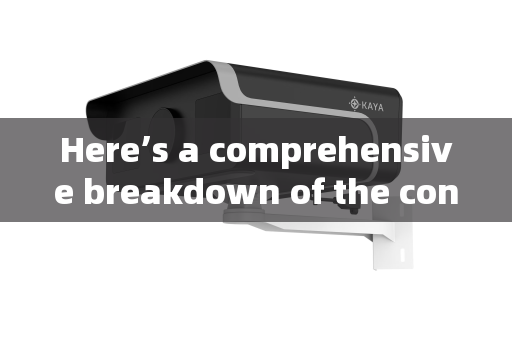
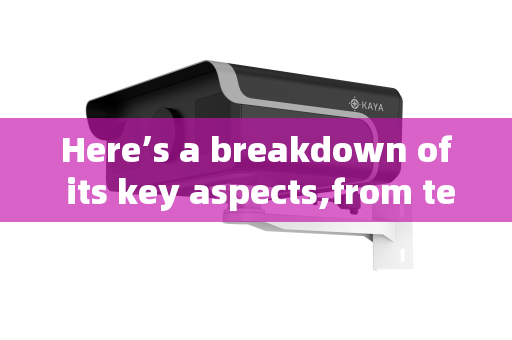
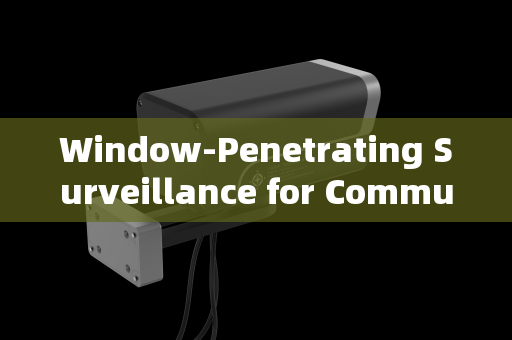
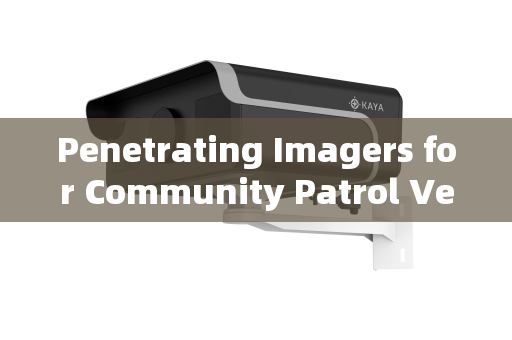
A typical system comprises a pulsed laser emitter, a beam expander, an imaging lens, and the critical Gated Intensified Camera. The camera's MCP intensifier provides an optical gain exceeding 10^6, making it possible to detect extremely faint signals. Furthermore, by stacking or scanning these time slices, the system can also construct high-precision 3D information of the target area, adding a critical layer of spatial intelligence.
Application Scenarios: From Rescue to Reconnaissance
The applications for this technology are vast and transformative across several key sectors:
-
Emergency Response & Firefighting: In urban firefighting and wildland fire suppression, these systems allow crews to see through intense smoke and flames to locate victims, identify structural integrity, and navigate hazards. They are invaluable for mine rescue, water rescue, and national USAR (Urban Search and Rescue) operations, enhancing efficiency and reducing casualties. They also serve high-level training needs in fire simulation training systems and for protecting critical infrastructure like landmark buildings and large complexes.
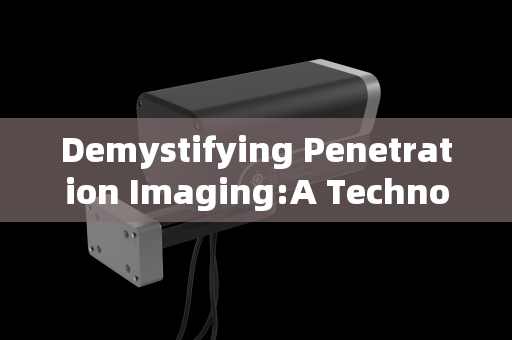
Penetration Imager Effect Images
-
Law Enforcement, Military, and Security: These systems provide a decisive edge in counter-terrorism, surveillance and evidence gathering, covert tracking, border and checkpoint security (combating smuggling, trafficking, and illegal immigration), mobile checkpoint operations (detecting vehicle overloading or concealed compartments), and tactical assault scenarios. They are pivotal for intelligence, surveillance, and reconnaissance (ISR) and are integral to the development of Smart Cities, Intelligent Security, and Next-Generation Policing initiatives.
-
Coastal and Border Defense: For maritime security and border patrol, penetration imaging systems enable long-distance imaging through fog and provide strong light suppression against glare from the water surface. This ensures the continuity of maritime interdiction operations, port and harbor security, naval missions, and coastal surveillance in adverse weather conditions, day or night.
-
Additional Frontier: Underwater Imaging. The same principles apply to underwater environments, allowing for enhanced vision through turbid water, opening applications in salvage, infrastructure inspection, and maritime security.
Conclusion
The penetration imaging system, powered by Laser Range-Gated Imaging, represents a paradigm shift in electro-optical surveillance and reconnaissance. By mastering the dimension of time at the nanosecond level, it effectively renders transparent the visual barriers that have long protected adversaries or concealed victims. Its ability to deliver clear, high-contrast imagery through glass curtain walls and other challenging media directly translates to enhanced situational awareness, improved operational safety, and greater mission success for personnel in emergency services, law enforcement, and defense roles worldwide. As threats evolve and architectural trends continue, this technology stands as a critical tool for seeing the unseen.