Penetration Imaging Systems: Revolutionizing Surveillance and Reconnaissance Through Advanced Gated Imaging Technology**
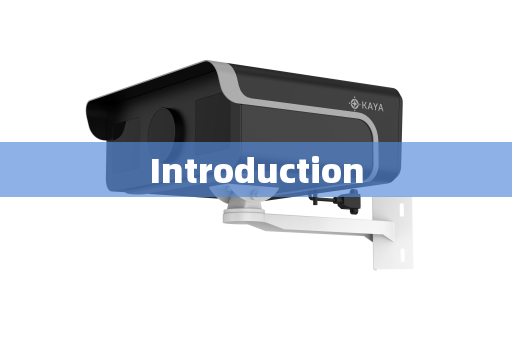
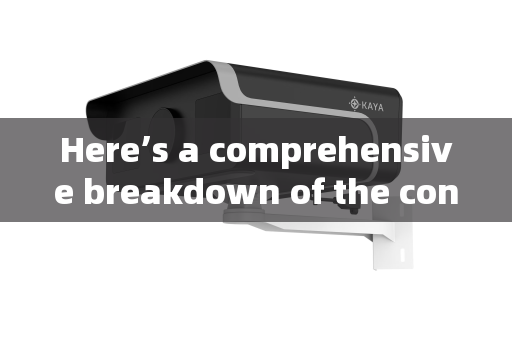
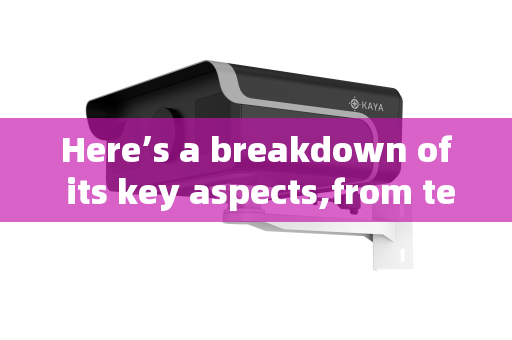
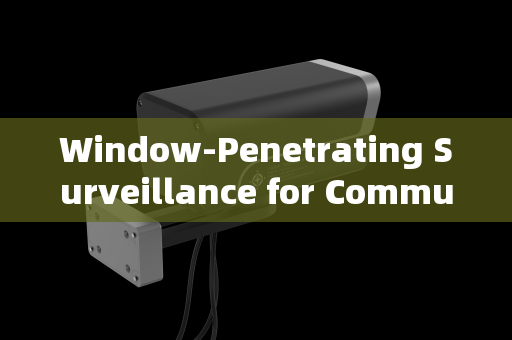
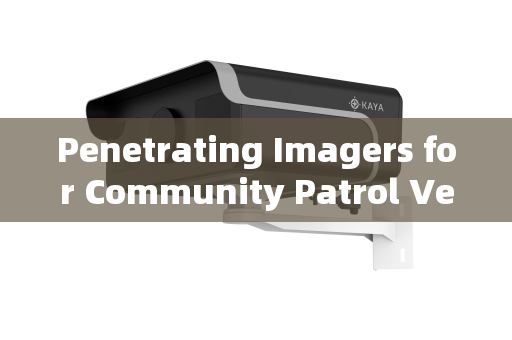
Penetration Imager Effect Images
In the demanding fields of emergency response, law enforcement, military operations, and maritime security, the ability to acquire clear visual intelligence in degraded or obstructed environments is paramount. Traditional imaging systems often fail under conditions of low light, atmospheric obscuration, or when targets are behind transparent barriers. This is where Penetration Imaging Systems emerge as a transformative technological solution. But what exactly is a penetration imaging system? At its core, it is an advanced electro-optical system designed to "see through" various obscurants and transparent media to detect, identify, and monitor targets with exceptional clarity and range.
Understanding the Technology: Laser Range-Gated Imaging
The operational principle of a modern penetration imaging system hinges on Laser Range-Gated Imaging (Gated Imaging) technology. This innovative approach masterfully combines a high-repetition-rate pulsed laser with a gated intensifier camera. The system operates by emitting ultra-short, high-power pulses of laser light toward the target scene. Crucially, the shutter of the gated intensifier camera is synchronized with nanosecond precision to open only for a brief moment when the laser pulse reflected from a specific "slice" of space returns.
By controlling the precise time delay between the laser pulse and the camera gate, the system effectively isolates light returning from a desired distance interval, while rejecting scattered light from particles (like fog, smoke, or water droplets) in the foreground. This process of "temporal slicing" and stacking builds a high-contrast image of the target, layer by layer. Key performance advantages include:
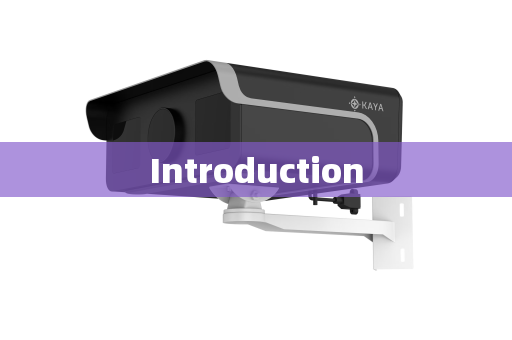
Penetration Imager Effect Images
- Extended Imaging Range: Ability to detect targets at significantly greater distances compared to passive systems.
- High Range Resolution: Precise discrimination of objects at different distances.
- Superior Backscatter Suppression: Effectively overcomes the blinding effect of light scattered by media close to the observer.
- Strong Anti-Interference Capability: Minimizes the impact of ambient light and other optical noise.
System Composition and Core Capabilities
A typical penetration imaging system comprises several key components:
- Pulsed Laser Illuminator: Provides high-power, short-duration laser pulses.
- Beam Expander: Shapes and directs the laser beam.
- Imaging Lens: Collects reflected light.
- Gated Intensifier Camera: The heart of the system. It integrates a Microchannel Plate (MCP) image intensifier, high-voltage modules, timing control circuits, and the gating module. This assembly enables extraordinary capabilities such as optical gain exceeding 10^6, an optical shutter speed faster than 3 nanoseconds, and timing synchronization precision better than 10 picoseconds. This allows not only for high-contrast 2D imaging but also for precise three-dimensional information acquisition of the target scene.
Application Scenarios
The unique capabilities of penetration imaging systems unlock critical applications across multiple high-stakes domains:
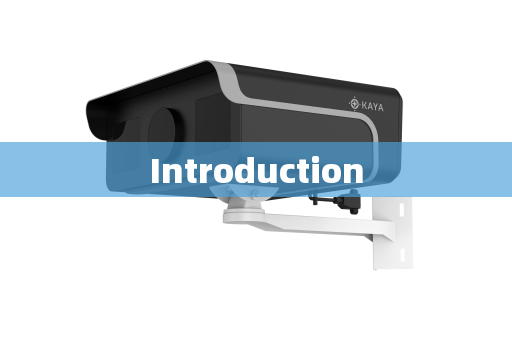
Penetration Imager Effect Images
Emergency & Rescue Services:
- Firefighting: Enhances situational awareness for urban and wildland firefighting. It allows responders to see through dense smoke, flames, and windows to locate victims, identify structural integrity, and navigate hazardous environments in fire simulation training facilities, high-rise buildings, and landmark structures, thereby improving rescue efficiency and reducing casualties.
- Search and Rescue (SAR): Vital for mine disaster response, water rescue operations, and national-level SAR missions. The ability to penetrate visual barriers directly supports life-saving reconnaissance.
Military, Law Enforcement & Security:
- Covert Surveillance & Reconnaissance: Enables clandestine tracking, evidence gathering, and intelligence collection by seeing through vehicle windows (including cars, high-speed rail, and aircraft), glass facades, and specialized transparent materials without detection.
- Counter-Terrorism & Force Protection: Supports counter-terrorism operations, anti-riot missions, and high-value asset protection. It aids in checkpoint security, anti-smuggling operations (drugs, goods), and armed assault scenarios by providing clear intelligence on concealed threats.
- Smart City & Policing: Integrates into smart security, smart policing, and smart city infrastructures for enhanced public safety, monitoring for violations like overloaded vehicles, and perimeter security.
Maritime & Border Security:
- All-Weather Maritime Operations: Ensures mission continuity for naval operations, vessel docking, and port security by providing long-range imaging capability through fog, haze, rain, and snow. Features like glare suppression are crucial for operations in cluttered light environments.
- Coastal & Border Surveillance: Maintains effective border patrol and perimeter monitoring under challenging weather conditions, extending the effective range of surveillance platforms.
- Underwater Imaging: The technology also facilitates underwater imaging applications, though specifics would depend on system configuration for aquatic environments.
Conclusion
The penetration imaging system represents a significant leap forward in active imaging technology. By harnessing sophisticated laser range-gated imaging, it solves perennial challenges in visibility and target acquisition across emergency services, defense, and security sectors. Its ability to deliver high-contrast, long-range imagery through smoke, fog, and transparent barriers—while operating in low or no-light conditions—makes it an indispensable tool for enhancing safety, operational effectiveness, and mission success. As the technology continues to evolve, its integration into broader security and reconnaissance networks promises to further redefine the boundaries of what is visible, making it a cornerstone of modern tactical and rescue optics.