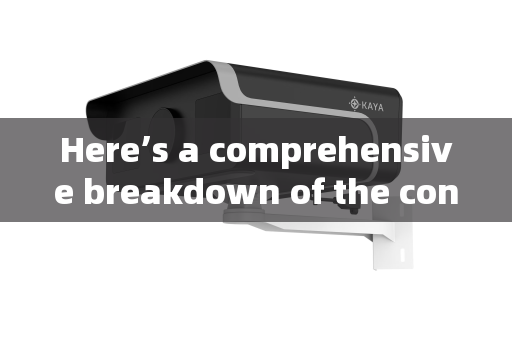
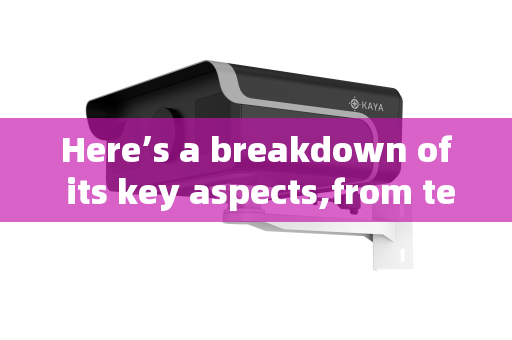
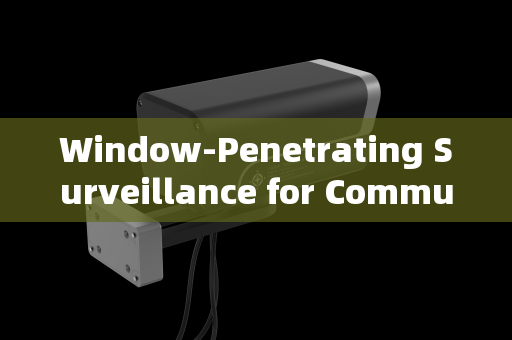
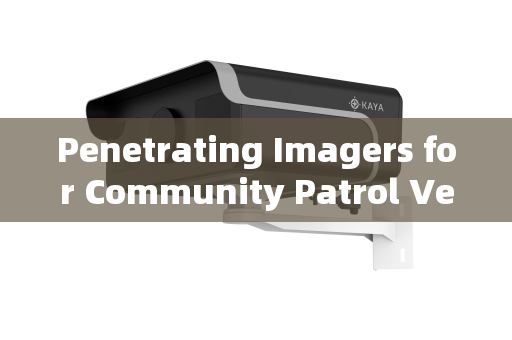
In the high-stakes domains of emergency response, law enforcement, military operations, and critical infrastructure security, the ability to acquire clear visual intelligence through obstructing mediums is not merely an advantage—it is a tactical imperative. One of the most common and challenging barriers is the vehicle window. Whether for rescuing trapped individuals in a smoke-filled car, conducting covert surveillance on a suspect's vehicle, or inspecting a secured diplomatic convoy, traditional optical systems fail against glare, reflections, and low visibility. This is where advanced Penetration Imaging Systems (PIS), leveraging Laser Range-Gated Imaging (LRGI) technology, provide a revolutionary solution, effectively achieving "X-ray vision" through glass and other media.
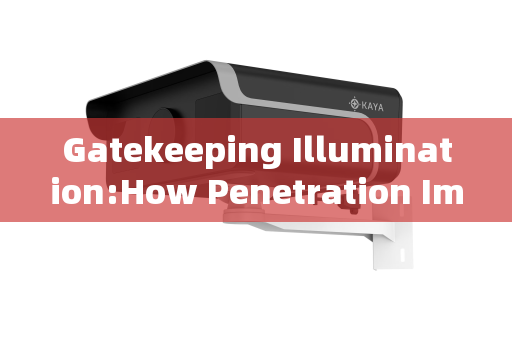
Penetration Imager Effect Images
The Core Challenge and Technical Principle
Conventional cameras and even thermal imagers struggle with glass. Glass reflects light, causing glare that obscures the interior. In darkness, there is insufficient light to illuminate the cabin. Backscatter from atmospheric particulates like fog, smoke, or rain further degrades image quality. Penetration Imaging Systems overcome these obstacles through a precise, time-sliced methodology known as Range-Gated Imaging.
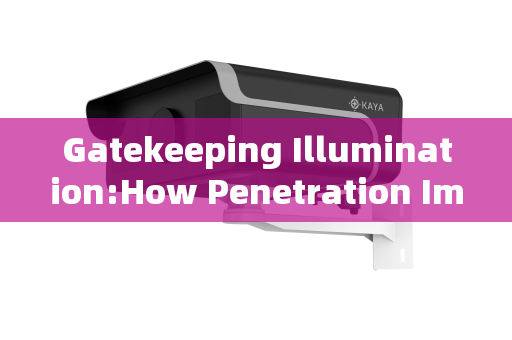
Penetration Imager Effect Images
The system's operation is a symphony of precision timing. It integrates a high-repetition-rate pulsed laser and a gated intensifier camera. The laser emits ultra-short, high-power pulses of light (in the nanosecond regime) towards the target area. Simultaneously, the camera's shutter remains closed. After a precisely calculated time delay—corresponding exactly to the time it takes for the laser pulse to travel to the target window, penetrate it, reflect off the interior objects, and return—the camera's ultrafast electronic shutter (the "gate") opens for an equally brief moment (e.g., less than 3ns). This process is synchronized with picosecond-level accuracy.
How It "Slices" Through the Window
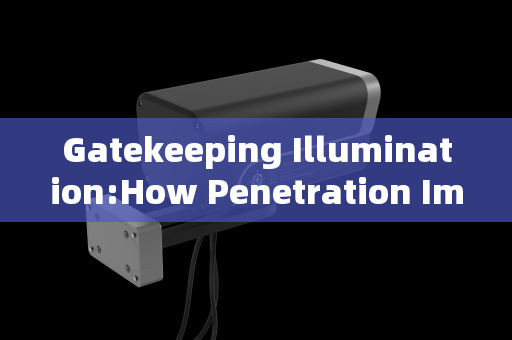
Penetration Imager Effect Images
This precise gating acts as a temporal filter. Only photons returning from the specific "slice" of space where the vehicle interior lies are collected. Photons reflected from the glass surface itself (the primary source of glare) arrive earlier and are excluded because the gate was still closed. Similarly, backscatter from fog or smoke between the observer and the vehicle is ignored, as it originates from closer distances and its photons arrive outside the narrow gate window. By progressively adjusting the time delay, the system can "stack" slices to build a high-contrast, clear 2D image or even derive detailed 3D depth information of the scene behind the glass. The key components enabling this include:
- Pulsed Laser Illuminator: Provides the controlled, high-intensity light pulses.
- Gated Intensifier Camera: The heart of the system. It incorporates a Microchannel Plate (MCP) image intensifier, achieving optical gain exceeding 10^6, coupled with high-voltage and precise timing/gating modules to enable the nanosecond shutter.
- Beam Expander & Imaging Lens: Condition the laser beam and collect returning light.
Application Scenarios: From Rescue to Reconnaissance
This technology translates into life-saving and mission-critical capabilities across multiple sectors:
- Emergency & Rescue Scenarios: For urban and wildland firefighting, penetrating smoke and window glare to locate victims trapped in vehicles or buildings. It is invaluable in road accident extrication, especially at night or in adverse weather. It also enhances training realism in fire simulation facilities.
- Law Enforcement & Military Operations: Provides a decisive advantage in covert surveillance and reconnaissance, allowing officers to assess vehicle interiors during high-risk traffic stops, counter-terrorism operations, or border checkpoints without alerting occupants. It aids in evidence collection, counter-smuggling operations (detecting hidden compartments), and tactical entry planning by verifying interior threats.
- Maritime & Border Security: Enables long-range identification and inspection through the windows (portholes/bridges) of vessels in challenging conditions—penetrating not just glass but also fog, mist, and sea spray—ensuring safe port operations and enhancing coastal defense.
- Security & Critical Infrastructure Protection: Facilitates the inspection of vehicles approaching or inside sensitive installations (embassies, government buildings, nuclear facilities) without requiring physical contact or intrusive searches.
Conclusion
Penetration Imaging Systems represent a paradigm shift in tactical imaging. By mastering the dimension of time through Laser Range-Gated Imaging, they effectively neutralize the obfuscating effects of glass, along with smoke, fog, and other obscurants. The ability to achieve high-contrast, long-range imaging through vehicle windows and similar barriers provides first responders, law enforcement agencies, and defense personnel with unparalleled situational awareness. This technology moves beyond merely seeing in the dark to seeing through the obstacle, fulfilling the critical need for informed decision-making in extreme conditions while enhancing operational safety and effectiveness. As the technology matures, its integration into smart city frameworks, advanced driver-assistance systems (for all-weather vision), and broader security networks promises an even more significant impact on public safety and national security.