Content:
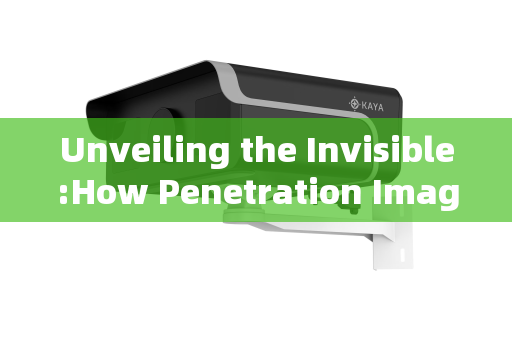
Penetration Imager Effect Images
In high-stakes environments where visibility is compromised by dense smoke, traditional optical and thermal imaging systems often fail, leaving first responders, military personnel, and security forces operating blind. This critical challenge is overcome by advanced Penetration Imaging Systems (PIS), which utilize cutting-edge technology to "see" through obscurants like smoke, fog, and haze. This article explores the operational principle, core technology, and diverse applications of these systems, focusing on their ability to achieve imaging through smoke.
The Core Challenge: Scattering in Obscured Environments Smoke, composed of numerous tiny particles, scatters light extensively. In conventional imaging, light from a source (ambient or active illumination) reflects off a target but is scattered by smoke particles both on the way to the target and back to the sensor. This creates a veil of "backscatter" that overwhelms the desired signal, drastically reducing contrast and rendering targets invisible. Penetration Imaging Systems are specifically engineered to defeat this backscatter.
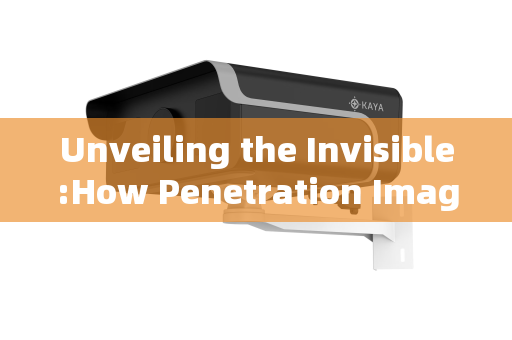
Penetration Imager Effect Images
The Technological Solution: Laser Range-Gated Imaging (LRGI) The breakthrough lies in Laser Range-Gated Imaging (LRGI), or gated imaging technology. A PIS innovatively combines a high-repetition-rate pulsed laser with a gated, intensified camera. The process is a sophisticated dance of precise timing and control:
- Pulsed Illumination: The system emits extremely short, high-power pulses of laser light (often in the nanosecond regime) towards the scene.
- Synchronized Gating: The core of the technology is the precise synchronization between the laser pulse and the camera's shutter. The camera's sensor (featuring an image intensifier) remains "closed" or inactive as the laser pulse travels outwards and during the initial period when backscatter from nearby smoke particles is strongest.
- Time-Sliced Detection: After a precisely calculated time delay corresponding to the distance to the desired imaging "slice" of the scene, the camera's shutter opens for an equally brief period (e.g., less than 3ns). It only collects light returning from that specific range zone—primarily the reflected laser light from the target itself. Light scattered from smoke particles closer to the system arrives at the camera either before or after the gate is open and is effectively rejected.
- Stacked Imaging: By rapidly repeating this process and incrementally adjusting the time delay, the system can "slice" and "stack" images of different range zones, building up a clear, high-contrast composite image of the entire scene while effectively suppressing the obscuring effects of smoke.
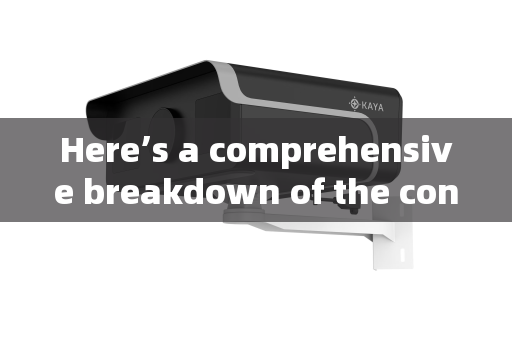
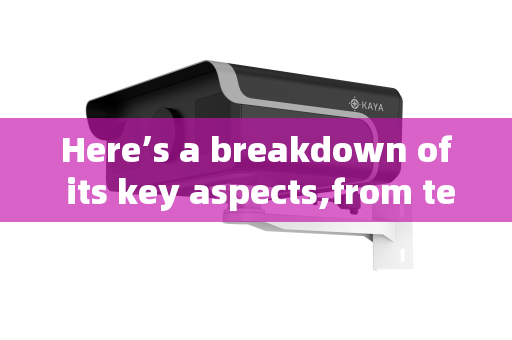
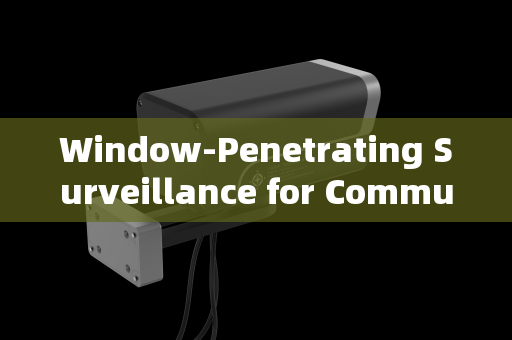
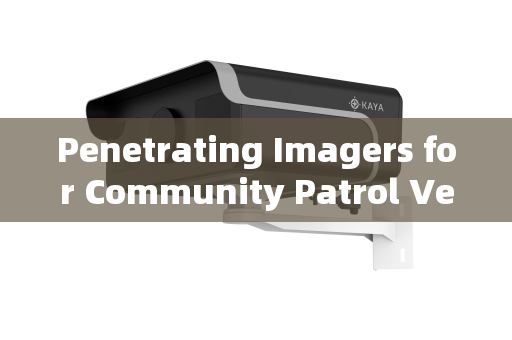
System Composition & Key Capabilities A typical PIS comprises a pulsed laser illuminator, a beam expander, an imaging lens, and the critical Gated Intensified Camera. This camera integrates a Microchannel Plate (MCP) image intensifier, delivering optical gains exceeding 10^6, synchronized with high-voltage, gating, and timing modules. The system achieves remarkable performance:
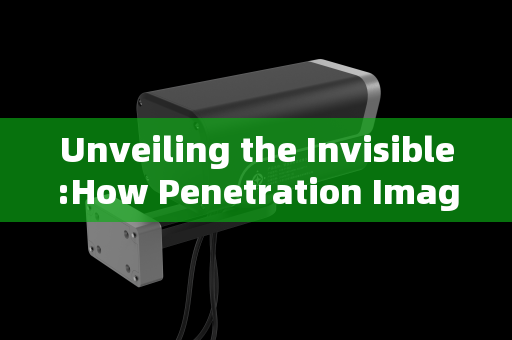
Penetration Imager Effect Images
- Long Imaging Range & High Range Resolution: Precise timing allows discrimination of objects at different distances.
- Superior Backscatter Suppression: The primary mechanism for seeing through smoke, fog, and other particulates.
- High Contrast in Low/Zero Light: Functions in complete darkness.
- Versatile Penetration Capability: Can also image through certain types of glass (vehicle windows, building facades) and other media like light rain, snow, and mist. Some systems are adapted for underwater imaging.
Application Scenarios
Emergency Response & Firefighting: In urban and wildland firefighting, PIS is a game-changer. It allows firefighters to navigate through zero-visibility, smoke-filled structures, locate casualties, identify the fire seat, and assess structural integrity from a safe distance. It is equally vital for mine rescue,水域救援 (water rescue), and national disaster response teams. Furthermore, it serves as a critical tool in live-fire training facilities and for protecting high-value infrastructure like landmarks and large complexes.
Law Enforcement, Military, & Security: For police and counter-terrorism units, PIS enables surveillance and threat assessment through smoke grenades, environmental haze, or windows. It supports covert surveillance, evidence collection, anti-smuggling operations, perimeter security, and tactical assaults in obscured conditions. It is instrumental in 智慧公安 (Smart Policing) and 智慧城市 (Smart City) security architectures for persistent, all-weather monitoring.
Maritime & Border Security: In coastal and border surveillance, these systems provide long-range penetration through fog and haze, ensuring continuous monitoring of maritime traffic, port security, and border activities despite adverse weather. The strong light suppression capability is crucial for dealing with sun glare or hostile lighting conditions during night operations.
Conclusion Penetration Imaging Systems, powered by Laser Range-Gated Imaging technology, represent a significant leap in situational awareness for critical operations. By mastering the dimension of time at the nanosecond level, they effectively strip away visual noise caused by smoke and other obscurants, revealing hidden threats, saving lives in rescue operations, and ensuring mission success across defense, security, and public safety domains. As the technology advances, its role in enhancing vision in visually degraded environments will only become more indispensable.