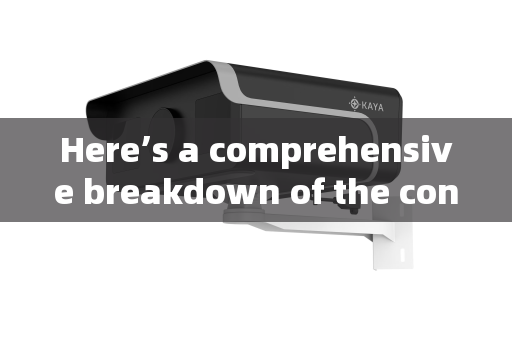
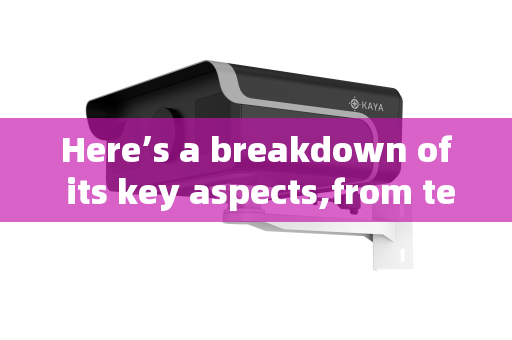
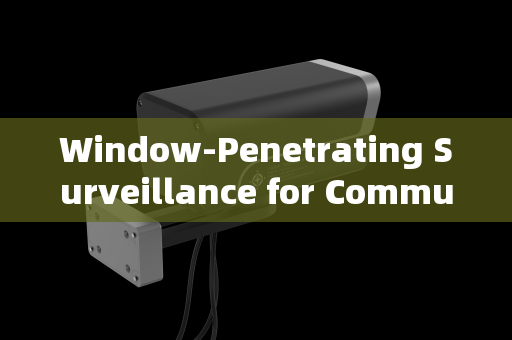
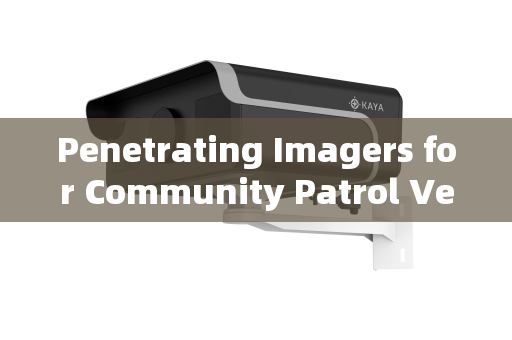
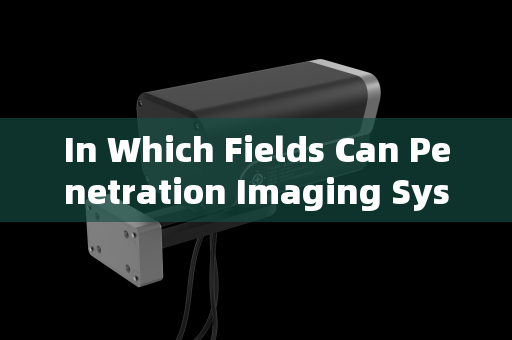
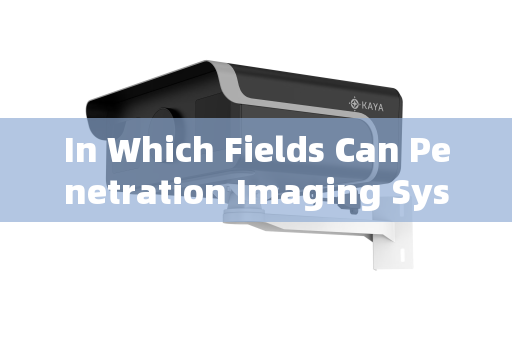
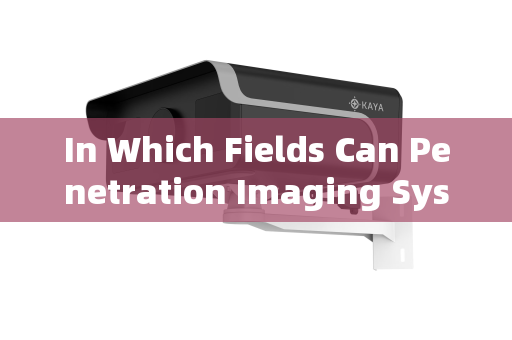
Penetration Imaging Systems (PIS), leveraging advanced Laser Range-Gated Imaging (LRGI) technology, represent a transformative leap in surveillance and reconnaissance capabilities. By innovatively integrating high-repetition-rate pulsed lasers with gated intensified cameras, these systems achieve precise temporal synchronization between nanosecond laser pulses and the camera's shutter. This enables slice-by-slice scanning of different distance segments, culminating in high-contrast, three-dimensional image reconstruction. Engineered to excel in extreme conditions, PIS offer unparalleled advantages: extended imaging range, high distance resolution, robust resistance to interference, and the critical ability to overcome backscatter from obscurants. Their core configuration typically includes a pulsed laser, a gated/intensified camera (often featuring a Microchannel Plate - MCP), beam expanders, and imaging lenses. The camera's internal MCP image intensifier, coupled with high-voltage, timing, and gating modules, facilitates optical gains exceeding 10^6, optical shutter speeds below 3ns, and timing synchronization precision better than 10ps.
Penetration Imager Effect Images
This technological prowess unlocks a vast array of applications across critical sectors, fundamentally enhancing operational capabilities in low-light, no-light, and恶劣 (harsh) environments by penetrating various media like vehicle windows, architectural glass, aircraft portholes, as well as smoke, fog, haze, rain, snow, and even flame.
Penetration Imager Effect Images
Emergency Response and Public Safety In emergency scenarios, every second counts. PIS are indispensable tools for:
Penetration Imager Effect Images
- Firefighting: For urban and wildland firefighting, these systems allow responders to "see through" dense smoke and flames, identifying victims, assessing structural integrity, and locating fire sources from a safe distance. This drastically improves fireground situational awareness, rescue efficiency, and firefighter safety.
- Search and Rescue (SAR): In collapsed structures (mine disasters, earthquakes), PIS can peer through dust and debris. In maritime or aquatic rescue operations, they offer enhanced capabilities for subsurface imaging, aiding in locating submerged objects or individuals.
- Training and Infrastructure Safety: High-fidelity真火 (live-fire) simulation training systems and the protection of critical infrastructure (landmark buildings, large complexes) benefit from PIS for advanced monitoring and hazard assessment during drills or actual incidents.
Military, Law Enforcement, and Homeland Security The unique attributes of PIS provide a significant tactical edge in defense and security operations:
- Surveillance and Reconnaissance: They enable covert, long-range observation through windows, tinted glass, or light foliage, supporting intelligence gathering, counter-terrorism operations, and suspect tracking without alerting targets.
- Force Protection and Tactical Operations: For counter-smuggling, anti-drug operations, counter-insurgency, and hostage rescue scenarios, PIS allow for preliminary interior assessment of buildings or vehicles (e.g., detecting超员 (overcrowding), concealed persons, or threats) prior to entry, enhancing officer safety and mission success.
- Border and Perimeter Security: They facilitate all-weather, day-and-night surveillance of borders, ports, and critical facilities, capable of penetrating atmospheric obscurants to detect illegal crossings or activities.
- Forensics and Evidence Collection: In crime scene investigation, especially in challenging environments, PIS can reveal details obscured by visual barriers.
Maritime and Coastal Defense Maritime operations are fraught with environmental challenges. PIS are crucial for:
- All-Weather Navigation and Surveillance: They provide robust透雾 (fog-penetrating) and strong-glare-suppression imaging, ensuring safe vessel navigation, harbor approach, and port security operations in poor visibility conditions like fog, mist, or darkness.
- Naval Warfare and Maritime Interdiction: Enhancing situational awareness for naval platforms during恶劣天气 (inclement weather) operations, supporting search, tracking, and interdiction tasks against surface and subsurface contacts where traditional optics fail.
- Coastal and Offshore Asset Protection: Safeguarding oil rigs, wind farms, and other critical offshore infrastructure through persistent, weather-resistant monitoring.
Emerging and Cross-Sector Applications The technology finds growing relevance in:
- Industrial Inspection: Allowing non-invasive inspection through certain casings or in fume-filled environments.
- Transportation Safety: Potential applications include inspecting aircraft or high-speed train (高铁) cabins and windows for maintenance or security checks.
- Smart City Ecosystems: Integrating with智慧安防 (smart security) and智慧公安 (smart policing) frameworks to provide a superior, all-condition imaging layer for urban security networks.
In conclusion, Penetration Imaging Systems transcend the limitations of conventional imaging. From saving lives in smoke-filled ruins to securing borders in dense fog and executing precise military operations, their ability to deliver clear intelligence through visual barriers and adverse conditions makes them a pivotal technology. Their application across emergency services, law enforcement, military, and maritime domains underscores their vital role in enhancing safety, security, and operational effectiveness on a global scale. As the technology matures, its integration into broader security and industrial frameworks promises even wider adoption and transformative impact.