The Critical Role of Penetration Imaging Systems in Enhancing Security Screening for Vehicles and Personnel at Airport Ports**
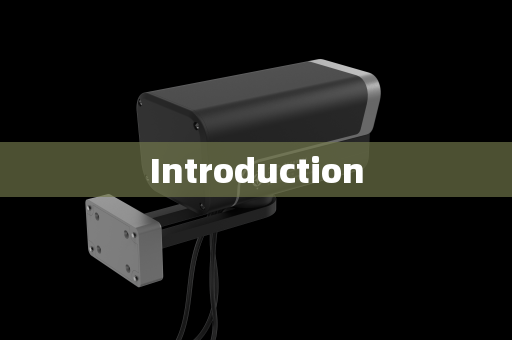
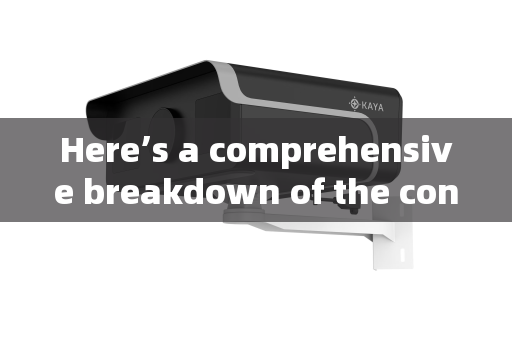
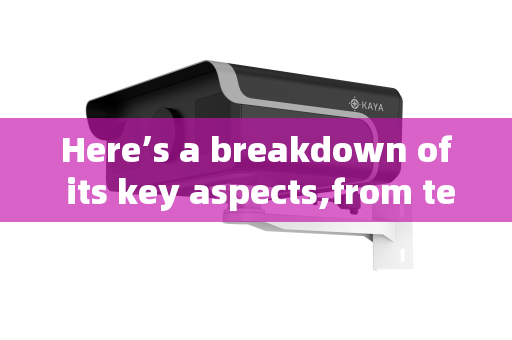
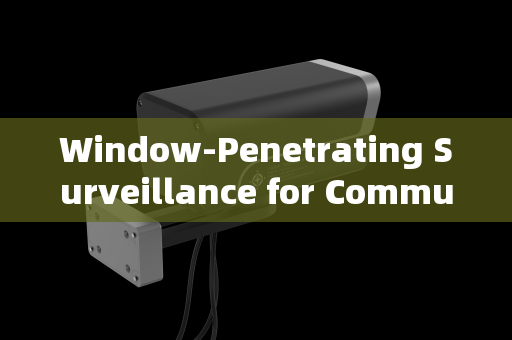
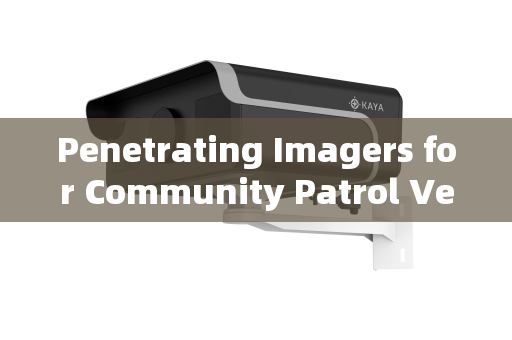
Penetration Imager Effect Images
Security at airport ports represents a complex, multi-layered challenge, demanding the highest levels of vigilance against evolving threats. Traditional screening methods for vehicles and personnel, while foundational, often face limitations in extreme conditions or when confronted with concealed compartments and obscured visual fields. The penetration imaging system, leveraging groundbreaking Laser Range-Gated Imaging (LRG) technology, has emerged as a transformative tool. It directly addresses these vulnerabilities, providing security forces with unparalleled detection and reconnaissance capabilities to safeguard critical transportation hubs.
Understanding Penetration Imaging Technology
A penetration imaging system is not a conventional camera. It is an advanced electro-optical system designed to "see through" visual obstructions that typically defeat standard imaging. Its core innovation lies in the precise synchronization of a high-repetition-rate pulsed laser and a gated, intensified camera.
Here’s how it works: The system emits powerful, ultrashort (nanosecond) pulses of laser light. A specially designed Gated Intensified Camera, the heart of the system, remains "closed" or off for a predetermined period. This camera incorporates a Microchannel Plate (MCP) image intensifier, a high-voltage module, and precision timing circuitry, achieving an optical gain of over 10^6 and a gating speed faster than 3 nanoseconds. By minutely controlling the delay between the laser pulse and the camera's "open" or gating time (with precision better than 10 picoseconds), the system captures light reflected only from a specific, narrow "slice" of space at a desired distance.
This "time-slicing" or range-gating process is repeated and stacked to build a clear image. It effectively eliminates backscatter from obscurants like fog, smoke, rain, or dust located between the camera and the target slice. Consequently, the system delivers high-contrast, long-range imaging with exceptional distance resolution. Its most notable capability is the passive penetration of various glass types—car windows, laminated security glass, aircraft portholes, and building facades—without alerting subjects inside, enabling covert surveillance and inspection.
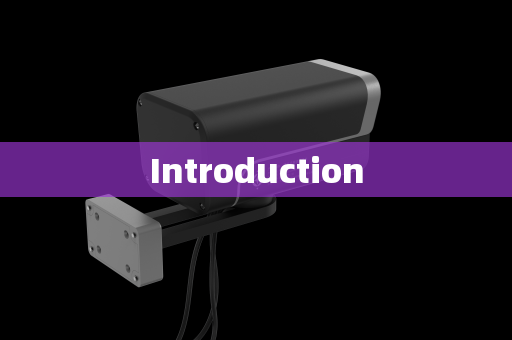
Penetration Imager Effect Images
Core Components and Capabilities
The system's architecture typically includes:
- Pulsed Laser Illuminator: Provides high-frequency, structured light pulses.
- Beam Expander: Shapes and directs the laser beam.
- Imaging Lens & Gated Intensified Camera Assembly: Captures the returning light with extreme sensitivity and temporal precision. This assembly, with its MCP intensifier and nanosecond gating, is key to defeating backscatter and achieving penetration.
This configuration grants the system unique attributes critical for security operations: extreme low-light/no-light performance, immunity to weather degradation, long operational range, and the signature ability to penetrate transparent barriers and multiple obscurants.
Application in Airport Port Vehicle and Personnel Security
At airport perimeters, cargo bays, vehicle checkpoints, and terminal approaches, penetration imaging systems play several pivotal roles:
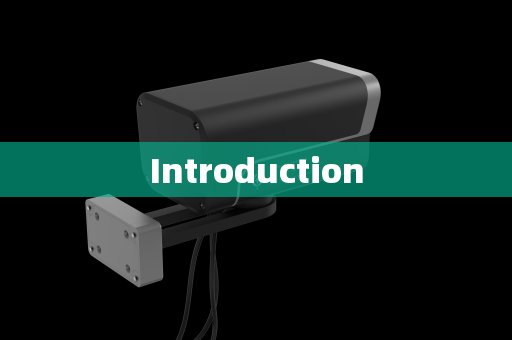
Penetration Imager Effect Images
-
Covert Vehicle Inspection: Security personnel can scan vehicles approaching sensitive areas or parked in suspect locations from a safe standoff distance. The system can passively "look through" tinted windows, windshields, and even certain vehicle body panels to identify hidden occupants, weapons, illicit materials, or unusual modifications within the cabin or trunk without ever approaching the vehicle. This is invaluable for counter-terrorism, anti-smuggling (narco-terrorism), and VIP convoy security.
-
Personnel Screening and Surveillance: In crowded ingress/egress points or around isolated infrastructure, the system can monitor individuals' activities through terminal windows or glass walls. It can help distinguish between normal behavior and potential threat indicators (e.g., concealed objects, suspicious gatherings) in near-total darkness or challenging light conditions, aiding in pre-emptive threat detection and forensic evidence collection.
-
Cargo and Hold Inspection: While primary screening uses X-ray, penetration imaging serves as a complementary tool for external inspection of cargo containers or the underbellies of aircraft/ground support equipment. It can detect anomalies, signs of tampering, or heat signatures through smoke or light fog, adding a layer of scrutiny.
-
Emergency Response and Crisis Management: In the event of a fire, HAZMAT incident, or active threat within a terminal or parked aircraft, these systems allow rescue and SWAT teams to conduct reconnaissance through smoke-filled corridors or obscured windows. They can locate casualties, identify the source of a fire, or pinpoint a threat's position without exposing personnel, directly enhancing firefighting efficiency and tactical operational safety.
-
Perimeter and Runway Security: For long-range perimeter monitoring under cover of darkness or in adverse weather (fog, mist), the system's ability to suppress backscatter provides clear imagery of intrusion attempts, unauthorized approach of personnel or drones, or suspicious activities on distant runways or aprons, ensuring continuous maritime/airport border security.
Broader Context and Future Trajectory
The utility of penetration imaging extends far beyond the airport fence. As noted, it is a dual-use technology vital for:
- Emergency Services: Urban and wildland firefighting, mine/disaster rescue, and waterborne search and rescue (SAR) operations.
- Law Enforcement & Military: Surveillance, evidence gathering, counter-assault operations, and maritime interdiction.
- Critical Infrastructure Protection: Security for smart cities, government buildings, and high-value landmarks.
In conclusion, at airport ports—the frontline of global transportation security—penetration imaging systems play an indispensable and evolving role. They move security screening from reactive, contact-based checks to proactive, long-range, and intelligent surveillance. By enabling personnel to "see the unseen" through barriers and in impossible conditions, this technology dramatically strengthens the capabilities of security agencies, creating a more robust, resilient, and formidable deterrent against threats to aviation and public safety. Its integration into the smart security apparatus of modern airports is not just an advantage but a necessity for future-ready homeland security protocols.